
As parents, one of the hardest things about caring for a baby is that they can’t tell us what they’re feeling.
Babies cannot say, “Mummy, I feel uncomfortable.” They cannot explain that their chest feels tight, that feeding feels tiring, or that every breath feels a little harder than usual.
Instead, babies show us in the only ways they can. A change in their breathing. A feed that suddenly takes longer. A night of sleep that feels more unsettled than usual. A cough that sounds different from the day before.
For parents, these small changes can be worrying because we are often left wondering, “Is this normal, or is something wrong?”
This becomes even more important when a respiratory virus is involved, especially during a baby’s first year of life.
Respiratory Syncytial Virus, or RSV, is one virus that many families may encounter early on.
At first, it can look very much like a common cold. However, in babies under one, RSV can sometimes affect them differently because their bodies are still growing, learning, and adapting to the world around them.
That is why knowing what RSV is, how it may affect babies, and when to seek medical attention can help parents feel more prepared.


In an episode of AskMeDoctor! by Motherhood.com.my, we spoke with Dr Su Siew Choo, Consultant Paediatrician and Paediatric Respiratory Physician, Pantai Hospital Kuala Lumpur, to understand why RSV can become serious so quickly in infants under one and what parents should watch out for.
Q1: How Does a Baby’s Developing Immune System Affect the Way They Respond to RSV?


Dr Su Siew Choo: Infants under one are still building their immune systems, so their bodies don’t respond to fight infections as quickly or as effectively as older children’s do.
It takes them longer to recognise a virus like RSV and mount an effective defence against it.
What might seem like a mild cold in an older child can feel very different for a baby.
This means infections like RSV can progress faster and become more serious in young infants, which is why extra protection and early prevention are especially important in this age group.
Q2: How Do a Baby’s Small Airways Affect the Way RSV Impacts Their Breathing?
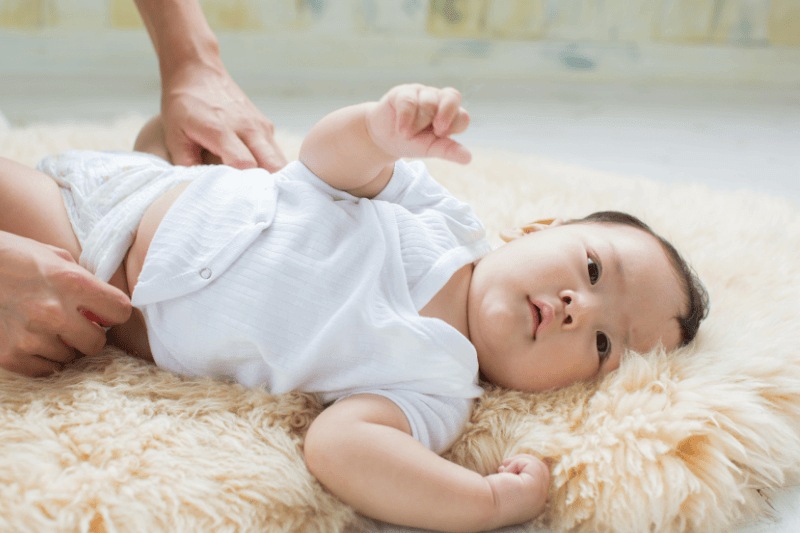
Dr Su Siew Choo: When it comes to RSV in babies, one important thing for parents to understand is just how small and delicate a baby’s airways are.
In some areas, they can be no bigger than the tip of a pencil.
Even before they get sick, their breathing passages are much narrower than those of older children or adults. So when RSV causes swelling or mucus, even if it starts off mild, it can quickly make breathing more difficult.
For parents, this can show up as faster breathing, wheezing, or a baby struggling to feed or sleep comfortably.
It can be quite frightening to watch, especially when it seems to escalate quickly.
This is also why RSV is a leading cause of bronchiolitis and pneumonia in babies under one year old. Their lungs are still developing, and infections can affect them more severely and more suddenly.
That’s why it’s so important for parents to trust their instincts and seek advice early, even if symptoms don’t seem severe at first.
Just as importantly, it highlights why prevention plays such a key role. Protecting babies early can help reduce the risk of serious breathing problems and give parents greater peace of mind.
Q3: Are Healthy, Full-Term Babies Also at Risk of RSV?
Dr Su Siew Choo: Many parents are surprised to hear this, but RSV doesn’t only affect babies who are premature or have underlying health conditions.
In fact, most RSV hospitalisations actually occur in otherwise healthy babies.
So while not every baby will get severely ill, all babies, especially those under one year old, can be at risk.
RSV spreads very easily through close contact.
Infants can be exposed in places like confinement centres, daycare centres, or simply at home through parents, grandparents, siblings, or even well-meaning visitors.
A simple cough, a kiss, or unwashed hands can pass the virus along.
The good news is that parents now have preventive options.
One approach is maternal vaccination during pregnancy, which helps pass protective antibodies from mother to baby before birth.
Another option is infant immunisation with monoclonal antibodies, which gives babies ready-made protection directly from birth rather than waiting for the babies’ immune systems to build their own antibodies.
This is especially useful for very young infants who haven’t yet built their own defences against RSV.
Understanding that RSV can affect any baby helps parents make informed choices about prevention and take steps to better protect their little ones from early on.
Q4: Why Is the First Year of Life Such a Critical Period for RSV?
Dr Su Siew Choo: The first year of life is a critical time for babies because their immune systems are still developing, which means they can’t fight off infections as effectively as older children.
At the same time, this is also the age when babies are being introduced to lots of new environments and people, whether it’s daycare, playgroups, or visits from family and friends.
Every new interaction is a potential exposure to viruses like RSV.
In fact, studies show that about two out of three babies will catch RSV before their first birthday.
While many infections may be mild, babies under one, especially those under six months, are at higher risk of developing more serious complications like bronchiolitis or pneumonia.
That’s why parents need to be extra vigilant, practise good hygiene, and consider preventive options to help protect their little ones during this vulnerable period.
Q5: How Can Parents Use This Knowledge to Better Protect Their Babies?
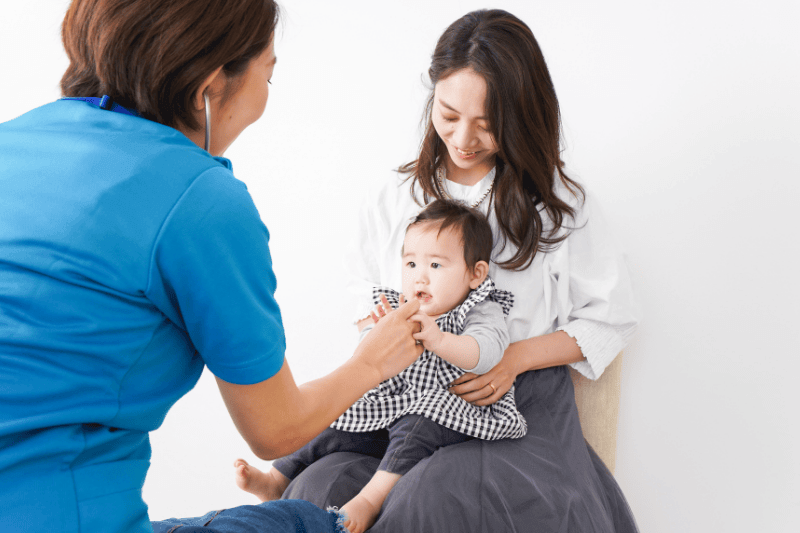
Dr Su Siew Choo: When parents understand how RSV spreads – through coughs, sneezes, or even touching contaminated surfaces – it becomes easier to take simple but effective steps to reduce exposure.
This can include good hygiene habits like washing hands thoroughly with soap, wearing a mask if unwell, limiting the number of visitors, or avoiding crowded places, especially when a baby is very young.
Being aware of these risks also encourages parents to have early conversations with their paediatrician about preventive options.
By acting early, parents can reduce the risk of serious illness and have greater peace of mind, rather than waiting until symptoms worsen.
Knowledge is a very good form of protection when it comes to RSV.
What to Keep In Mind As A Parent
RSV isn’t always severe, but in babies under one, their developing immune systems and very small airways mean infections can change quickly, even in babies who are otherwise healthy.
Staying informed on what to look out for, trusting your instincts, and listening to trusted medical advice all play an important role.
Last but not least, good hygiene can help reduce exposure, and understanding available preventive options allows parents to make informed choices early, when protection matters most.
Protect your newborn against RSV. Speak to your paediatrician about immunisation with monoclonal antibodies. Visit TogetherAgainstRSV.my to learn more.
MAT-MY-2600127-1.0-04/2026
Disclaimer: The information provided in this article is for informational purposes only and should not be considered as medical advice from Motherhood. For any health-related concerns, it is advisable to consult with a qualified healthcare professional or medical practitioner.
For more insightful stories and fun recipes, stay tuned to Motherhood Story!