



After giving birth, most mothers naturally put their newborn’s needs first. Between recovering from delivery, feeding the baby and adjusting to a new routine, it can be easy to put personal health checks on hold.
However, looking after your own health should remain part of postpartum care. Cervical screening, in particular, is an important aspect of preventive health that mothers should not overlook, even when they feel perfectly healthy.
In this episode of AskMeDoctor!, Prof. Dr Mohamad Nasir Shafiee, Consultant Obstetrician, Gynaecologist & Gynaecology Oncologist at UKM Specialist Centre (UKMSC), explains why cervical screening matters after childbirth, when mothers should consider having their next screening, and what to expect during the procedure.


He also addresses common concerns surrounding abnormal screening results, HPV testing and vaccination, highlighting why prevention and regular health checks remain important for women.
Why Mothers Should Look After Their Health After Childbirth
After nine months of pregnancy and the demands of childbirth, many mothers may feel exhausted and naturally focus most of their attention on their newborn.
However, according to Prof. Dr Shafiee, a mother’s health should not be overlooked during this period.
He explains that pregnancy and childbirth often help establish a close relationship between women and their healthcare professionals, particularly their obstetricians. This existing relationship can make it easier for mothers to discuss health concerns, seek advice and follow medical recommendations after delivery.
The postpartum period also presents an opportunity to check on the mother’s overall health and address any concerns that may have arisen during pregnancy or childbirth.
As Prof. Dr Shafiee emphasises, a healthy mother contributes to a healthy family. Looking after your own wellbeing is therefore important not only during recovery but also for your long-term health.
When Should You Have Cervical Screening After Giving Birth?
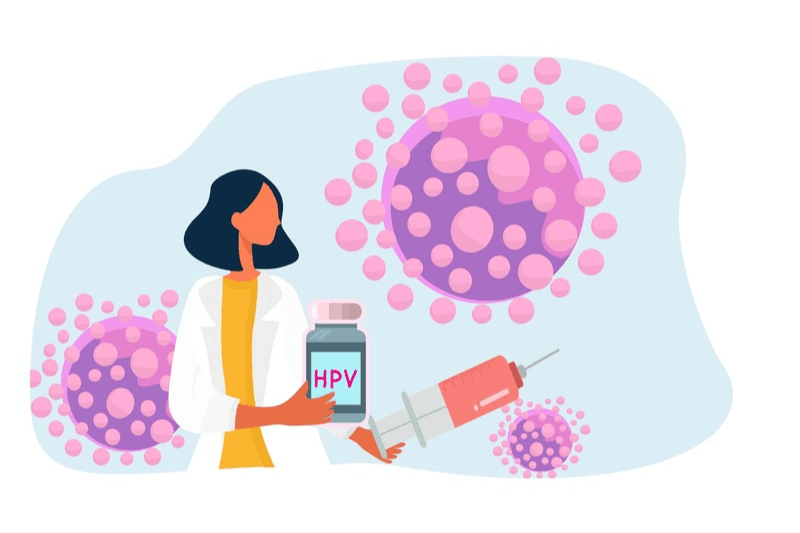

One common question mothers may have is how soon they can resume cervical screening after delivery.
Prof. Dr Shafiee explains that the timing is important because the cervix needs time to recover following childbirth.
He recommends waiting at least six to twelve weeks after delivery before undergoing cervical screening, particularly if a woman is due for her test.
Importantly, this recommendation does not depend on whether the baby was delivered vaginally or through a caesarean section. What matters is allowing sufficient time for the cervix to recover.
Having the screening too early may affect the results because the cervix could still be healing, with changes such as tearing potentially influencing the findings.
However, whether a woman needs screening also depends on her previous screening history and whether she is due for another test.
Prof. Dr Shafiee explains that routine screening intervals may be around three years, depending on the recommendations being followed. For women who undergo HPV testing and receive a negative result, he also mentions that the next test may be scheduled five years later.
Mothers should therefore discuss their screening history and appropriate timing with their healthcare professionals.
Why Cervical Screening Matters Even When You Feel Healthy
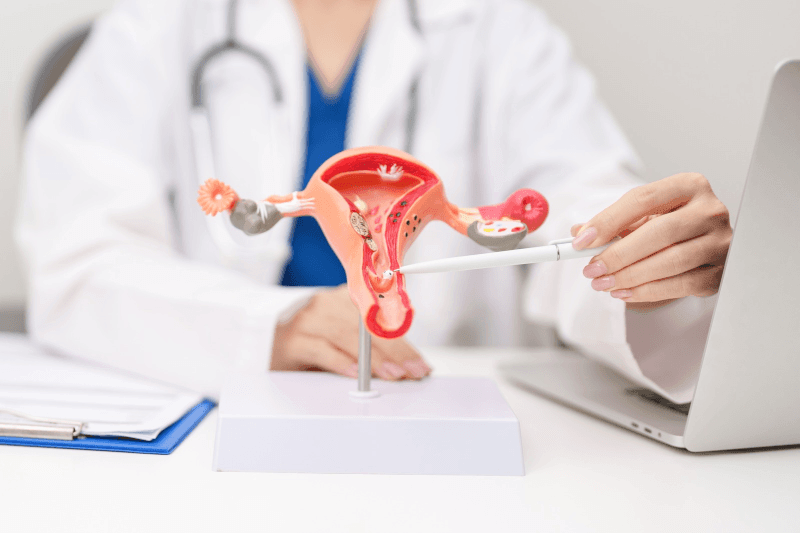
Some women may assume that cervical screening is only necessary when they experience unusual symptoms. However, Prof. Dr Shafiee highlights that this goes against the purpose of screening.
By definition, screening is carried out when a person does not have symptoms, with the aim of identifying early changes before they develop into a bigger problem.
He explains that symptoms such as abnormal bleeding, heavy menstrual bleeding or bleeding after sexual intercourse may occur when the disease is already present.
Rather than waiting until these symptoms appear, screening aims to identify early cervical changes so that appropriate follow-up can take place.
This is why women should not wait until they feel unwell before considering cervical screening.
Prof. Dr Shafiee also highlights the World Health Organization’s goal of eliminating cervical cancer by 2030, supported by three key targets:
- 90% vaccination: Vaccinate 90% of girls before they reach the age of 15.
- 70% screening: Screen 70% of women using HPV DNA testing.
- 90% treatment: Ensure 90% of women identified with cervical lesions receive treatment.
These targets highlight the importance of combining vaccination, screening and treatment in cervical cancer prevention.
What Happens During a Cervical Screening Appointment?
For women who have never undergone cervical screening, the thought of the procedure may feel intimidating.
However, Prof. Dr Shafiee describes it as a straightforward procedure that typically takes less than five minutes.
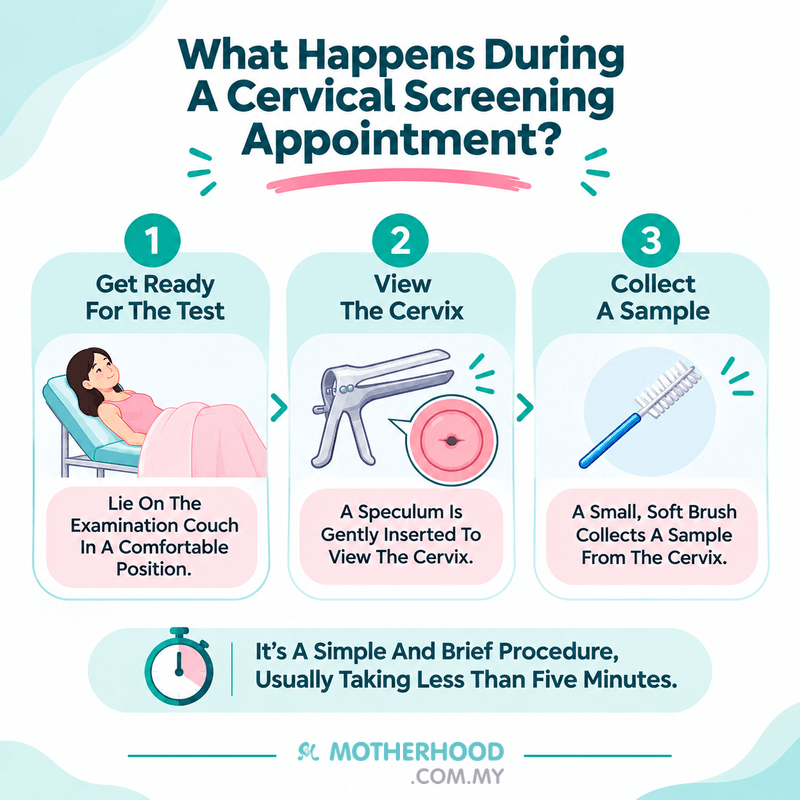
During a clinician-performed screening, the patient lies on an examination couch while a healthcare professional uses a speculum to view the cervix.
A small brush, known as a cytobrush, is then used to collect a sample from around the cervix.
Prof. Dr Shafiee explains that inserting the speculum may create some pressure, but the procedure should not be painful. The sample collection itself takes only a short time.
The sample can then be used for different types of screening, depending on the test being performed.
HPV DNA Testing and Cervical Cytology: What’s the Difference?
Prof. Dr Shafiee explains that two approaches discussed during the session are HPV DNA testing and cervical cytology.
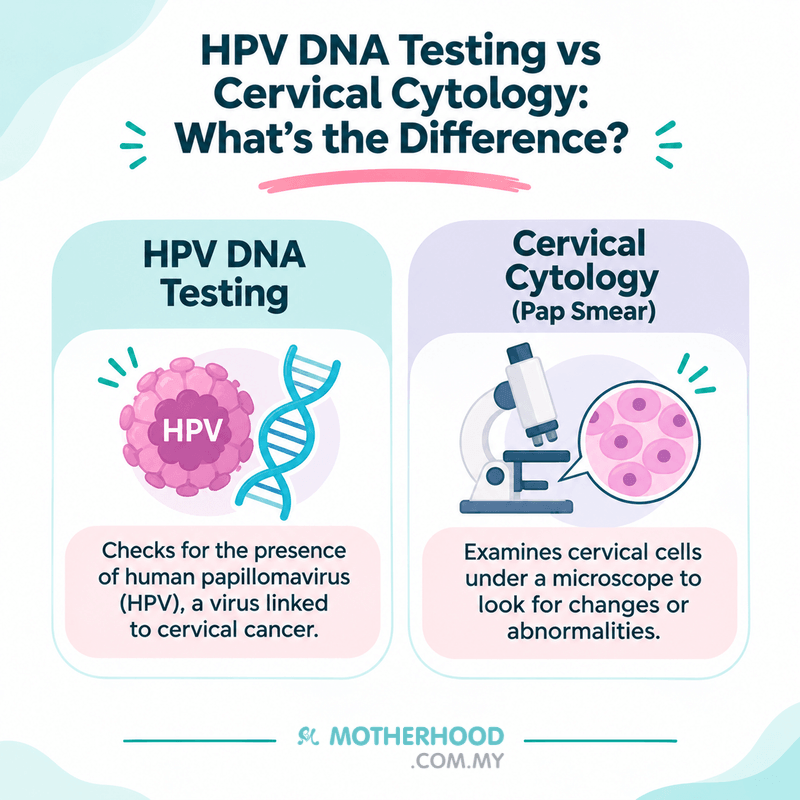
Although both involve collecting a sample from the cervix, they look for different things.
- HPV DNA testing: Checks for the presence of human papillomavirus (HPV), which Prof. Dr Shafiee identifies as a virus associated with cervical cancer.
- Cervical cytology: Examines cervical cells for changes or abnormalities by looking at the collected sample under a microscope.
Depending on the screening approach, the sample may be sent for cytology, HPV DNA testing or both.
Is Self-Sampling Available in Malaysia?
Prof. Dr Shafiee also discusses self-sampling initiatives introduced by the Ministry of Health Malaysia.
Under this approach, women are trained to collect their own samples at clinic facilities before handing them to healthcare professionals for HPV DNA testing.
He explains that this approach began as a pilot project and had been running for approximately five years at the time of the discussion.
This provides another approach to HPV testing alongside sample collection performed by a doctor or trained nurse.
Worried or Embarrassed About Cervical Screening? Here’s What the Doctor Says
Feeling shy, embarrassed or nervous about an intimate health examination can make some women hesitant to attend cervical screening.
Prof. Dr Shafiee acknowledges these concerns but reassures women that the procedure is routine, brief and performed professionally by trained healthcare professionals.
He also shares how he sometimes reassures patients who have given birth by reminding them that they have already delivered a baby. In comparison, he describes cervical screening as a much simpler procedure.
His message is that women should not let embarrassment or uncertainty prevent them from looking after their cervical health.
Understanding what happens during the appointment can also help women feel more prepared and comfortable when going for screening.
Does an Abnormal Cervical Screening Result Mean Cancer?
Receiving an abnormal screening result can understandably be worrying. However, Prof. Dr Shafiee stresses that an abnormal result does not automatically mean a woman has cervical cancer.
The next step depends on what the screening report shows.
For example, if an HPV test does not detect high-risk HPV, the result is reassuring. Prof. Dr Shafiee explains that women who receive a negative HPV test may have their next screening scheduled five years later.
However, if high-risk HPV is detected, further assessment may be recommended. This does not mean cancer is already present.
One possible next step is a procedure called colposcopy.
What Is a Colposcopy?
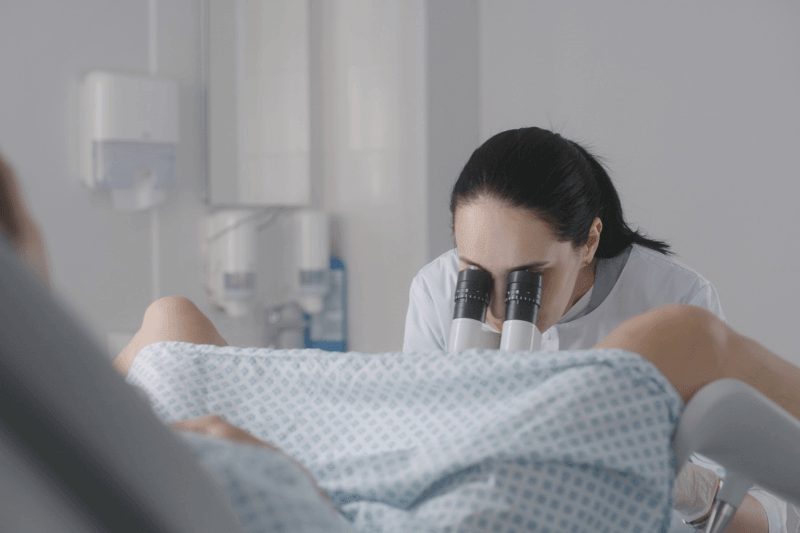
A colposcopy allows healthcare professionals to examine the cervix more closely using a magnifying instrument.
During the procedure, a solution such as acetic acid may be applied to highlight areas that appear abnormal.
If an area requires further investigation, a small tissue sample may be taken and sent to a laboratory for assessment.
The findings will help determine whether further monitoring or treatment is needed.
What Happens If Cervical Changes Are Found?
Prof. Dr Shafiee explains that the recommended follow-up depends on the severity of the cervical changes.
For mild or low-grade changes, healthcare professionals may recommend monitoring and repeating the test after a period of time, such as four or six months.
However, if a high-grade lesion is identified, particularly alongside high-risk HPV types such as HPV 16 or 18, further treatment may be recommended.
One approach involves removing a small, superficial area of the cervix where the abnormal tissue is found. The removed tissue is then sent to a laboratory for examination.
Prof. Dr Shafiee uses the example of cutting away a blackened spot from a mango to explain the basic idea: removing the affected portion while preserving the remaining healthy part.
The important takeaway is that an abnormal screening result requires appropriate follow-up, but it should not immediately be interpreted as a cancer diagnosis.
Should Women Consider HPV Vaccination After Childbirth?
HPV vaccination is another important aspect of cervical cancer prevention discussed by Prof. Dr Shafiee.
He highlights that Malaysia’s HPV vaccination programme began in 2010, meaning some women who are now in their thirties and forties may have missed the opportunity to receive the vaccine when they were younger.
While vaccination helps protect younger generations, women who were not covered by earlier vaccination programmes should also be encouraged to consider their cervical health.
Prof. Dr. Shafiee explains that HPV vaccination may also be considered by adults, although the level of protection may differ compared with vaccination at a younger age.
He encourages women to consider both screening and vaccination as part of looking after their long-term health.
He also notes that although cervical cancer rates in Malaysia have decreased compared with when he was undergoing training ten years ago, cases have not reached zero.
This reinforces why continued attention to prevention remains important.
A Mother’s Health Matters Beyond Childbirth
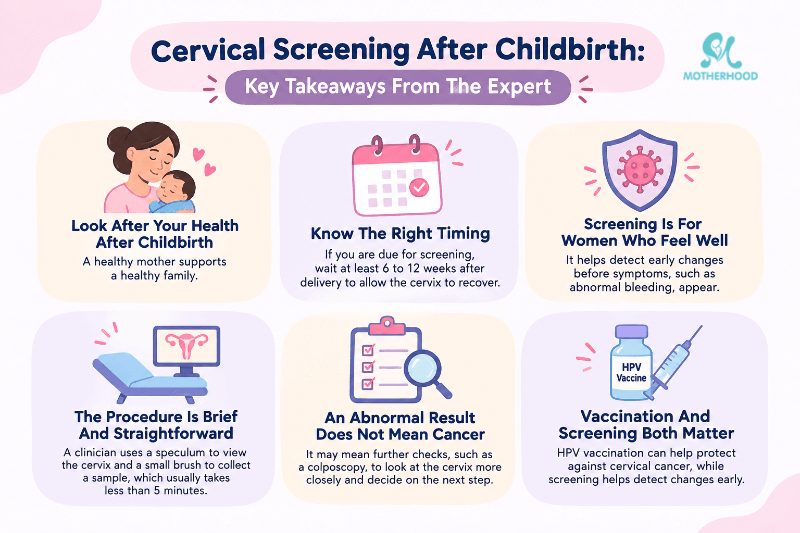
Motherhood often comes with a long list of responsibilities, and personal health checks can easily take a back seat.
However, as Prof. Dr. Mohamad Nasir Shafiee highlights, looking after a mother’s health should remain a priority long after childbirth.
For mothers who are due for cervical screening, it is important to discuss the appropriate timing with their healthcare professionals, allowing sufficient time for recovery after delivery.
Screening is also important even when there are no symptoms, as its purpose is to identify early cervical changes. And if a result is abnormal, further assessment can help determine whether monitoring or treatment is necessary.
Alongside screening, HPV vaccination remains an important part of the prevention efforts discussed by Prof. Dr. Shafiee.
Ultimately, caring for your little one should not mean putting your own health on hold. Making time for preventive care is another way of looking after yourself and your family.
Frequently Asked Questions (FAQs)
1. How Long Should I Wait Before Having Cervical Screening After Giving Birth?
Prof. Dr Shafiee recommends waiting at least six to twelve weeks after delivery to allow the cervix time to recover. The timing does not depend on whether you had a vaginal delivery or caesarean section.
2. Do I Need Cervical Screening If I Do Not Have Any Symptoms?
Yes. Cervical screening is intended to identify early changes before symptoms develop. Prof. Dr Shafiee explains that women should not wait until they experience symptoms before going for screening.
3. Does Cervical Screening Hurt?
Prof. Dr Shafiee describes the procedure as brief and straightforward, typically taking less than five minutes. Inserting the speculum may create some pressure, but he explains that it should not be painful.
4. What Is the Difference Between HPV DNA Testing and Cervical Cytology?
HPV DNA testing checks for the presence of HPV, while cervical cytology examines cervical cells for abnormalities. Both involve collecting a sample from the cervix.
5. Does Testing Positive for High-Risk HPV Mean I Have Cervical Cancer?
No. Prof. Dr Shafiee explains that a positive high-risk HPV result does not automatically mean cancer. Further examination, such as colposcopy, may be recommended to assess the cervix.
6. Can Women Consider HPV Vaccination as Adults?
Prof. Dr Shafiee discusses HPV vaccination as an option for adults who may have missed earlier vaccination opportunities. However, he notes that protection may differ depending on age. Women should discuss vaccination with their healthcare professionals.
Stay Connected with Motherhood!
Get helpful parenting tips, expert advice, pregnancy updates, family news and more, delivered straight to your WhatsApp.


Join our community and stay informed throughout your parenting journey. Follow Motherhood’s WhatsApp Channel and Facebook Channel now!
Disclaimer: The information provided in this article is for informational purposes only and should not be considered as medical advice from Motherhood. For any health-related concerns, it is advisable to consult with a qualified healthcare professional or medical practitioner.
For more insightful stories and fun recipes, stay tuned to Motherhood Story!