

When your child has not pooped in days, it can feel worrying very quickly.
Maybe they are suddenly crankier than usual.
Maybe they refuse food, complain about tummy pain, or keep avoiding the toilet.
At first, it may seem like a small issue. But when it affects their comfort, mood and daily routine, many parents start to wonder: is this normal, or is my child constipated?
In the latest episode of AskMeDoctor!, we spoke to Dr Loh Wai Loong, Consultant Paediatrician at Ara Damansara Medical Centre, about childhood constipation, why it happens, what signs parents should look out for, and how simple daily habits can help support smoother digestion.
Q1: How common is constipation in children, and why does it happen?
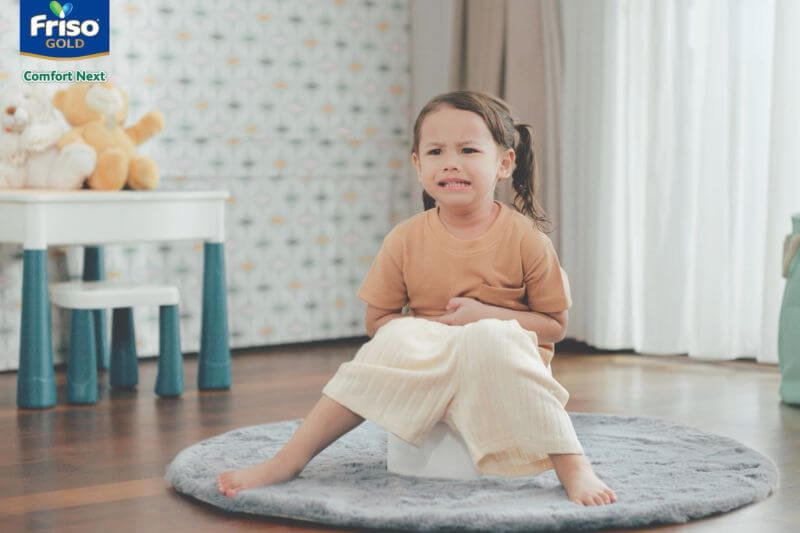

Dr Loh Wai Loong: Constipation is actually very common in young children, and many parents will encounter it at some stage.
It usually happens when stools become hard and difficult to pass.
This can be linked to several everyday factors, such as low fluid intake, not enough fibre in the diet, changes in routine, starting school, travelling, or even having a less active digestive system.
Sometimes, children may also delay going to the toilet. They may be too busy playing, uncomfortable using certain toilets, or afraid that passing motion will hurt.
When this happens, the stool stays in the colon longer. The longer it stays there, the more water is absorbed from it, making the stool harder and more difficult to pass.
So while constipation may start as a simple delay in bowel movement, it can become more uncomfortable when the stool becomes dry, hard or painful to pass.
That is why it helps for parents to notice the signs early and support their child before the problem becomes persistent.
Q2: What are the signs that a child may be constipated?

Dr Loh Wai Loong: Parents can look out for a few common signs.
For example, if your child is passing hard or dry stools, feels pain or discomfort when passing stool, or goes to the toilet less frequently, these may be signs of constipation.
A child who passes motion around two to three times a week or less may also be constipated, especially if the stool is hard, lumpy or painful to pass.
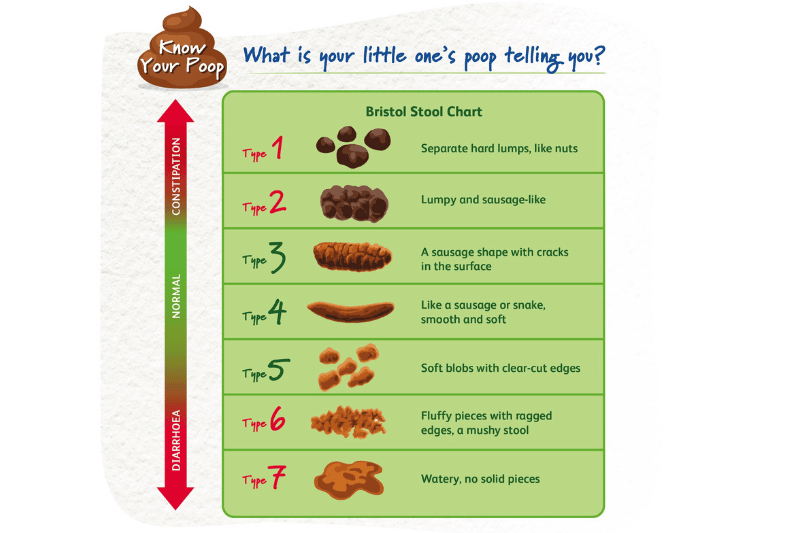
Reference: Lewis SJ, et al. Scand J Gastroenterol. 1997;32(9):920-4.
Parents can also refer to the Bristol Stool Chart (above), which is a simple visual guide showing different stool types based on shape and texture.
If the stool looks hard, lumpy, or like small pellets, it may indicate constipation. Softer, smoother stools are usually linked with a healthier and more comfortable bowel movement.
This can be helpful because many parents may not realise there is a way to visually check what is considered normal.
Instead of only counting the number of days, parents can also pay attention to the stool texture, their child’s comfort level, and whether toilet time has become stressful for them.
Q3: Does nutrition itself play a role in supporting digestive comfort?
Dr Loh Wai Loong: Nutrition can play a role in supporting digestive comfort, especially when it is part of a balanced diet.
Besides water, fibre and daily meals, some children may continue to receive milk supplements as they grow. Some formulated milk powders for children are designed to support digestive discomfort, including constipation.
Parents may come across ingredients such as Beta-Palmitin, prebiotics and probiotics.
Beta-Palmitin can help support softer stool formation for easier passing1. Probiotics, such as Bifidobacterium lactis HN019, may help support a good gut environment and ease bowel movement2-3.
Prebiotics, such as a mix of Carob Bean Gum, GOS and FOS, help support the growth of good bacteria in the gut and maintain a balanced gut microbiota4-7.
These nutrients may help support softer stools, smoother digestion and more comfortable, regular stooling.
However, nutrition should not be looked at alone. It works best together with daily habits such as proper hydration, fibre intake, physical activity and a calm toilet routine.
Q4: Can holding in stools make constipation worse?

Dr Loh Wai Loong: Yes, it can. When children ignore the urge to pass stool or feel stressed about toilet time, the stool remains in the colon longer.
As more water gets absorbed from the stool, it becomes harder and more difficult to pass. This can create a cycle.
A child may have one painful toilet experience, then become afraid to go again. The more they hold it in, the harder the stool becomes.
Then the next bowel movement may feel even more uncomfortable. That is why toilet routine matters.
Parents can help by creating a relaxed toilet habit.
For example, you can encourage your child to sit on the toilet for a few minutes after meals. This can help train the digestive system to develop a more regular pattern.
However, it is important to do this calmly. Try not to pressure, scold or rush your child.
For many children, patience and routine work better than force. Toilet time should feel safe, not stressful.
Q5: Do water and fibre really help with constipation?
Dr Loh Wai Loong: Yes. Fluids and fibre work together to support smoother digestion.
Adequate fluid intake helps keep stools soft. Fibre helps move food through the digestive tract.
Fibre-rich foods such as fruits, vegetables and whole grains can add bulk and softness to stool, making bowel movements more comfortable and easier to pass.
This is why parents are often encouraged to look at their child’s daily habits as a whole.
Is your child drinking enough water? Are they eating enough fruits and vegetables? Are they moving around enough during the day?
Physical activity can also support digestion. Simple movement, outdoor play or regular activity can help keep the digestive system active.
It does not always have to be a big lifestyle change. Sometimes, small consistent steps such as offering more water, adding fibre-rich foods, and encouraging active play can help support better bowel habits over time.
Q6: When should parents take early action?

Dr Loh Wai Loong: Occasional constipation is common. However, parents should pay closer attention if hard stools, frequent straining or discomfort happen regularly.
For example, if your child poops two times or less per week, this could be a sign of constipation.
Parents should also take note if the child complains of ongoing tummy pain, avoids eating, or becomes fearful of using the toilet.
These are signs that constipation may already be affecting the child’s comfort and daily routine. Addressing it early can help prevent constipation from becoming persistent.
Improving daily habits such as proper diet, hydration, physical activity and suitable nutrition can support better digestive comfort over time.
The goal is not just to help the child poop once, but to support a healthier and more comfortable bowel routine.
Helping Children Build a More Comfortable Toilet Routine
Constipation can be frustrating for both children and parents.
For children, it can feel painful, scary or embarrassing. For parents, it can feel worrying when your child is uncomfortable, refusing food, or avoiding the toilet altogether.
But childhood constipation is common, and there are practical ways to support your child.
Start with the basics: enough water, fibre-rich foods, daily movement and a calm toilet routine. Pay attention to stool texture, toilet frequency and your child’s comfort level.
If constipation keeps happening or your child seems in pain, speak to a healthcare professional for proper advice. Because when it comes to smoother digestion, small daily habits can make a meaningful difference.
References:
- Manios Y, et al. BMC Nutr. 2020;6:46.
- Gopal PK, et al. (2003) Nutr Res, 23(10):1313–1328.
- Waller PA, et al. (2011) Scand J Gastroenterol, 46(9):1057–1064.
- Georgieva M. World J Clin Pediatr. 2016;5(1):118-27.
- Vivatvakin B, et al. Asia Pac J Clin Nutr. 2003;12(2):193-7.
- Moro G, et al. J Pediatr Gastroenterol Nutr. 2002;34:291-5.
- Ben XM, et al. World J Gastroenterol. 2008;14:6564–8.
Disclaimer: The information provided in this article is for informational purposes only and should not be considered as medical advice from Motherhood. For any health-related concerns, it is advisable to consult with a qualified healthcare professional or medical practitioner.
For more insightful stories and fun recipes, stay tuned to Motherhood Story!