



Has your little one been running a fever without any obvious reason? Or have you noticed that their urine smells different, looks cloudy or seems darker than usual?
These changes can leave parents wondering whether something is wrong. While some changes in urine are harmless and may be linked to food, fluid intake or everyday activities, others could be signs of a urinary tract infection (UTI).
UTIs can be particularly difficult to recognise in babies and young children because they may not be able to tell us when something hurts. Sometimes, an unexplained fever may be one of the few clues parents notice.
During a New Mom Webinar session on childhood and infant urinary health, Dr Roger Anthony Idi, Consultant Paediatric Urologist from Prince Court Medical Centre, shared important insights into recognising urinary concerns, understanding common causes and knowing when children may need medical attention.
Here are some things parents should know about their little one’s urinary health.
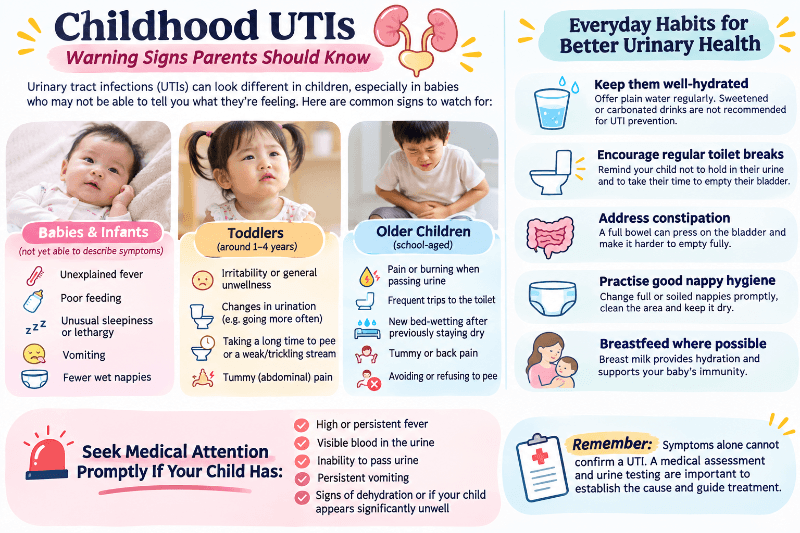
1. How Can You Tell If Your Child Has a UTI?
One of the challenges with childhood UTIs is that symptoms can look different depending on a child’s age.
Babies, especially those who are too young to communicate discomfort, may not show the typical symptoms adults associate with a urinary infection.
Parents should look out for changes in their child’s overall condition, including:
- Unexplained fever: A fever without an obvious cause may warrant checking for a UTI, particularly in babies.
- Poor feeding: A baby who suddenly feeds less than usual may need medical assessment.
- Unusual sleepiness or lethargy: If your child seems unusually tired, less responsive or less active, do not dismiss the change.
- Vomiting: Vomiting alongside other symptoms may indicate that your child is unwell.
- Fewer wet nappies: A noticeable reduction in wet nappies, particularly alongside poor feeding or illness, deserves attention.
During the webinar, parents were reminded to consider a UTI when a baby develops an unexplained fever, even if there are no obvious urinary symptoms.
This does not mean every fever is caused by a UTI. However, it is worth considering urinary infection as one possible explanation, especially when there are no other obvious symptoms.
Older children may be able to describe their discomfort more clearly. Signs to look out for include pain or a burning sensation when passing urine, frequent trips to the toilet, abdominal or back pain, and new bedwetting after previously staying dry.
Some children may also avoid going to the toilet, take an unusually long time to urinate or have a weak or trickling urine stream.
If you notice these changes, have your child assessed by a healthcare professional rather than trying to determine the cause yourself.

2. Should Parents Worry About Changes in Urine Colour or Smell?
Not every change in urine colour or smell means your child has a UTI.
For instance, darker yellow urine may occur when a child has not been drinking enough fluids, has been active or has spent time in hot weather. Certain foods, vitamins and medicines can also affect the appearance or smell of urine.
During the webinar, Dr Roger discussed how foods such as asparagus and durian may alter urine odour, while dragon fruit may change its appearance.
However, cloudy or unusually foul-smelling urine should not simply be ignored, particularly if your child has other symptoms.
Dr Roger emphasised that parents should look at their child’s overall condition rather than focusing only on urine colour.
“The important rule of thumb is to look at your child as a whole. Not only the urine colour.”
Pay attention to whether your child is also experiencing fever, pain, vomiting, poor feeding or changes in energy levels.
Visible blood in the urine, an inability to pass urine or a child who appears significantly unwell warrants prompt medical assessment.
Ultimately, urine colour and smell alone cannot confirm whether a child has a UTI. A proper medical assessment and urine testing may be needed to establish the cause.
3. Why Do Babies and Children Get UTIs?
UTIs occur when bacteria enter the urinary tract and cause an infection. Several factors can make babies and children more susceptible.
One factor is anatomy. The shorter urethra in girls and its proximity to the anus can make it easier for bacteria from the bowel to enter the urinary tract. Boys can also develop UTIs, and they may have a higher risk during the first three months of life.
Everyday toilet habits can also contribute to urinary problems, particularly among older children.
Some children avoid using school toilets because they feel uncomfortable or prefer to wait until they get home. Others may hold their urine for too long or rush through toilet visits without emptying their bladder properly.
Constipation is another factor parents should not overlook.
When a child’s rectum is full due to constipation, it can put pressure on the bladder and interfere with normal emptying. This may increase the risk of urinary problems.
Some children may also have structural differences in their urinary tract, such as a duplex kidney or vesicoureteral reflux, where urine flows backwards towards the kidneys.
If a child experiences recurrent UTIs, particularly infections accompanied by fever, doctors may recommend further investigations to check whether there are underlying structural or urinary-flow issues.
4. Can Parents Take Steps to Prevent Childhood UTIs?
While not every UTI can be prevented, parents can encourage everyday habits that support their child’s urinary health.
Encourage Regular Toilet Breaks
For older children, remind them not to hold their urine for too long. Encourage them to use the toilet regularly and take their time rather than rushing.
Address Constipation
If your child frequently experiences constipation, speak to their healthcare professional about managing it. Bowel habits can affect bladder function too.
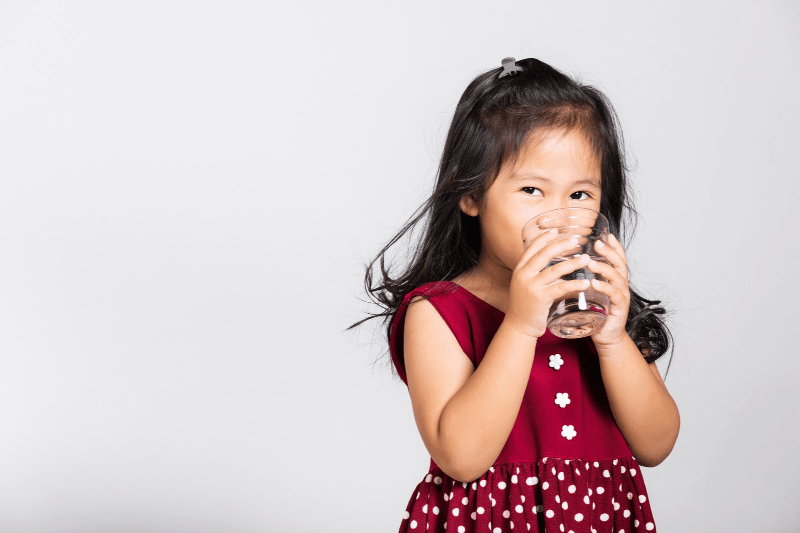
Offer Plain Water
For children who are old enough to drink water, plain water is a practical choice for maintaining hydration.
When asked whether barley water could help prevent UTIs, the webinar discussion emphasised plain water instead. Sweetened or carbonated drinks should not be treated as UTI prevention remedies.
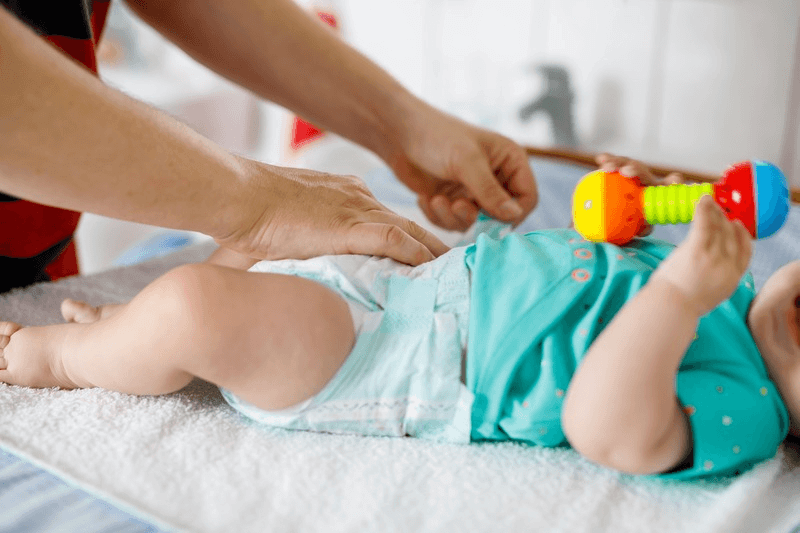
Maintain Good Nappy Hygiene
Parents do not need to rely on a particular nappy brand. What matters more is changing full or soiled nappies promptly, cleaning the area properly and keeping it dry.
Prolonged contact with moisture and waste can irritate the skin, while nappy rash may sometimes involve fungal infection.
Breastfeed Where Possible
Breast milk provides nutrition and hydration for babies who are feeding effectively. Breastfeeding also supports the baby’s general immune health.
However, these measures do not guarantee that a child will never develop a UTI.
5. Do Breastfed Babies Need Extra Water to Prevent UTIs?
This is a common concern among parents of young babies, particularly during hot weather.
According to the webinar discussion, exclusively breastfed babies who are feeding effectively generally do not need additional water for hydration.
Breast milk provides the fluid they need. Parents can monitor feeding and wet nappies as practical indicators of whether their baby is getting enough milk.
A noticeable reduction in wet nappies, especially when accompanied by poor feeding or signs of illness, should be discussed with a healthcare professional.
The webinar also addressed another question that may surprise parents: Is it normal for a seven-month-old baby to go from 8 p.m. until morning without passing urine?
This can happen because the body releases antidiuretic hormone during sleep, helping to conserve water. The bladder can also store urine until the child wakes.
An overnight stretch without a wet nappy is not necessarily a sign of a urinary problem on its own.
However, parents should seek medical advice if this change happens alongside poor feeding, illness or other concerning symptoms, particularly if their baby has a known urinary tract condition.
6. Does Circumcision Help Prevent UTIs in Boys?
Circumcision is sometimes discussed as a possible way to reduce the risk of urinary infections in boys.
However, Dr Roger explained that the benefit was not significant in the toddler situation discussed during the webinar.
While circumcision may be recommended for certain medical indications, it is not a universal preventive measure for childhood UTIs.
The procedure also involves surgical risks, so parents should not consider it solely as a routine way to prevent urinary infections without discussing the potential benefits and risks with a qualified doctor.
7. How Are UTIs Diagnosed and Treated in Children?
If a UTI is suspected, doctors may recommend a urine test to help determine whether an infection is present.
Cloudy or foul-smelling urine alone cannot confirm a UTI. Urine analysis and culture are important because they help identify bacteria and guide appropriate treatment.
The method of collecting a urine sample may differ depending on the child’s age and whether they are toilet-trained.
Parents should follow the healthcare team’s instructions rather than attempting to collect and store a sample without guidance.
Dr Roger also highlighted the growing concern surrounding antibiotic resistance.
“Antibiotic usage is on the rise, and as a result, antibiotic resistance comes into the equation as well.”
This is why antibiotics should be used appropriately rather than given unnecessarily whenever a child experiences a change in urine colour or smell.
In some cases, doctors may start treatment before the urine culture results are available, particularly when the child’s symptoms and initial test findings suggest an infection. Treatment can then be reviewed once the culture and sensitivity results are ready.
For children with recurrent UTIs or suspected structural abnormalities, further investigations may be recommended. Ultrasound is often used as an initial imaging option to examine the kidneys and urinary tract.
The appropriate treatment and follow-up will depend on the child’s symptoms, test results and overall condition.
When Should Parents Seek Medical Attention?

A child’s urinary habits can change for many reasons, and not every change means something serious is happening.
However, parents should not ignore symptoms such as unexplained fever, pain during urination, visible blood in the urine, persistent vomiting, poor feeding or unusual lethargy.
If your child cannot pass urine, seek urgent medical assessment. A child who appears significantly unwell also needs prompt attention.
Most importantly, remember that you do not need to diagnose a UTI at home. Your role is to notice unusual changes, share them with your child’s doctor and seek medical advice when something does not seem right.
As parents, we are constantly learning to understand our little ones, including the changes they cannot always explain. Knowing what to look out for can help us seek the right care at the right time.
Keep up with Motherhood Malaysia between articles. Follow our WhatsApp Channel and Facebook Channel for updates and more parenting content!
Disclaimer: The information provided in this article is for informational purposes only and should not be considered as medical advice from Motherhood. For any health-related concerns, it is advisable to consult with a qualified healthcare professional or medical practitioner.
For more insightful stories and fun recipes, stay tuned to Motherhood Story!