
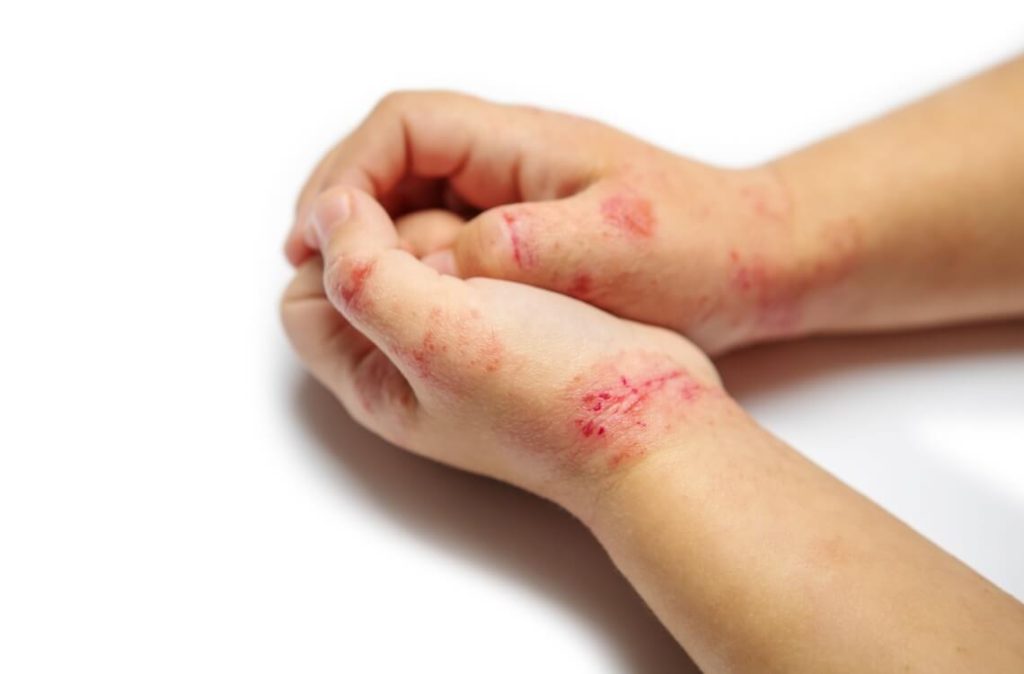
Psoriasis is one of the most common skin conditions in children. They appear as rashes on the skin that can be itchy and bothersome.


We sat down with Nazatul Amira Hamzah, a pharmacist with over 10 years of experience, to help parents learn more about how to manage their children’s psoriasis.
Q1: What is psoriasis, and how does it manifest in children?
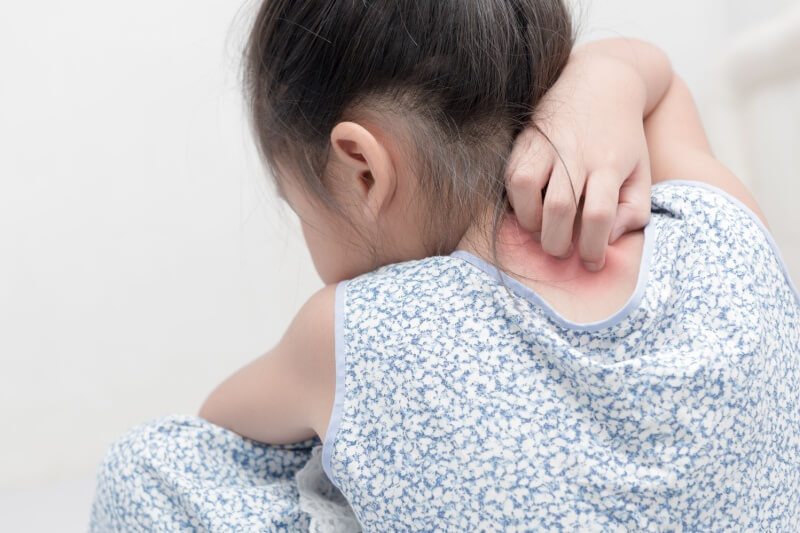

Psoriasis is a chronic (long-lasting) autoimmune skin disease that appears as dry, red patches with silvery scales, usually on the scalp, elbows, knees, and lower back.
It is often accompanied by itching and discomfort.
Although this skin condition can develop at any age, most children experience their first flare-up before the age of 16.
Q2: Is psoriasis common and contagious?
Based on the data collected between 2007 and 2018, psoriasis affects approximately 9-10% of Malaysian children.
The condition is not infectious, but it could significantly impact the child’s quality of life.
Q3: What are the main types of psoriasis that affect children, and what are their symptoms?
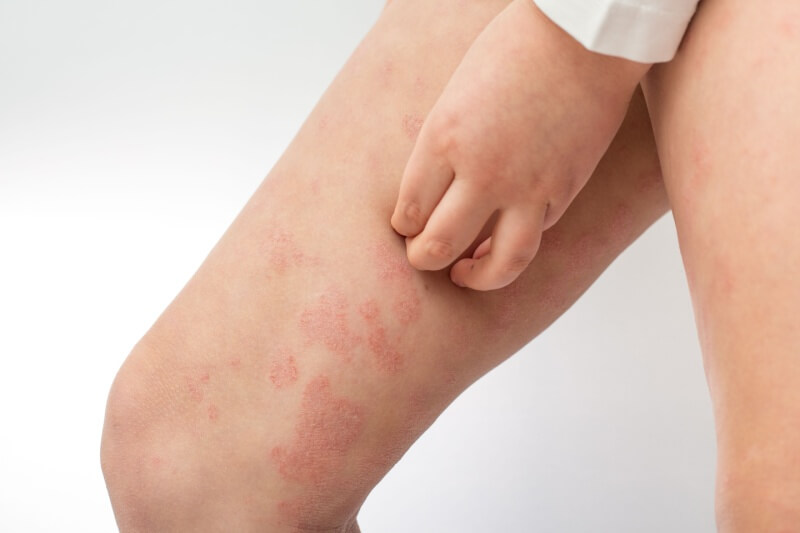
Plaque psoriasis and guttate psoriasis are the most common types of psoriasis in children.
Your child may develop dry, red patches or silvery scales on their skin in plaque psoriasis, particularly on the scalp, knees, elbows, and lower back.
These red patches or silvery scales often cause itching. They may also bleed.
Small pinkish-red or brownish-red droplike spots that appear on the trunk, back, arms, and legs are most likely a symptom of guttate psoriasis. Scales, or silvery, flaky skin, may cover these spots and cause itching.
Children under 2 years of age may have psoriasis diaper rash, which doesn’t improve with normal diaper rash treatment.
Diaper area psoriasis can resolve once a child is toilet trained and no longer needs diapers.
A child may also get pustular, inverse, or erythrodermic psoriasis, although these are less common in kids.
Q4: What causes psoriasis in children?
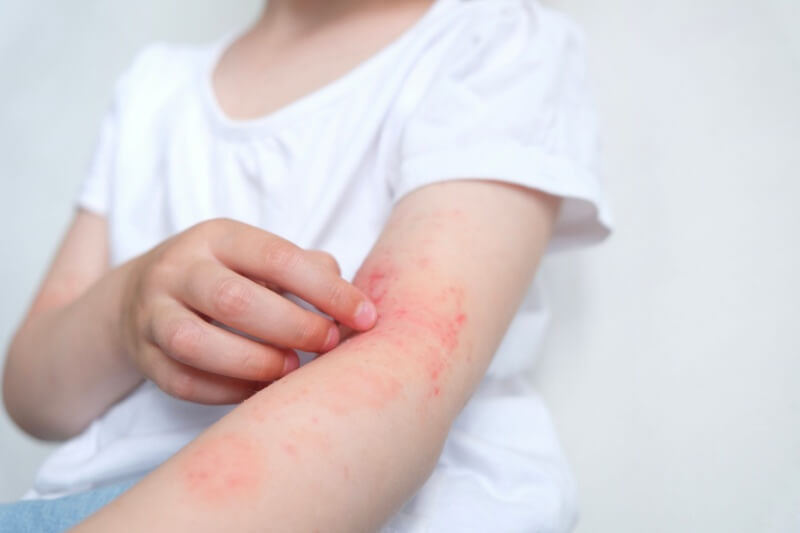
Although the exact cause of psoriasis is unknown, experts agree that genetics and the immune system play major roles.
Factors that could potentially trigger the condition in children include:
- Following an infection, particularly streptococcal pharyngitis or strep throat. This bacterial infection causes your child’s throat to feel sore and scratchy.
- Family history.
- Cuts, scratches, sunburn, or rashes on the skin.
- Certain medications such as lithium, aspirin, beta-blockers such as metoprolol and bisoprolol, and anti-malarial drugs like hydroxychloroquine.
- Cold weather
- Emotional stress
- Obesity
Q5: What are the treatment options for psoriasis in children?
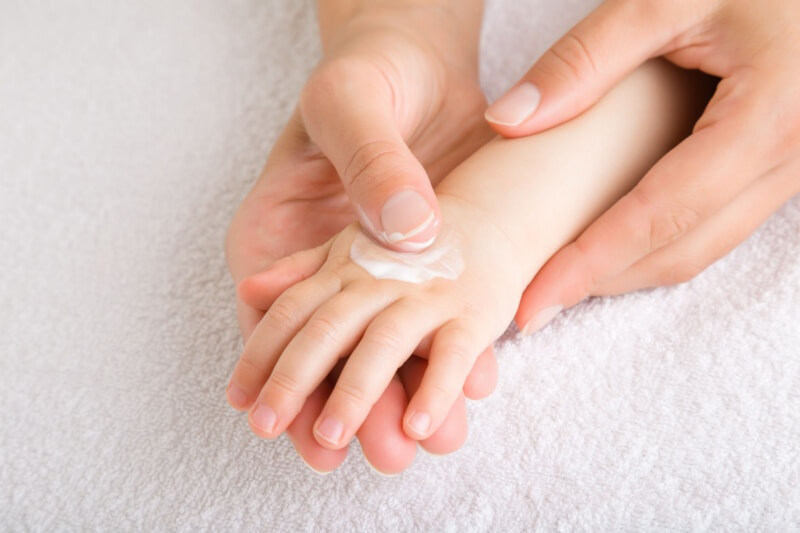
Treatment options depend on the severity and location of the psoriasis, as well as your child’s age. These include:
- Creams, lotions, ointments, and shampoos, including moisturisers, corticosteroids, vitamin D creams, and shampoos containing salicylic acid or coal tar. Salicylic acid and urea cream may also be used to treat thick plaques, but not on children under the age of six.
- If your child’s plaques cover the majority of their body, your doctor may recommend phototherapy using an artificial light (UV light) or laser therapy. However, UV light may worsen symptoms in some children.
- Use an oral antihistamine to relieve your child’s itching, thereby decreasing their tendency to scratch, which could exacerbate their symptoms.
- In severe cases, biologics (injectable medicines for targeted immunotherapy) may be required. Adalimumab, etanercept, ixekizumab, ustekinumab, and secukinumab are among the approved biologics for treating psoriasis in children.
Q6: Can psoriasis in children lead to other health complications?
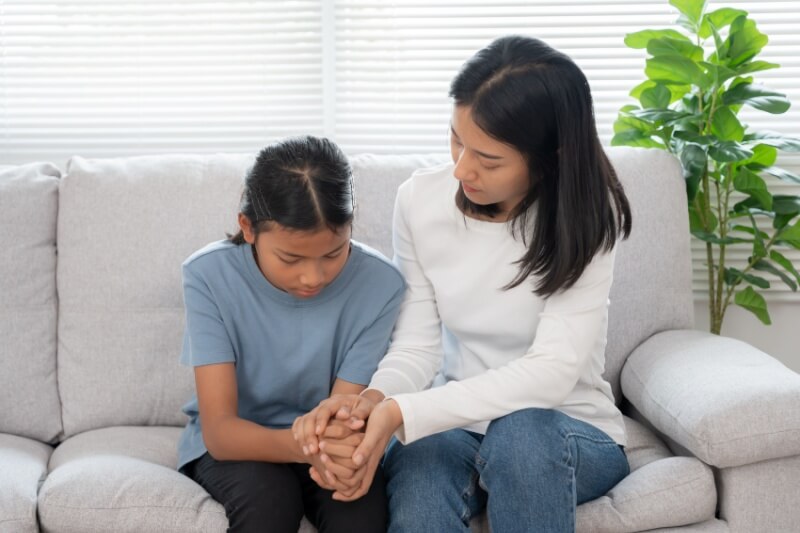
Yes, psoriasis can make a child more susceptible to other health issues, such as psoriatic arthritis, diabetes, high blood pressure, and mental health conditions like depression and anxiety.
Q7: Can psoriasis be cured?
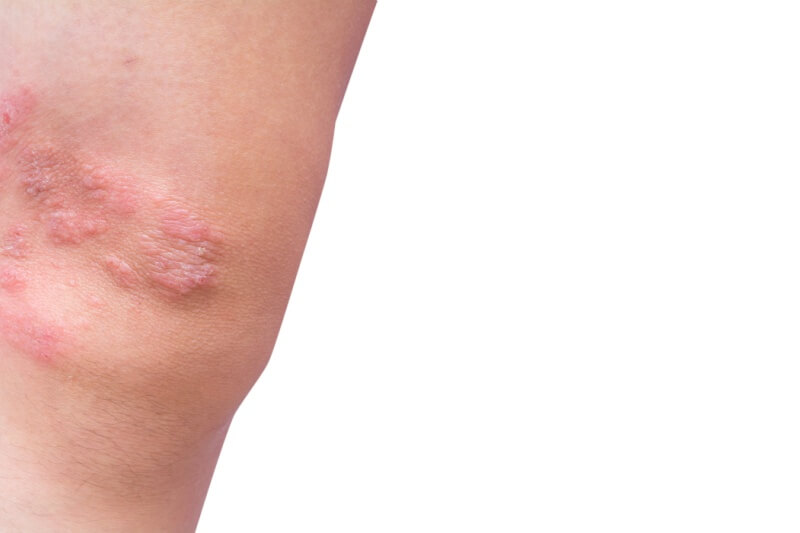
Unfortunately, there’s no cure yet for this condition.
Your child may be able to minimise the risk of other health issues and lead a quality life by managing their symptoms the best they can.
Q8: Are there any natural or alternative treatments for childhood psoriasis?
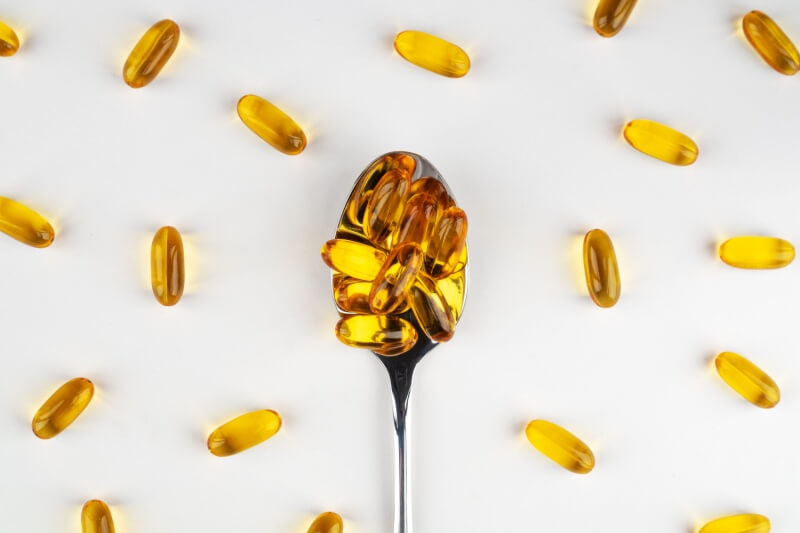
Some parents found variable results from alternative approaches to managing their children’s psoriasis, including skin treatments with aloe vera, tea tree oil, or oatmeal, as well as the intake of dietary supplements like fish oil and vitamin D.
Consult your healthcare provider before starting any alternative treatments to ensure they are safe and effective for your child.
Q9: How does psoriasis affect my child’s growth and development?
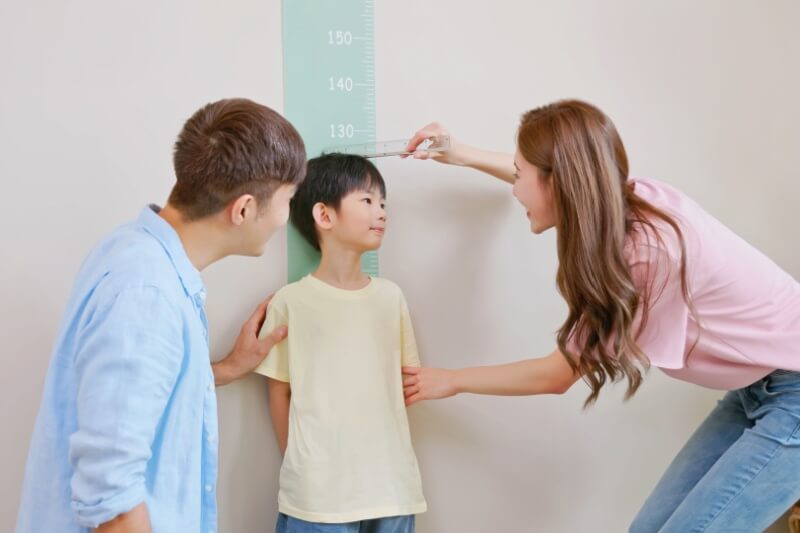
Psoriasis does not directly inhibit growth.
However, in severe or untreated cases, particularly when paired with other disorders, psoriasis can have a substantial influence on your child’s physical activity and overall wellbeing.
Visible skin lesions, as well as frequent itching and discomfort, may cause them to have difficulty concentrating, sleeping, and socialising, potentially leading to low self-esteem.
Q10: How do I support my child living with psoriasis?

- Necessary care: Make sure your child gets regular visits to a dermatologist. Always follow the doctor’s advice and discuss any issues regarding your child’s treatment whenever necessary.
- Educate your child: If age appropriate, explain to your child about their condition and the importance of adhering to the recommendations and treatment advised by healthcare professionals.
- Get your child involved: Give your child some control over their condition. Allow an older child to participate in treatment decisions, such as choosing a cream versus an ointment and selecting their therapy session.
- Encourage a healthy diet: A well-balanced diet consisting of fish, lean proteins, fruits, vegetables, and whole grains helps reduce the risk of inflammation, thus helping your child experience fewer flare-ups. Your child should also avoid or cut down on foods that may trigger inflammation, such as those high in fat and sugar.
- Help with stress: Having to endure stressful periods, such as during exams, increases the likelihood of flare-ups. Support your child during these tough times.
- Monitor physical activity: Children with psoriasis can usually engage in regular physical activities. However, they may need to take steps to avoid skin injuries and manage sweating, which can cause skin irritation.
- Seek assistance: Inform your child’s teachers and carers about your child’s condition, any ongoing treatment, and necessary precautions. They can help your child by making accommodations during flare-ups.