

Stop me if you’ve heard this one: your seven-year-old taps their phone to buy a game upgrade while you’re still rummaging in the couch for spare change.
If that sounds familiar, you’re not imagining things. The youngest generation on the block (Gen Alpha) is rewriting the rulebook when it comes to finances in ways that would’ve made even seasoned adults blink twice.
Parents are watching it unfold, sometimes with pride and just a touch of healthy panic.
So, what’s really going on here? And what does it mean for Malaysian mums raising kids in a digital-first world?
Let’s dive into the surprising financial savvy of Gen Alpha – and why this generation’s money moves matter more than we might think.
Gen Alpha Is Growing Up Digital (and Financial)

If you think about how children learned about money when we were young, it probably involved physical cash, a piggy bank and maybe a chore list.
Today’s Gen Alpha? They’re handling digital accounts, wallets and even investments – often before they can tie their shoelaces.
According to a 2025 report cited by Free Malaysia Today, about 97 per cent of Gen Alpha children in Malaysia already have access to a financial account.
That’s not a small figure. For comparison, older generations grew up with cash, ledgers and physical bank visits.
Gen Alpha’s comfort with digital tools means their relationship with finances starts early, intuitively and screen-natively.
No piggy bank required.
When Kids Know More Than Their Parents

Here’s where it gets really interesting – and maybe a little humbling.
Many Malaysian parents believe their children are more financially capable than they were at the same age, while some also feel their children are more familiar with modern payment methods.
So while it was once the adult’s job to teach their child about money, many mums are now learning from the very generation they’re raising.
This flip in the dynamic isn’t meant to unsettle, but it does shine a spotlight on how quickly finances are evolving in everyday life.
Parents’ comfort with money is still vital – it’s just that they’re often playing catch-up with tech.
Many admit that teaching children about money is becoming more complicated and aren’t sure if their own financial knowledge still applies to today’s economy.
What This Means for Real Life at Home

Gen Alpha’s early exposure to digital payments and wallets might seem like a novelty, but it carries real implications for family life. Here are a few key areas that Malaysian mums might recognise.
Conversations About Spending Start Young
Gen Alpha doesn’t just press buttons. They’re curious about the value behind them, why one app costs RM20 and another is “free”.
These early money moments, if guided well, lay a foundation for finances that extend far beyond pocket money.
When parents talk openly about money – why we save, why we budget, why impulse buys can hurt – kids benefit from real-world learning.
Digital Wallets Are the New Piggy Banks
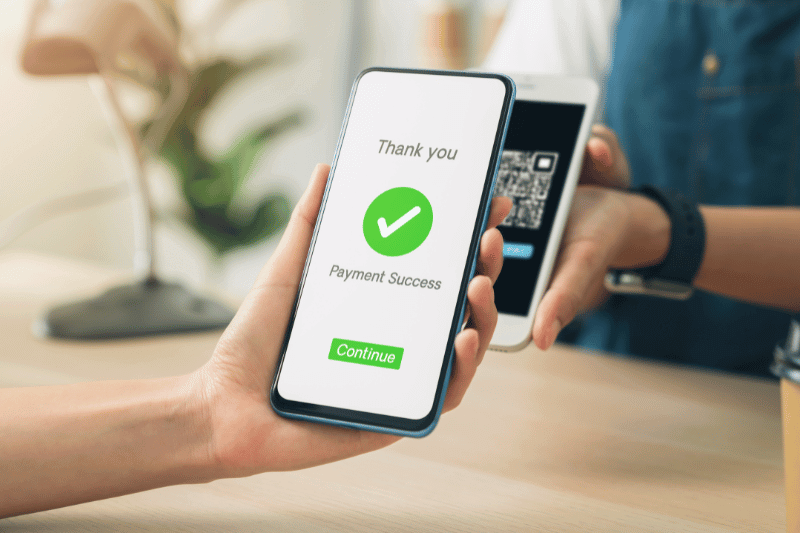
Where we once hid coins under mattresses, Gen Alpha watches QR codes get scanned, taps phones for payments, and manages balances with a swipe. This shift isn’t just about convenience; it’s about how finances are conceptualised.
What was once “money in hand” becomes “money in an app”, and that’s a fundamental change in how kids will think about value.
Learning Tools Can Help Bridge the Gap
Parents want better resources, and Gen Alpha’s digital fluency offers a chance to make learning about finances engaging and effective.
Gamified lessons, simulated trading apps and age-friendly budget tools are gaining traction because they speak the language kids already use.
Making It Work: Strategies for Parents

If the idea of your child knowing the latest payment tech before you does anything for your self-esteem, you’re in good company.
But here’s the thing: there’s no need to feel outpaced. Instead, consider this an opportunity to grow alongside them. Here are some practical ways to make that happen.
Start With Simple Lessons
Begin with the basics: what money is, how it’s earned, and what needs vs wants look like.
In simple terms, financial literacy for children means learning how money is earned, spent, saved and managed, including understanding the difference between needs and wants.
You don’t have to know every app or investment option to start this conversation. The goal isn’t perfect financial expertise – it’s connection and curiosity.
Use Everyday Moments as Teachable Ones
Supermarket trips, saving for a toy, or even deciding on an in-game purchase can be moments to discuss budgeting, decision-making and delayed gratification.
These everyday conversations build foundational understanding of finances that tech alone can’t teach.
Embrace Tools That Engage
Interactive platforms, apps that gamify savings, and child-friendly budgeting tools can make abstract concepts feel real.
If your child is already interacting with money digitally, these tools can help structure that experience into something educational.
Don’t Leave It All to Tech
While Gen Alpha may be fluent with digital wallets, that doesn’t automatically equate to deeper financial wisdom.
Kids need guidance on risk, consequences, planning and resilience. Lessons that only thoughtful engagement with adults can provide.
Looking Ahead: A Generation Prepared?

It’s tempting to worry about whether we’re doing enough as parents. But seeing kids engage with finances early isn’t a threat – it’s an invitation.
Gen Alpha might be leading the charge when it comes to digital money skills, but they still need the wisdom, context and conversations that only parents can give.
So next time your child explains the latest fintech feature to you, take a breath, smile, and then ask a few questions right back.
That’s how smart kids grow into financially thoughtful adults – and how Malaysian mums help shape the future, one money conversation at a time.
FAQs About Teaching Children About Money
How can I start teaching my child about money?
Start with simple everyday lessons about what money is, how it is earned, and the difference between needs and wants. Supermarket trips, saving for a toy and deciding whether to make an in-game purchase can also become opportunities to discuss spending and budgeting.
Does using digital wallets mean my child is financially literate?
Not necessarily. Being comfortable with digital wallets and payment technology does not automatically mean a child understands financial risk, consequences, planning or saving. Children still need guidance and conversations with adults to build deeper financial understanding.
What are simple ways to teach children about financial literacy?
Parents can use everyday situations such as shopping, saving for a desired item and making spending decisions to teach concepts such as budgeting, delayed gratification and distinguishing between needs and wants.
For more insightful stories and fun recipes, stay tuned to Motherhood Story!