

Hey, parents. Food for thought – when we think about keeping our children safe, do we focus on what happens at home or outside?
As a parent, I often worry about traffic, strangers, or bullying in school.
Yet many of the risks children face actually exist inside the very place we assume is safest.
The recent tragic fire at Kampung Muhibbah PPR in Bukit Jalil has brought this reality into the headlines.
A blaze broke out in one of the residential units, and firefighters later discovered the body of a four-year-old boy inside the home.
Several young siblings were also believed to have been in the unit when the fire started.
Incidents like this are heartbreaking, and investigations are still ongoing.
But beyond all the emotions, it’s a reminder for many parents that accidents at home can happen quickly and often without warning.
While no parent ever expects something like this to happen, basic home safety preparation remains important.
From supervision to emergency planning, these little precautions can sometimes make a life-saving difference.
Here are some practical steps families can take to make their homes safer for children.
Never Leave Young Children Home Alone
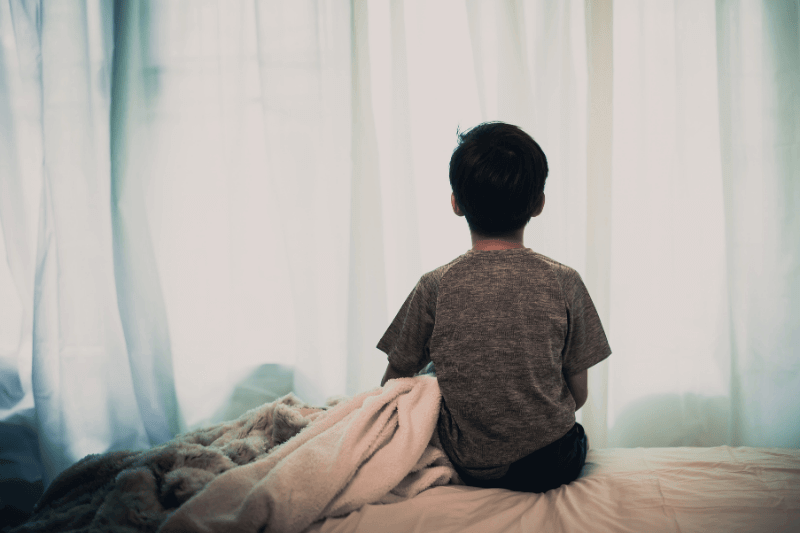

One of the most important safety principles is ensuring young children are not left without supervision.
In Malaysia, there is no specific legal age that states exactly when a child can be left home alone.
However, the law emphasises that children must always be under reasonable supervision by a responsible adult. Under the Child Act 2001, parents or guardians can be held responsible if a child is left without proper care or supervision in a way that exposes them to danger or harm.
Section 31 of the Act states that neglect or actions that place a child at risk of physical or emotional harm may be considered an offence.
This means that leaving young children alone at home, particularly for long periods or in unsafe conditions, could potentially result in legal consequences for parents or carers.
Even older children who stay home briefly should know how to respond in emergencies and be able to contact a trusted adult quickly.
Before deciding if your child is ready to stay home alone, parents should consider their maturity, ability to follow safety instructions, and whether they understand what to do if something goes wrong.
Install Smoke Detectors Around the Home
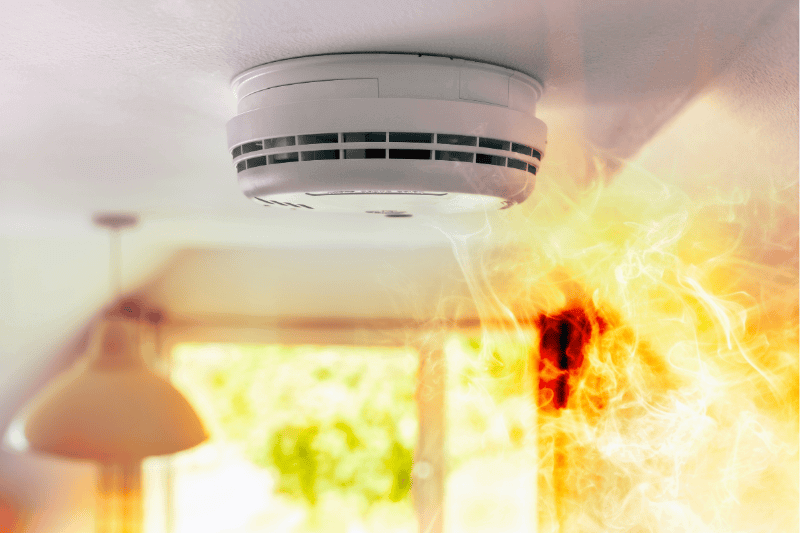
Smoke detectors are one of the simplest and most effective ways to prevent tragedy during a fire.
These devices can detect smoke early and alert families before flames spread.
Ideally, smoke alarms should be installed in key areas such as bedrooms, hallways, and living spaces.
It is also important to test them regularly and replace batteries when needed.
Just as importantly, children should know that the sound of a smoke alarm means they must leave the house immediately.
Keep a Fire Extinguisher in Accessible Areas
Fires often start in places like the kitchen where heat, gas, and electrical appliances are used daily.
Having a fire extinguisher nearby can help contain small fires before they spread.
Parents should also learn how to use it properly and, for older children, explain basic fire safety.
However, children should also understand that their first priority during a fire is to leave the house and seek help, rather than trying to put out flames themselves.
Create and Practise a Family Fire Escape Plan

In an emergency, panic and confusion can slow people down.
That is why it helps to have a simple family escape plan.
Every family should identify at least two possible exit routes from each room, especially bedrooms.
Decide on a safe meeting point outside the home where everyone will gather after escaping.
Practising this plan occasionally helps children remember what to do and reduces fear during a real emergency.
Teach Children Emergency Numbers
Children who are old enough to stay home for short periods should know how to contact emergency services.
In Malaysia, the emergency hotline is 999 for the Fire and Rescue Department of Malaysia (Bomba).
Children should also know their home address and how to clearly explain what is happening when speaking to an operator.
Younger children can also be taught how to call a trusted neighbour or family member nearby.
Keep Matches, Lighters, and Flammable Items Out of Reach
Curiosity is a natural part of childhood.
Items such as matches, lighters, candles, and flammable liquids should always be stored safely and out of children’s reach.
Even when children understand that these items are dangerous, supervision and proper storage are still essential.
Be Careful with Electrical Appliances
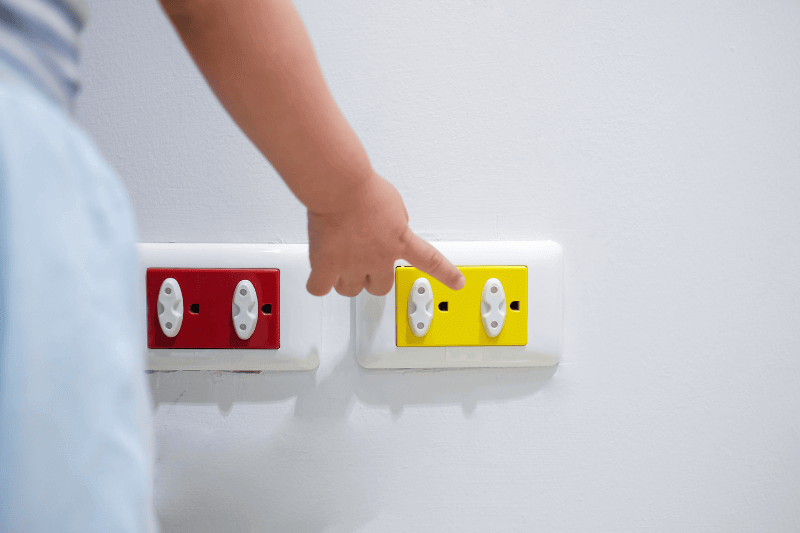
Electrical appliances are part of everyday life, but they can also pose risks if not used properly.
Parents should avoid overloading power sockets and ensure appliances are switched off after use.
Children should also be taught not to play with electrical outlets or cords.
Simple habits such as unplugging unused devices and checking for damaged wires can prevent accidents.
Set Clear Kitchen Safety Rules
The kitchen is often the busiest part of the home, but it can also be one of the most dangerous places for young children.
Children should never cook unsupervised.
As they grow older and begin learning basic cooking skills, parents can teach them how to safely use appliances, handle hot surfaces, and keep flammable items away from the stove.
Make Sure Doors and Windows Are Safe
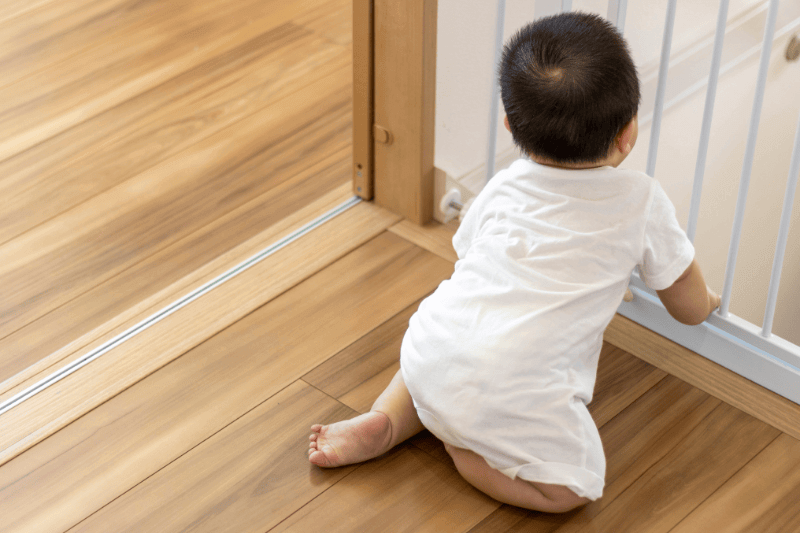
Many families install window grilles in high-rise homes for safety, but it is important that these grilles include quick-release mechanisms in case of emergencies.
At the same time, parents should ensure young children cannot climb near windows or open them easily.
Building a Safer Home for Our Children
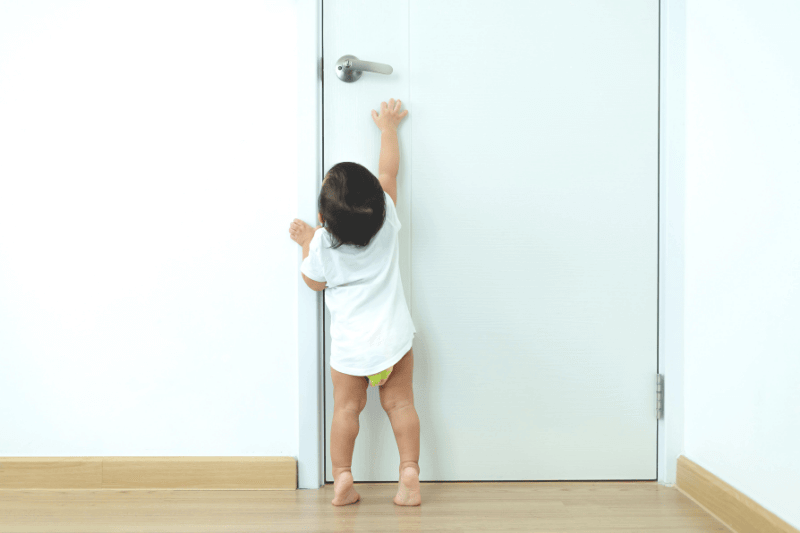
While it is impossible to eliminate every risk, small safety measures can go a long way in protecting our children.
Preparing the home, teaching children how to respond in emergencies, and practising simple safety habits can help families feel more confident and prepared.
After all, home should always be a place where children can grow, explore, and feel safe.
Disclaimer: The information provided in this article is for informational purposes only and should not be considered as medical advice from Motherhood. For any health-related concerns, it is advisable to consult with a qualified healthcare professional or medical practitioner.
For more insightful stories and fun recipes, stay tuned to Motherhood Story!