

Children today are growing up in a very different world compared to the one we knew as children.
Where we once learned to manage money using coins and cash, Gen Alpha children are now exposed to digital money.
Most of what they see comes in the form of e-wallets, QR codes, and in-app payments.
Just a quick tap, and the money is gone. The balance updates instantly.
Even parents sometimes find themselves wondering, “Wait… how is my child already using digital money?”

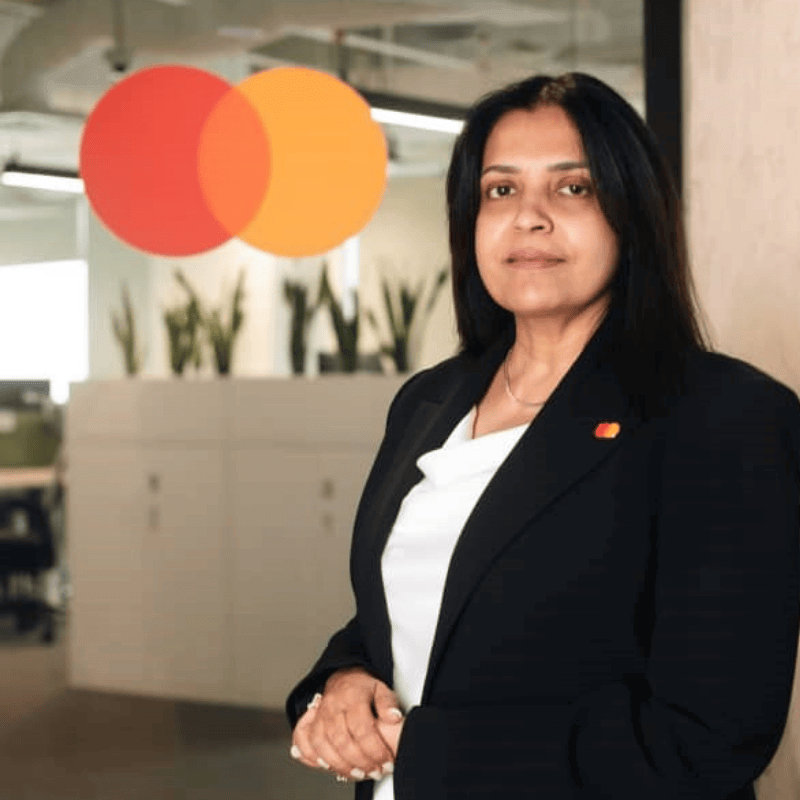
To better understand this shift, we spoke to Ms Beena Pothen, Country Manager of Mastercard Malaysia and Brunei, to explore the reality of children growing up with digital wallets.
From the risks to be aware of, to the opportunities for early financial learning, and practical ways parents can guide their children, here’s what you need to know.
1. When is the right time to introduce digital payments to children?


Children today are interacting with money at a much younger age than before.
As payment methods rapidly evolve from cash and cheques to cards, digital wallets, and tap-to-pay transactions, many children may now see physical money as unfamiliar.
Digital payments have simply become part of everyday life.
According to Mastercard research, across Asia Pacific:
-
Children as young as 7 years old are already learning to manage money
-
94% have a financial account
-
58% are using digital wallets
In Malaysia, the trend is even more pronounced:
-
97% of Gen Alpha children have financial accounts
-
Nearly half are already using digital wallets
Parents can consider introducing digital payments during the primary school years, when children begin managing pocket money and learning basic financial concepts.
At this stage, exposure should be gradual and guided.
Most importantly, children need to understand that money is not just numbers on a screen; it represents effort, income, and real-life choices.
2. How does this digital trend affect a child’s understanding of money?

The rapid digitalisation of payments has brought many benefits, including better financial access and inclusion.
However, it also changes how children perceive money.
With digital wallets, QR codes, and even biometric payments, money becomes something they don’t physically see or hold. Instead, they only see balance updates and instant confirmations.
While this builds digital familiarity, it can also blur the true value behind each transaction.
Without proper guidance, children may begin to
-
See money as “invisible”
-
Assume money is always available
-
Lose the connection between spending and effort
Easy access through smartphones adds another layer of risk.
When payments require just one tap, children may
-
Overspend
-
Make accidental purchases
-
Be exposed to scams and online fraud
Mastercard research also found that:
-
63% of parents in Asia Pacific believe their children are better at managing money than they were at the same age
-
60% worry their own financial knowledge is no longer relevant today
This creates a real challenge.
Parents now need to keep up with evolving financial tools while guiding their children through them.
The good news is there are many resources available today, from trusted news platforms to financial experts on social media.
3. Are there risks parents should be aware of?
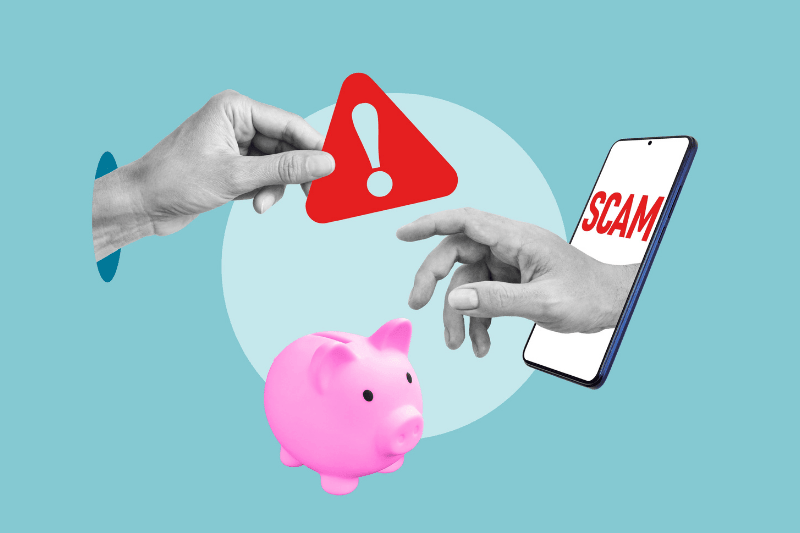
Yes, while digital wallets offer convenience, they also come with risks if not managed properly.
In Malaysia, 73% of parents want strong parental controls in financial apps.
Some common concerns include:
-
Overspending due to the “non-physical” nature of money
-
Exposure to scams or fraud
-
Lack of awareness around digital risks
To address this, Mastercard works with banks and fintech companies to integrate the following:
-
Parental control features
-
Spending limits
-
Transaction alerts
-
Educational tools within youth accounts
For parents, these tools can help protect children while allowing them to learn money management in a safer environment.
4. How will this affect children when they grow up?

In Malaysia, about half of parents believe their Gen Alpha children are already more financially aware than they were at the same age.
This suggests that children growing up today may enter adulthood with stronger financial confidence.
Children who are used to digital wallets and seamless transactions are likely to become the following:
-
Digitally savvy adults
-
Expecting fast, secure, and frictionless payment experiences
Mastercard is working closely with regulators and fintech players to ensure that this transition is supported by the following:
-
Financial education
-
Strong security systems
This includes technologies such as:
-
Tokenisation
-
AI-powered fraud detection
-
Biometric authentication
All of which help create a safer digital financial environment for the next generation.
5. How is Gen Alpha’s spending different from millennials’ or Gen Z’s?
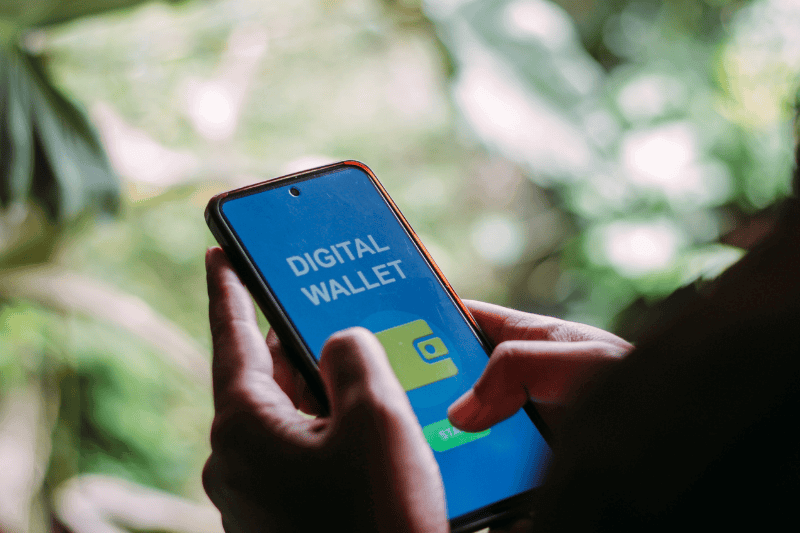
Gen Alpha are natural early adopters.
In Malaysia, 46% already use digital wallets, while 40% have investment accounts.
What sets them apart is their exposure to “shoppertainment”.
This is where entertainment and shopping blend together through the following:
-
Livestreams
-
In-app purchases
-
Social media content
For children, the line between playing and spending becomes increasingly blurred.
We already see this in the following:
-
Social media ads that allow instant purchases
-
Games that offer easy in-app buying
-
Livestreams with direct shopping links
Another important but subtle issue is gender bias.
Boys are often more exposed to conversations about money, investments and financial decision-making, while girls may receive less early exposure.
Over time, this can affect confidence, knowledge, and financial decision-making later in life.
6. Will cash become obsolete?
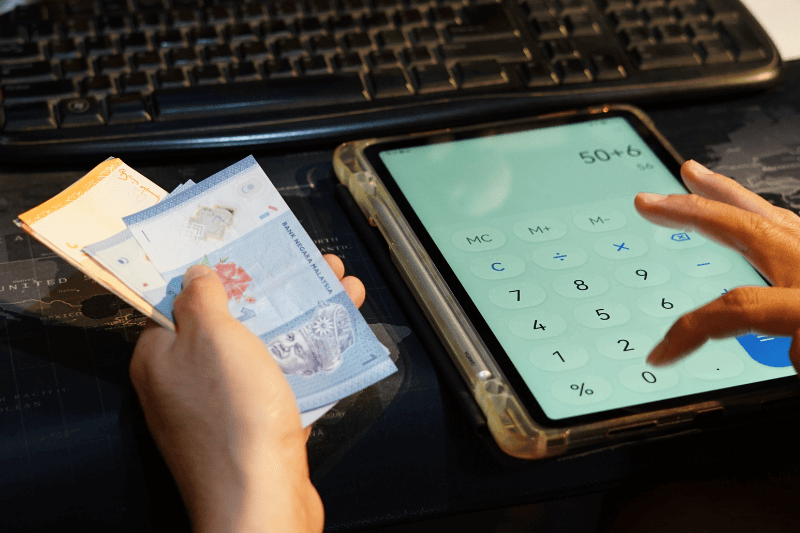
Cash usage is declining rapidly.
In Malaysia:
-
ATM withdrawals are expected to make up a smaller share of total transactions by 2025
-
Projected to drop to 49.8%, compared to 63.3% in 2021
At the same time, 2 out of 3 parents believe their children may never carry physical wallets or cash.
Malaysia also has one of the highest digital wallet adoption rates in Southeast Asia, at around 40%.
However, cash still plays an important role, especially for:
-
Financial inclusion
-
Rural or underserved communities
Globally, usage varies. While Malaysia and Singapore lead in digital payments, countries like Japan still rely heavily on cash.
The goal is not to eliminate cash, but to provide safe, accessible, and inclusive options for everyone.
7. What advice for parents feeling overwhelmed?

It’s completely normal to feel left behind.
Mastercard research shows that 79% of parents in Malaysia wish for more tools to help teach their children about money.
The best approach is to treat this as a learning journey together.
Start simple:
-
Give a digital allowance
-
Review transactions together
-
Explore apps with parental controls
Most importantly, create a safe and supportive environment where children understand the following:
-
Money is earned
-
Money is spent with intention
-
Money should also be saved
With the right guidance, parents don’t need to be tech experts.
They just need to stay curious, open and involved in their child’s learning journey.
Disclaimer: The information provided in this article is for informational purposes only and should not be considered as medical advice from Motherhood. For any health-related concerns, it is advisable to consult with a qualified healthcare professional or medical practitioner.
For more insightful stories and fun recipes, stay tuned to Motherhood Story!