
Tuberculosis, or TB, is a highly dangerous and contagious disease that can be life-threatening, especially for children.
While rare, TB infections are still known to happen, despite strict immunisations in the country.


We sat down with Nazatul Amira Hamzah from Primabumi Sdn Bhd to help us understand more about TB.
She currently holds the position of Pharmacist and Key Account Manager at a renowned pharmaceutical company in Kuala Lumpur.
Here’s a pharmacist’s advice on addressing tuberculosis in children and what parents need to know.
Question 1: What is tuberculosis (TB)?

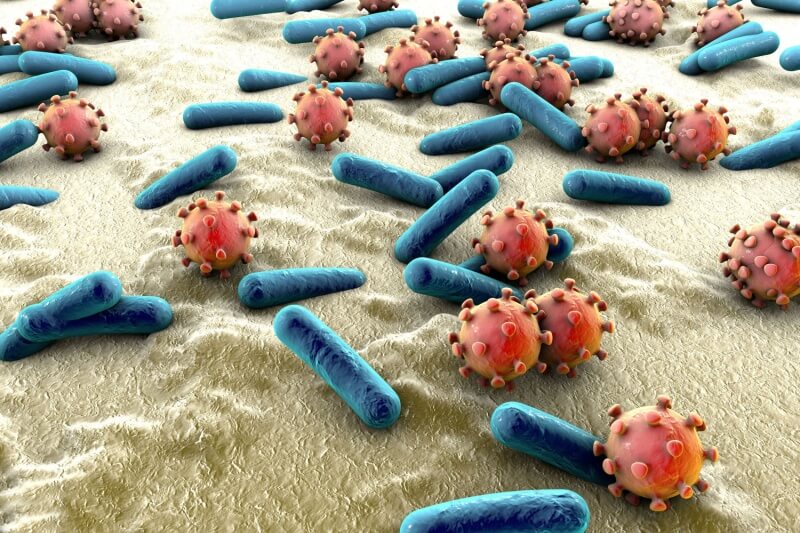
Tuberculosis (TB) is an infectious disease caused by the Mycobacterium tuberculosis bacteria, typically affecting the lungs but may also spread to other body parts.
TB can manifest as pulmonary (affecting the lungs) or extrapulmonary (affecting other parts of the body such as the lymph nodes, brain, or bones).
Question 2: Is TB a serious health concern for children?
Based on data from the Disease Control Division, Ministry of Health Malaysia, the number of TB cases among children reported in 2023 was 1,688 and accounted for only 7% of total TB cases in Malaysia.
This number could potentially be underestimated due to the difficulties in confirming early diagnoses.
It was estimated that 1.2 million children below 15 years old were diagnosed with TB in 2019 worldwide, making it one of the leading global causes of death in children.
Question 3: Is tuberculosis contagious in children?
Firstly, it’s important to understand that a tuberculosis (TB) infection can be both active and latent (inactive).
In latent TB, the Mycobacterium tuberculosis bacteria are not actively growing in the child’s body.
Hence, a child with inactive TB does not feel sick nor show any symptoms and cannot spread the infection to others.
In contrast, in active TB, the Mycobacterium tuberculosis bacteria are actively multiplying in the child’s body since their immune system is unable to stop them from growing.
Children with active TB show symptoms and may be contagious. However, they are less likely to spread the infection, as they often have a lower bacterial load (total number of the disease-causing bacteria) and weaker coughs.
Question 4: How do children get tuberculosis?
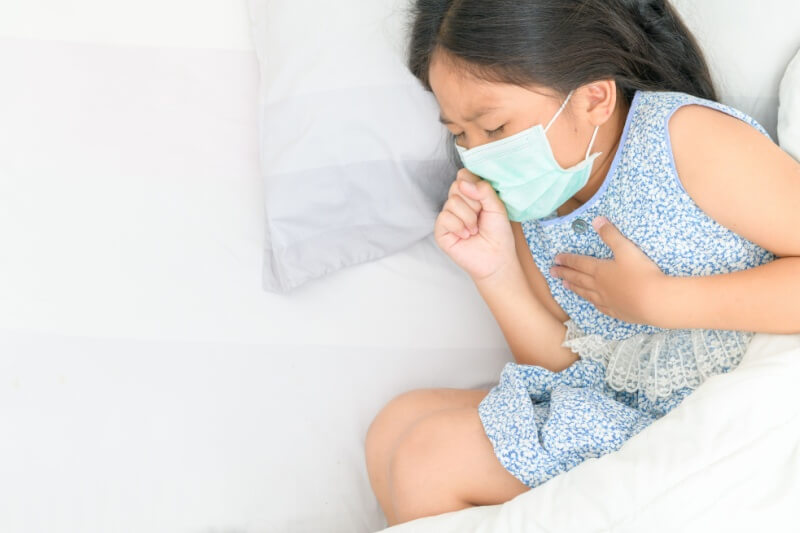
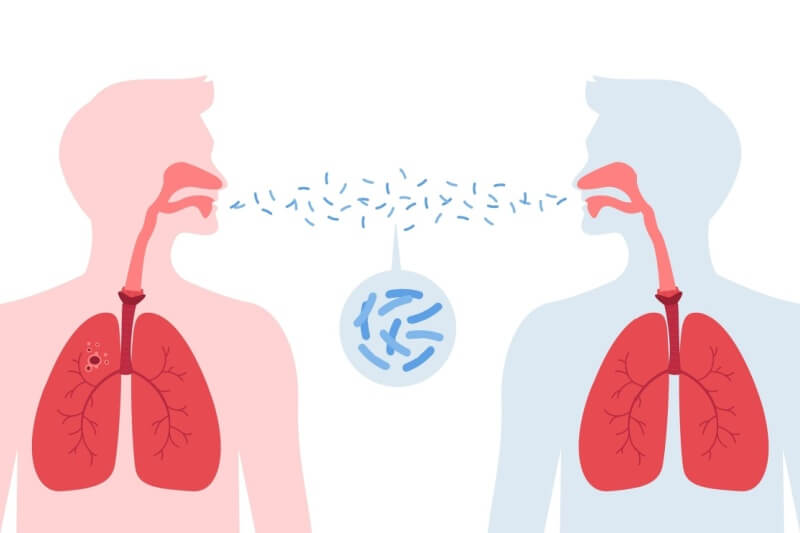
TB spreads through the inhalation of airborne droplets when an infected person coughs, sneezes, speaks, or sings.
Children frequently contract TB through close contact with an infected adult. Additionally, pregnant mothers with active TB can pass the infection to their unborn babies through the bloodstream or lymphatics.
The lymphatic system is a network of tubes, tissues and organs that runs throughout our body and is part of our immune system.
Question 5: How does TB affect children differently from adults?
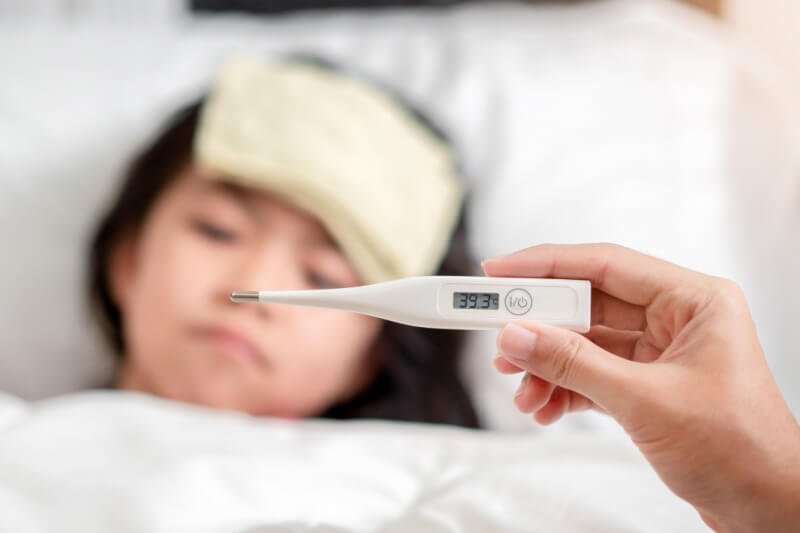
Once infected with TB germs, infants and young children under 5 years of age with active TB disease often present with less obvious symptoms and are more likely to become ill more quickly than adults.
Their underdeveloped immune system makes them more prone to developing more severe forms of TB, such as TB meningitis (TB disease of the brain) or miliary TB disease (TB disease in multiple parts of the body).
Question 6: What are the symptoms of TB in children?
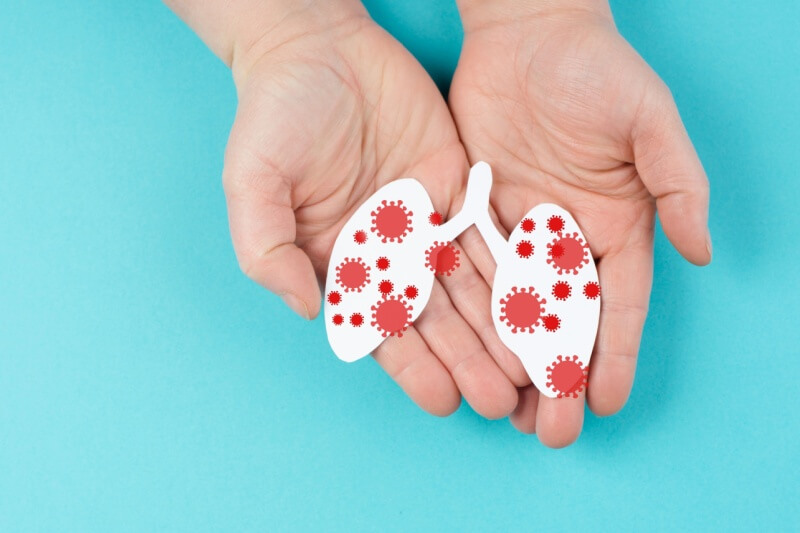
TB symptoms may vary depending on whether it is pulmonary or extrapulmonary.
Symptoms of pulmonary TB:
- A persistent cough lasts 3 weeks or longer
- Coughing up sputum or blood
- Wheezing sound at a specific part of the child’s chest
- Reduced breath sounds
- Shortness of breath
- Chest pain
Symptoms of extrapulmonary TB:
- Blood in the urine (may indicate TB disease of the kidney)
- Headache or confusion (may indicate TB meningitis)
- Back pain (may indicate TB disease of the spine)
- Hoarseness (may indicate TB disease of the larynx)
- Swollen glands (may indicate TB disease of the lymph nodes)
- Swollen, painful joint (may indicate TB disease of the bone or cartilage)
Both pulmonary and extrapulmonary TB may cause similar symptoms, including:
- Fever
- Excessive sweating, especially at night
- Chills
- Fatigue
- Reduced appetite
- Weight loss
- Failure to thrive in infants
Question 7: How is TB diagnosed in children?
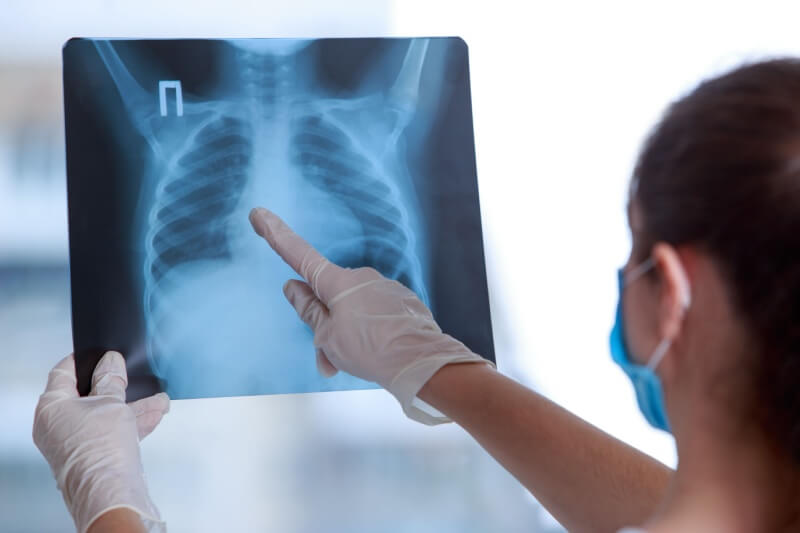
Diagnosis of TB involves a combination of clinical history, Mantoux test, blood tests, chest X-rays, and sputum tests.
The Mantoux test involves injecting tuberculin under the skin and observing for a reaction to detect TB infection.
Question 8: What is the treatment of TB in children?

The choice of TB treatment in children is heavily influenced by several factors, including:
- The type of TB (i.e., latent vs. active, pulmonary vs. extrapulmonary)
- Disease severity
- The child’s age
- Any intolerance to specific medicines
- Presence of other health conditions.
Treatment of TB in children commonly involves a combination of antibiotics such as isoniazid, rifampicin, and pyrazinamide.
These medications may need to be given daily or biweekly and must be completed for a period of 6 to 12 months, as determined by the paediatrician.
The healthcare provider may supervise medicine administration to ensure adherence to treatment, especially among older children receiving biweekly medications and staying near the healthcare facility.
With proper adherence, TB treatment is highly effective in curing the disease, and the possibility of getting the infection again (relapse) is extremely low.
Question 9: How should I care for my child who has been diagnosed with TB?
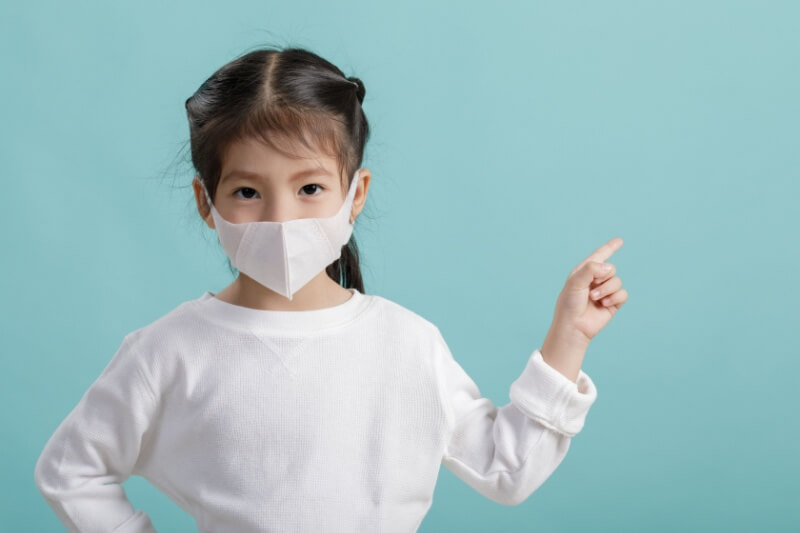
Give your child the antibiotics as prescribed. Ensure your child completes the entire antibiotic course, and never stop your child’s treatment even when they feel better.
Administer the medications with food to prevent stomach issues such as nausea and vomiting.
Teach your child to cover their mouth when sneezing or coughing and ensure they throw away the tissue they used in a covered container.
Keep your child away from public spaces, including nurseries and schools, until allowed to do so by your healthcare professional.
If your child is over the age of two and is around other people, have them wear a mask.
Question 10: How can I help prevent my child from getting a TB infection?
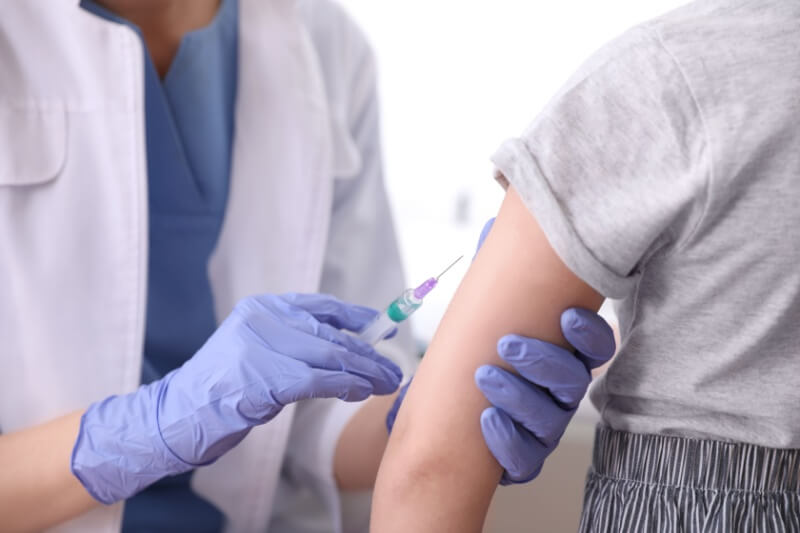
You can help lower the risk of your child contracting a TB infection by adopting the following strategies.
Minimise your child’s exposure to infected individuals by avoiding contact with people who show TB symptoms and overcrowded places or rooms with poor ventilation.
Provide proper nutrition through a well-balanced diet to help your child develop and maintain a strong immune system.
Make sure your child receives a TB vaccination. The Ministry of Health Malaysia provides routine immunisations with the Bacille Calmette-Guérin (BCG) vaccine for newborns and children aged 12 years. The BCG vaccine offers some protection against the development of TB and its severe forms.
Ensure that your child receives treatment for latent TB upon diagnosis.
Source: Nazatul Amira Hamzah, Pharmacist at Primabumi Sdn Bhd
Disclaimer: The information provided in this article is for informational purposes only and should not be considered as medical advice from Motherhood. For any health-related concerns, it is advisable to consult with a qualified healthcare professional or medical practitioner.
For more insightful stories and fun recipes, stay tuned to Motherhood Story!