
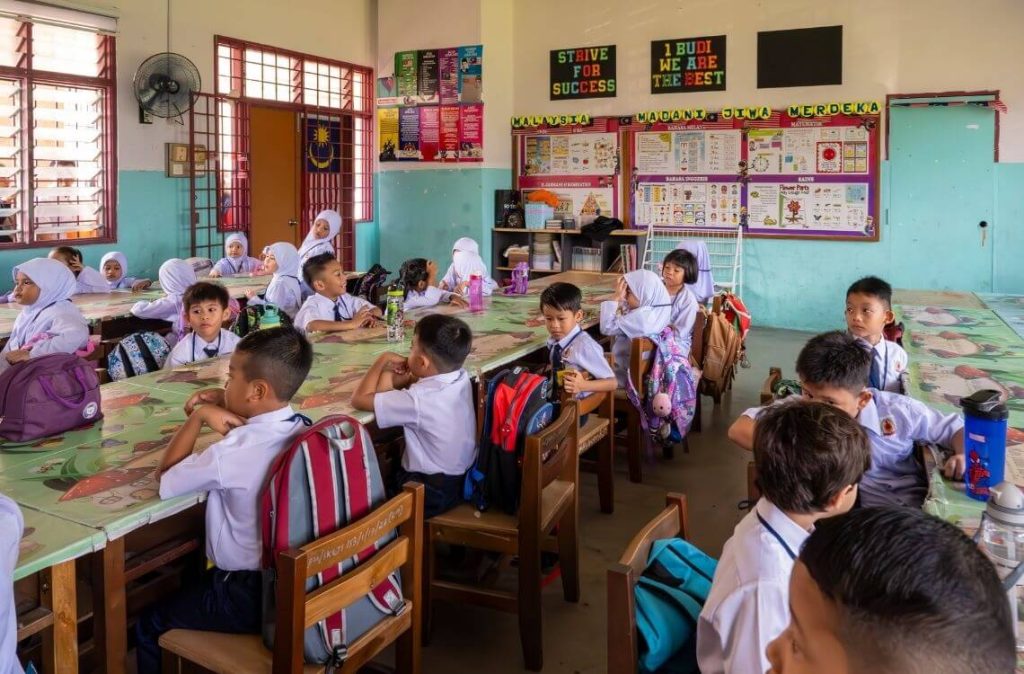
If you’re in a mum group with children entering Year 1 this year, or preparing them for Year 1 soon, chances are you’ve already seen these three letters pop up: DLP.
So let’s slow it down and talk about what DLP in Sekolah Kebangsaan (SK) actually is, what it’s meant for, and what usually happens when your child enters Year 1.
First Things First: What Is DLP?


DLP stands for Dual Language Programme.
It is a programme introduced in selected government schools to allow Mathematics and Science to be taught in English, instead of Bahasa Melayu.
That’s it. Only Maths and Science. Not all subjects. And not all schools.
The default learning language in SK remains Bahasa Melayu, regardless of whether a school offers DLP or not.
Not All Schools Offer DLP
One of the biggest misconceptions is assuming every SK has DLP.
In reality:
-
Only selected schools are approved to run DLP
-
School participation depends on teacher readiness, resources, and school capacity
-
Even within DLP schools, class slots may be limited
So if your child’s school doesn’t offer DLP, it doesn’t mean the school is “behind” or your child is missing out.
What Usually Happens in Year 1?
This part varies slightly by school, but in many SKs, the flow looks like this:
-
The first 3 to 4 weeks of Year 1 are a transition period. (Some schools may be shorter or longer.)
-
During this time, children are:
-
Observed in class
-
Assessed informally
-
Supported as they adjust to school routines, language, and learning style
-
-
After this period, the school will:
-
Assess suitability for DLP classes
-
Announce placements
-
If your child is accepted, they’ll be placed in a DLP class.
If not, some schools may:
-
Allow written appeals or pleas from parents
-
Reconsider based on class capacity and child readiness
This is very school-specific, so outcomes can differ.
What Changes if Your Child Is in DLP?
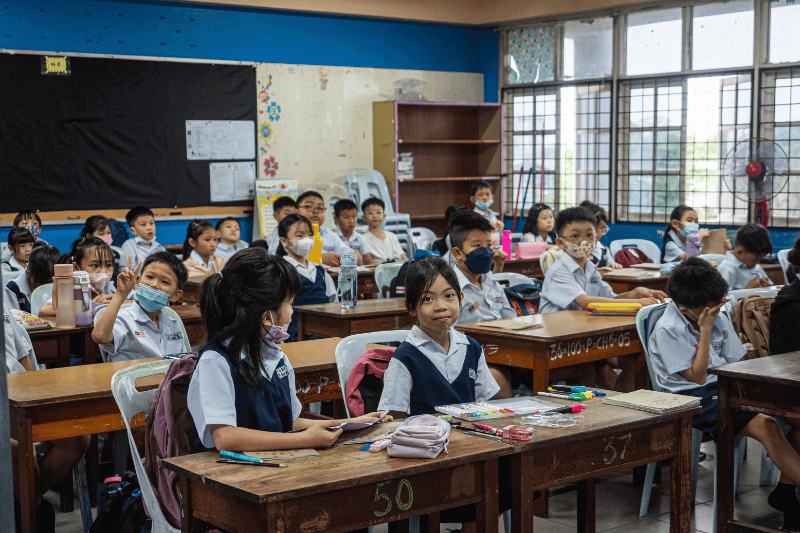

Once confirmed:
-
Your child will receive different textbooks (Specifically for Maths and Science in English)
-
Teaching for those two subjects will be conducted in English
-
Other subjects remain in Bahasa Melayu
There is no separate syllabus. The content is the same. Only the language of instruction changes.
It is important to know that being in a DLP class:
-
Does not mean your child is in an “elite” or “top” class
-
Does not mean the school is labelling children as smarter
-
Is not designed to accommodate English-speaking children only
DLP is not a streaming system, and it is not meant to separate “good” and “weak” students.
So What Is DLP Meant for?
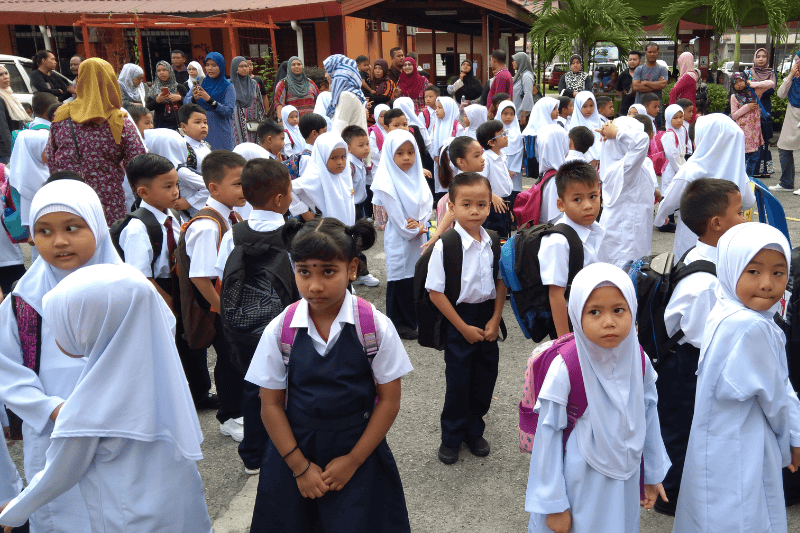
In theory, DLP exists to:
-
Strengthen students’ exposure to English
-
Build confidence using English in academic contexts
-
Prepare students for a globalised, English-heavy world
The intention is empowerment through exposure, but with that said, the reality can vary depending on:
-
Teacher confidence in English
-
Class size
-
School resources
-
Support at home
Which is why experiences with DLP can differ widely from school to school.
Last but not least, no, children in non-DLP classes are not disadvantaged, especially in early primary years where:
-
Foundational literacy matters more than language medium
-
Confidence, comprehension, and love for learning are key
-
English can still be nurtured at home and through exposure
DLP is a pathway, not a guarantee and not a verdict on your child’s ability.
What matters most in Year 1 isn’t the language of Maths or Science but whether your child feels safe, supported, and confident walking into school every day.
And that’s something no programme can replace.
Disclaimer: The information provided in this article is for informational purposes only and should not be considered as medical advice from Motherhood. For any health-related concerns, it is advisable to consult with a qualified healthcare professional or medical practitioner.
For more insightful stories and fun recipes, stay tuned to Motherhood Story!