

As the final weeks of pregnancy roll in, many mums find themselves Googling “hospital bag checklist” at least once a week just to make sure they haven’t missed anything.
It’s completely normal, because packing your hospital bag can feel strangely high-stakes. One missing item and suddenly you’re imagining the chaos of labour without your favourite lip balm or comfortable socks.
If this is your first time preparing for labour and delivery, don’t worry. This guide walks you through all the essentials you need for your hospital bag checklist.
When Should You Pack Your Hospital Bag?

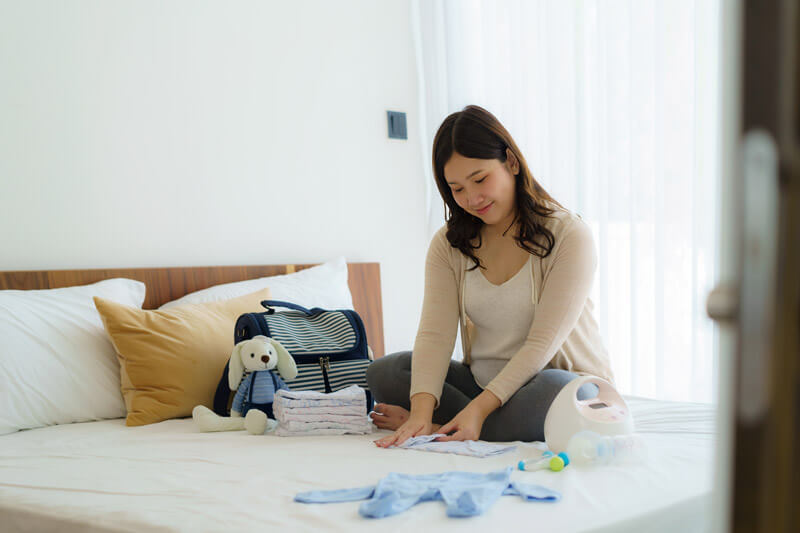
The best time to pack your hospital bag is around 32 to 34 weeks. This gives you a comfortable buffer before the term, without feeling rushed.
Of course, if you’re someone who prefers getting things done early, you can start even sooner—some mums finish packing before the third trimester begins.
The real goal is to avoid last-minute scrambling. Labour doesn’t wait for anyone, and you’ll thank yourself later for having everything organised and in arm’s reach.
Keep your bags near the door, in the car, or somewhere visible so you won’t forget to bring them with you when it’s finally time to head to the hospital.
If you already have a birth plan or specific preferences (such as delayed cord clamping or immediate skin-to-skin contact), keep a printed copy in your hospital bag so medical staff can refer to it easily.
What to Pack in Your Hospital Bag (For Mum)
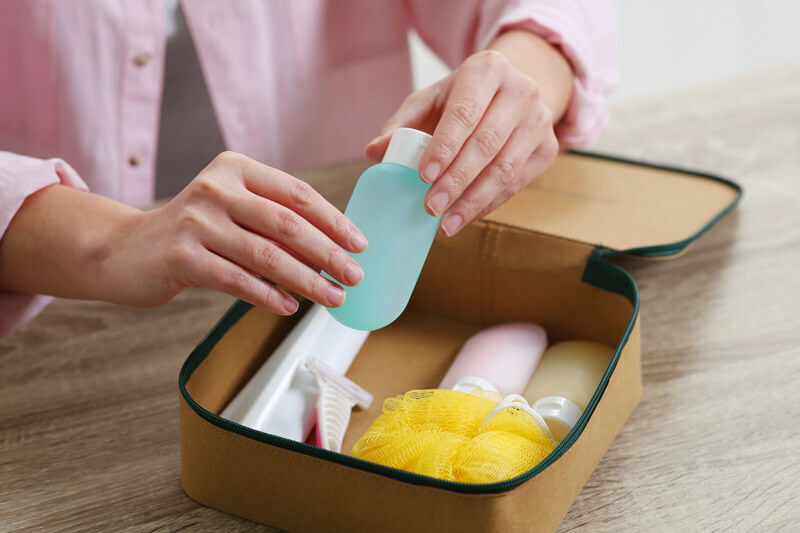
This is where most mums spend the bulk of their time planning, and for good reason—your comfort matters just as much as your baby’s needs.
For Mum
Start with documents. Pack your identification card, insurance information, maternity appointment book, and any necessary admission forms. Keep these in a waterproof folder so nothing gets misplaced.
Next, focus on essentials that help you feel clean and comfortable. Toiletries and other essentials are, well, essential:
- toothbrush & toothpaste
- shampoo
- facial wash
- deodorant
- a pack of wet wipes
- bath towel
- shower slippers
- loose, breathable outfits.
A lightweight robe, nursing bras, comfortable maternity underwear and a going-home outfit are must-haves. Bring socks and a cardigan because hospitals tend to be chilly.
You may also want lip balm, hair ties and a small pouch of skincare basics. Labour can be dehydrating, and something as small as dry lips can be surprisingly distracting.
For added comfort, some mums include their own pillow, a small heat pack, or even a calming essential oil roll-on (only if your hospital allows it).
Baby Essentials to Include
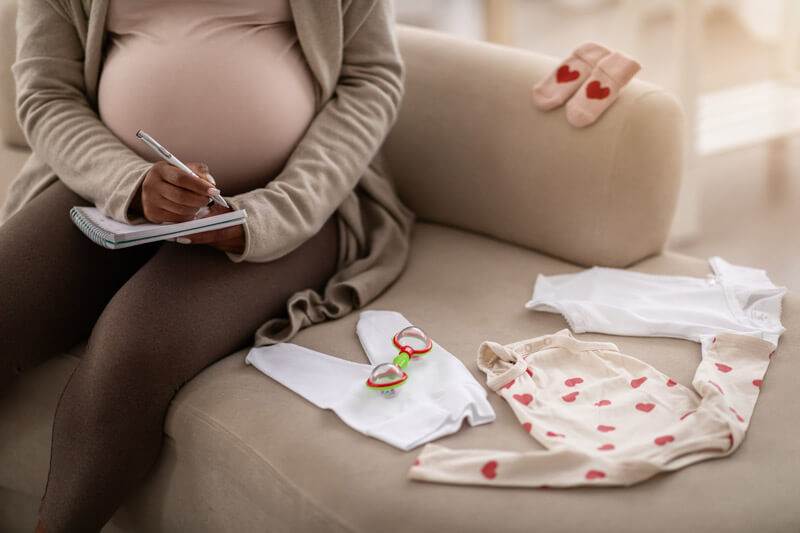
Newborns don’t require much, but what they do need is important.
For Baby
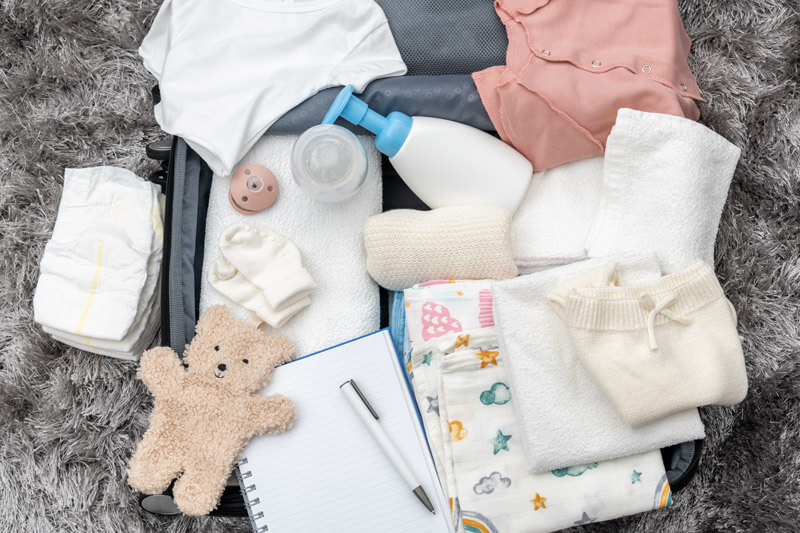
Start with newborn clothing—two or three outfits are usually enough. Include mittens and socks to keep your little one warm, especially in air-conditioned wards.
Here’s what else you may need for your little one:
- A soft hat: Babies lose a lot of heat from their heads.
- Pack swaddles or receiving blankets: Babies feel safer when wrapped snugly, and these can double as burp cloths or breastfeeding covers if needed.
- Diapers: Bring a small pack of newborn-size nappies
- Gentle wipes
- A tube of nappy cream.
Some hospitals provide these items, but many parents prefer using their own trusted brand.
You can also include a baby towel and a mild baby wash if you’d like to handle your baby’s first bath personally, though this varies by hospital policy.
A going-home outfit is a lovely touch if you plan to take photos or videos on discharge day.
Hospital Bag Items for Dad or Partner
Partners often underestimate how much they need during labour, but a prepared partner is a more supportive partner.
For Partner
First, pack practical items—chargers for phones and any other devices, along with a power bank. Labour can be long, and you don’t want phones dying at important moments.
Documents are important too. If your partner is responsible for registration or payment, they should carry relevant forms, identification cards and any insurance details.
Other handy items include:
- toiletries
- a clean set of clothes
- a water bottle
- a small pillow, slippers and some cash for parking or café runs.
A lightweight jacket helps because hospital air-conditioning can get cold.
Snacks are a lifesaver. Hospitals don’t always have convenient late-night food options, and keeping energy levels up is important for both mum and partner. Granola bars, nuts, chocolate and bottled drinks are easy choices.
Tips for Packing for Malaysian Hospitals
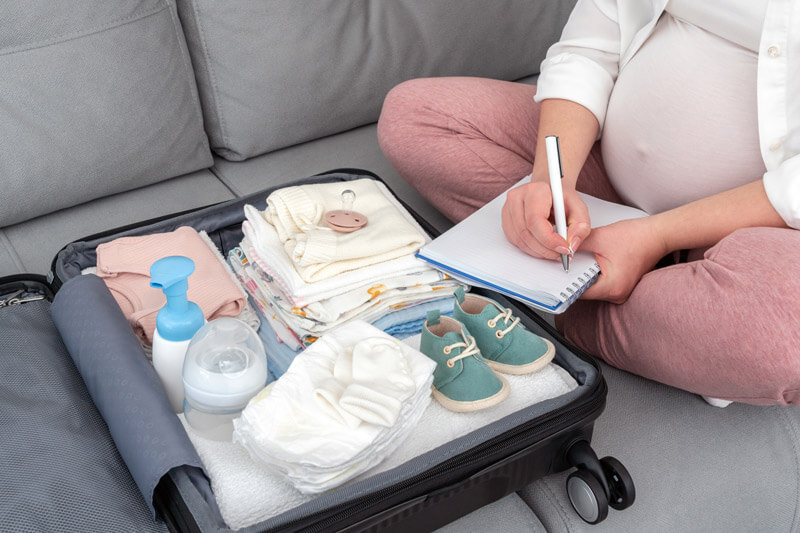
Packing for hospitals here can be slightly different depending on policies and what each facility provides, so it’s wise to call ahead or check their website.
Government hospitals tend to be more minimal with amenities. They might provide basic items, but you’re expected to bring essentials like maternity pads, toiletries and baby clothes. Pack your own swaddle blankets and nappies too.
Private hospitals often offer more comfort items, including toiletries, baby wipes and even baby bath products. However, every hospital is different.
Some private facilities give you a starter kit for mum and baby, while others offer only the basics. Bringing your own preferred items ensures you always have what you need.
Malaysia-Specific Tips: Government vs. Private Hospital
Government hospitals generally have stricter guidelines and sometimes shared rooms, so pack compactly.
Bring only what’s necessary and keep everything neatly labelled. Chargers, documents, toiletries and breastfeeding essentials should all be within easy reach.
Private hospitals offer more flexibility. You may have a private room, more space and a little more privacy.
While they might provide baby clothes and nappies for use during your stay, still pack your own in case your baby needs specific brands or sizes.
Regardless of the hospital type, pack a lightweight folder for forms related to birth registration and discharge. It’s much easier to keep things organised when you’re tired and focused on recovery.
Hospital Bag Checklist FAQ
Here are some common questions expecting parents often have, answered in a bit more detail.
1. How many outfits should I pack for my baby?
Two to three sets are usually enough for a short hospital stay. Newborns are small but unpredictable, so having extras is better than scrambling for replacements.
2. Do I need to bring formula?
If you plan to exclusively breastfeed, most hospitals do not require you to bring formula. However, if you have a preference for a specific brand or wish to combine-feed, pack a small tin just in case.
3. Should I bring my breast pump?
You may not need it immediately, but some mums prefer having it on hand if they want to stimulate supply or if the baby is in the nursery. Check with your hospital—they may lend pumps upon request.
4. How many maternity pads should I bring?
Bring one pack of heavy-flow maternity pads. Post-delivery bleeding can be heavier than expected, and hospital-provided pads may not always suit everyone.
5. Do partners need to pack their own toiletries?
Yes. Hospitals don’t provide toiletries for partners, and having their own basics ensures they can stay with you comfortably throughout labour and recovery.
6. Should I bring entertainment items?
Labour can involve long waiting periods. A book, tablet or downloaded shows can help pass the time. Just remember your chargers.
7. Do I need a going-home outfit for myself?
Yes. Choose something loose, breathable and easy to move in. Comfort is key, especially with postpartum tenderness.
8. Is a birth plan necessary?
It’s optional but helpful. A clear, printed birth plan makes it easier for medical staff to understand your preferences, especially during busy times.
Prepping Your Push-Day Essentials

Packing your hospital bag doesn’t need to feel overwhelming.
With a clear hospital bag checklist, you can prepare with confidence and avoid unnecessary stress as your due date approaches.
Whether you’re delivering at a government facility or a private hospital, the right planning ensures comfort, clarity and peace of mind.
Most importantly, it allows you to stay focused on the moment that truly matters—the joyful arrival of your little one.
For more insightful stories and fun recipes, stay tuned to Motherhood Story!