

Immune boosters are products that claim to support the immune system, thereby protecting the body against infections and diseases.
To help parents explore some misconceptions and realities surrounding immune boosters, we chatted with Nazatul Amira Hamzah, a pharmacist with over 10 years of experience.
Keep reading to heed all her professional advice.


FACT: Immune boosters include a diverse range of dietary supplements and natural foods.
Products marketed as immune boosters often include one or a combination of various nutrients.
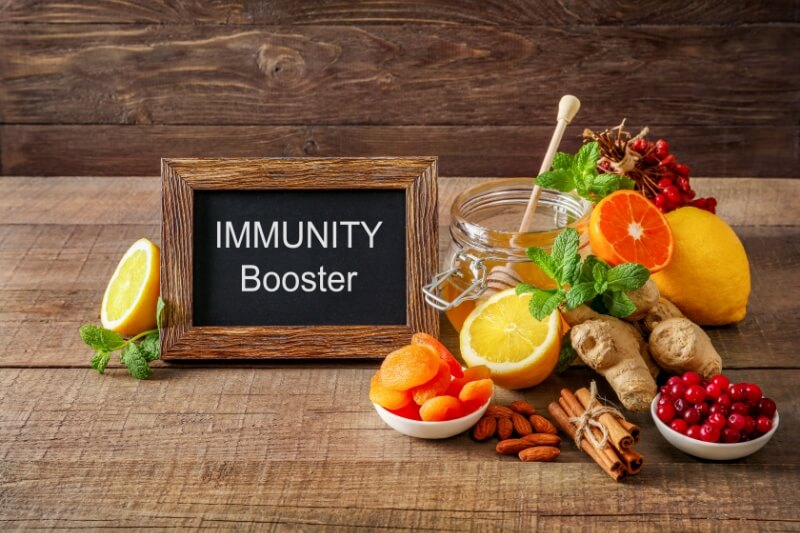

These can be vitamins, minerals, antioxidants, and/or herbal ingredients that aim to promote immune health.
MYTH: All of these so-called immune boosters are guaranteed to support immune health.
Clinical studies have shown that only certain vitamins, minerals, and foods play beneficial roles in enhancing our immune function. These include:
- Certain vitamins (e.g., C, D, E)
- Zinc
- Certain strains of probiotics
- Yoghurt

- Beta-glucagon (found in yeast, oats, barley, and mushrooms)
- Ginseng
- Black elderberry extract
- Whey protein
Please take note that not all immune boosters are suitable for intake by children and pregnant or breastfeeding mothers.
Fact: Overboosting our immune system can be harmful.
Mega-dosing with excessive amounts of immune boosters could cause more damage than good.
Here are some of the potential effects of overconsumption of immune boosters:
- Higher risks for toxicity and adverse reactions: For instance, large doses of vitamin C can cause diarrhoea and stomach upset, while excessive intake of zinc could weaken the immune function rather than improve it and lead to copper and iron deficiency.

- Overstimulation of the immune system may lead to autoimmune diseases: An autoimmune condition occurs when one’s immune system overreacts to harmless things in the body, sees them as threats, and thereby attacks our body cells. Although the link between immune boosters and autoimmune diseases is a topic of concern, health experts advise caution when using immune boosters, particularly for individuals with a family history of autoimmune diseases or those already diagnosed with an autoimmune condition.
Myth: Taking immune boosters can prevent illnesses.
Despite the widespread use of immune boosters, research on their specific health outcomes is inconsistent.
Product efficacy may also vary significantly across different formulations.

Furthermore, our susceptibility to infections and diseases isn’t solely determined by our immune function.
Other factors such as age, genetics, lifestyle, and environment also play significant roles.
Fact: Lifestyle factors, including sleep, exercise, and stress, can impact the effectiveness of immune boosters.
Inadequate sleep and the presence of stress suppress our immune responses, causing them to be less effective against infections and inflammation.

Additionally, lack of physical activity increases the risk of inflammatory disorders.
If these lifestyle issues remain unresolved, immune boosters won’t work as effectively.
Myth: Taking vitamin C supplements can prevent colds.
Vitamin C is essential for immune function, and we do need a certain amount of vitamin C to remain healthy.
However, clinical studies show that, for most people, taking vitamin C supplements every day or over a long period may reduce the frequency of colds but not prevent them.
Taking vitamin C once the cold symptoms appear won’t be helpful either.
Fact: Probiotics can help enhance immune health.
Probiotics support immune health by:
- keeping a healthy digestive system
- strengthening the barrier on our intestines to guard against the entry of pathogens (organisms that cause diseases, including bacteria, viruses, fungi and parasites)
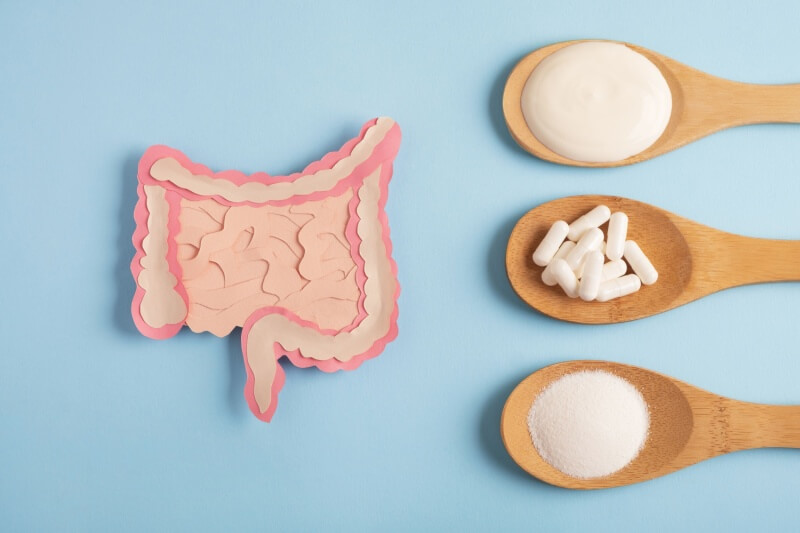
- stimulating immune cells
- promoting antibody production
However, the effectiveness of probiotics may vary depending on the strains used and individual health conditions.
Probiotic strains that have been shown to improve immune reactions in humans include Lactobacillus rhamnosus, Lactobacillus plantarum, Lactobacillus paracasei and Bifidobacterium bifidum.
Myth: Immune boosters from natural sources are always safe.
Natural rather than synthetically formulated, health supplements offer lower risks for allergies and negative side effects.
However, whether or not it’s safe would depend on several factors, such as age, pregnancy or breastfeeding status, and existing health conditions.
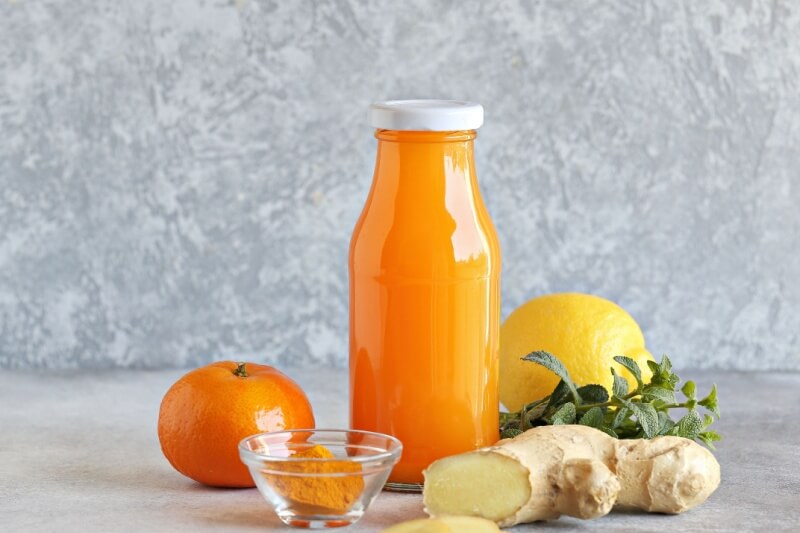
It’s also important to know that although the product’s active ingredients are naturally sourced, it may contain fillers, preservatives, artificial sweeteners, colourings, or flavourings that could trigger undesirable reactions.
Fact: Immune boosters may interact with medications.
Some dietary supplements, including immune boosters, may affect the absorption, metabolism, or excretion of a medication.
If this occurs, the person may end up with too much or too little of the medication.
Children are particularly at risk for medicine-supplement interactions because they metabolise substances at different rates as they grow older.
Always seek expert advice before giving any supplement or medicine to your child.
Myth: Children need immune booster supplements to develop a strong immune system.
While vitamins and minerals are essential for healthy growth, kids do not need immune booster supplements.
Especially if they eat a well-balanced diet that includes plenty of fruits, veggies, lean meats, and whole grains.
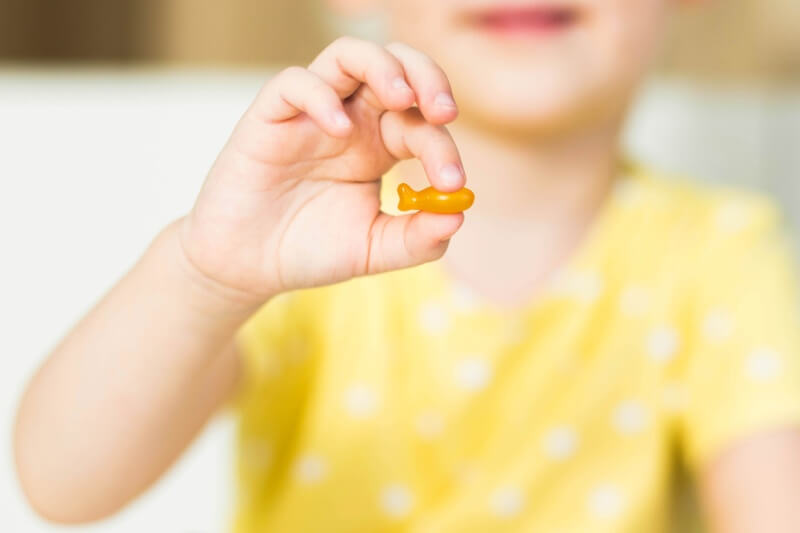
Your healthcare professional may recommend a supplement if your child is a picky eater or suffers from a condition that impairs their ability to absorb nutrients.
Source: Nazatul Amira Hamzah, Pharmacist at Primabumi Sdn Bhd
Disclaimer: The information provided in this article is for informational purposes only and should not be considered as medical advice from Motherhood. For any health-related concerns, it is advisable to consult with a qualified healthcare professional or medical practitioner.
For more insightful stories and fun recipes, stay tuned to Motherhood Story!