

For many Malaysians, riding a motorcycle or driving to work is part of everyday life. But accidents can happen in an instant due to a sudden stop, a slippery corner, or a distracted driver.
Statistics show just how common these incidents are in Malaysia. Between March 14, 2024, and March 18, 2025, someone died on the road roughly every 1 hour 56 minutes, and a crash occurred about every 50 seconds1.
Beyond road traffic, falls, workplace mishaps, and sports injuries add to the burden.
These often cause musculoskeletal trauma that needs urgent medical attention even if they appear like a minor bump.


Dr Mohamad Hafiz bin Mohmad Hassim, Consultant Orthopaedic & Advanced Musculoskeletal Trauma Surgeon, and Dr Mohd Khalis bin Abdul Rahim, Consultant Emergency Physician at Sunway Medical Centre, Sunway City (SMC) work hand-in-hand to treat such trauma cases.
What do doctors do first in the trauma bay?
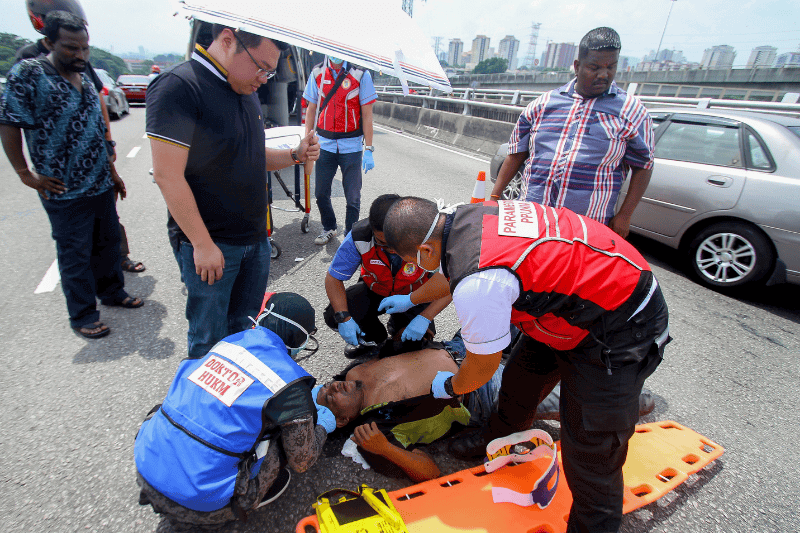
When a trauma patient comes in, we use the ABCDE approach – Airway, Breathing, Circulation, Disability, and Exposure – to detect and treat life-threatening issues first,” says Dr Khalis.
He also says trauma care involves a multidisciplinary team of emergency doctors, general surgeons, neurosurgeons, orthopaedic surgeons, radiologists, anaesthetists, and critical care specialists.
It’s about saving life first, then the limb. If we detect blocked airways, bleeding, or internal injuries, we act immediately sometimes even before scans are done.
– Dr Khalis
Once stabilised, Dr Hafiz steps in.
In trauma, you don’t have the luxury of time. You assess the patient, perform the necessary scans, stabilise them, and decide on the next steps quickly. Communication between teams is crucial. Everyone needs to move in sync.
– Dr Hafiz
Dr Hafiz says trauma cases range from fractures to complex joint injuries, often involving motorcyclists.
“Some injuries, like open fractures or compartment syndrome, require urgent surgery. Others, like in children or high-risk elderly, may be managed conservatively.
A good surgeon knows how to operate; a great one knows when not to.”
“Many patients underestimate their injuries. You may look fine outside but still have internal damage. A simple check-up can save your life,” adds Dr Khalis.
How do scans help doctors treat trauma faster?
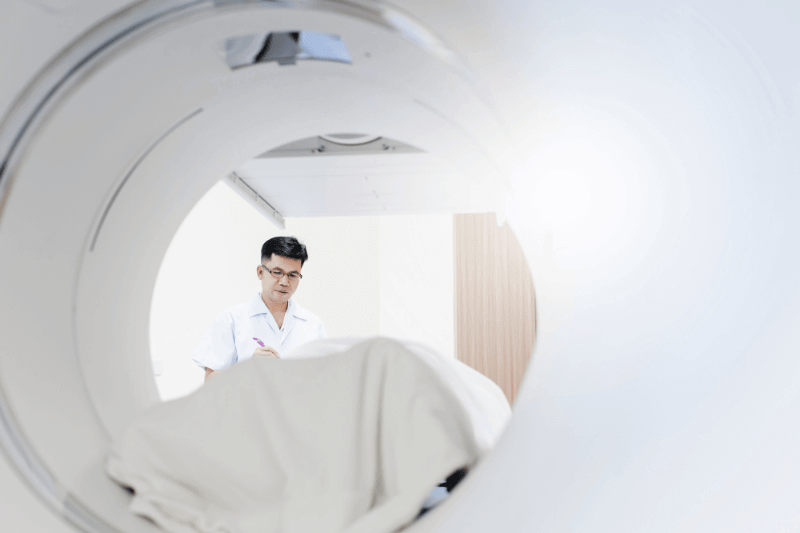
In the past, trauma teams had to rely heavily on physical exams and plain X-rays.
Today, imaging technology has transformed that process.
Scans can be performed within minutes, giving doctors a complete picture before they make critical decisions.
Dr Hafiz explains that most cases start with a basic X-ray, followed by CT scans to understand the fracture’s complexity and MRI for soft tissue injuries.
With 3D imaging, we can plan surgery more accurately, choose the right implants, and reduce complications and its fast.
– Dr Hafiz
Dr Khalis adds that imaging doesn’t stop at diagnosis.
“Interventional radiologists now play a vital role too.
They can stop internal bleeding without open surgery, which gives the patient a much better chance of survival before we proceed with definitive treatment.”
Is surgery the hardest part of recovery?
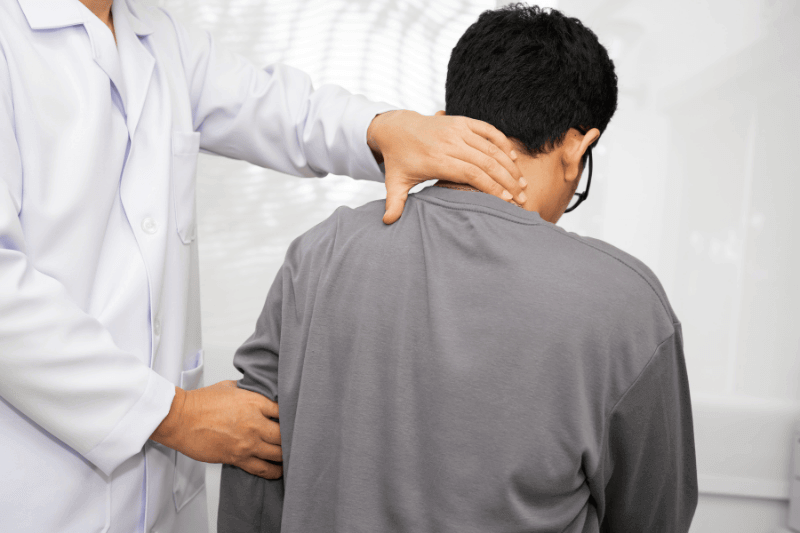
Recovery from orthopaedic trauma doesn’t end in the operating theatre.
“Many think the surgery is the hardest part, but half of recovery depends on physiotherapy and rehabilitation,” says Dr Hafiz.
“If patients skip these steps, their joints can stiffen, muscles waste away, and function is lost.”
He adds that early movement is just as important.
“Physiotherapy can begin as soon as one or two days after surgery. It helps prevent stiffness and builds strength so patients can return to normal activity sooner.”
If I witness an accident, what should I do first?
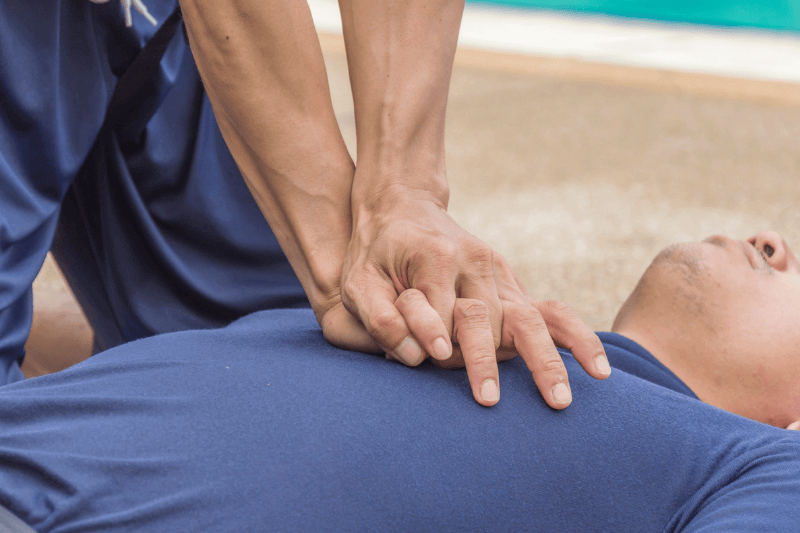
If you witness an accident, always ensure your own safety first.
Dr Hafiz and Dr Khalis stress that you should move away from oncoming traffic and assess the scene before helping others.
Call 999 immediately. If someone is bleeding heavily, apply firm pressure using a clean cloth or bandage.
If you’re trained in CPR, use it when the person is unconscious and isn’t breathing. If you’re not, focus on keeping them still, calm, and breathing, that alone can make a difference.
– Dr Khalis
Can injuries actually be prevented?
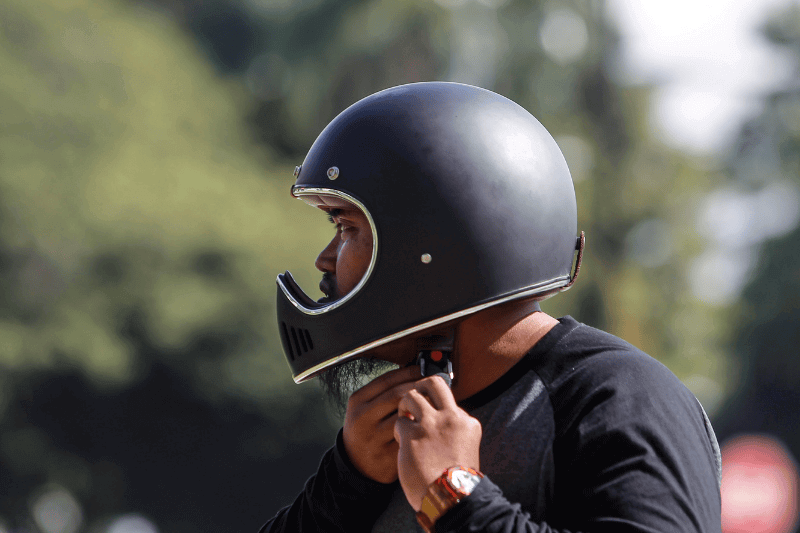
Both doctors agree that prevention remains the best form of trauma care.
Something as simple as wearing a proper helmet or fastening a seatbelt can cut injuries by half. However, these basic safeguards, along with children’s car seats, are still ignored by many.
– Dr Khalis.
“And don’t forget regular vehicle maintenance; faulty brakes or tyres can turn a normal trip into tragedy.”
He adds that cyclists and motorcyclists should ride cautiously.
“Avoid speeding or weaving through traffic. High speed increases the risk of severe trauma.”
While accidents are unpredictable, teamwork, faster emergency response, and a strong focus on quality improvement help hospitals deliver higher patient satisfaction and safer outcomes, turning moments of crisis into recoveries.
Reference:
1. https://www.straitstimes.com/asia/se-asia/1-person-dies-every-2-hours-in-a-road-accident-in-malaysia-official-statistics-show
Disclaimer: The information provided in this article is for informational purposes only and should not be considered as medical advice from Motherhood. For any health-related concerns, it is advisable to consult with a qualified healthcare professional or medical practitioner.
For more insightful stories and fun recipes, stay tuned to Motherhood Story!