

The next few minutes are going to be an honest conversation. Have you ever felt like your body was just… off?
No matter what you do, nothing feels comfortable, and somehow you end up being labelled “uptight” when the truth is you’re just constipated.
Constipation isn’t exactly a glamorous topic.
It’s the kind of thing you Google quietly, whisper about in passing even to your partner, or worry over during dinner when your little one won’t eat and hasn’t gone in days.
Or worse, when YOU haven’t either.
The thing is, constipation might happen to someone at some point, in some phase of life. Infants. Children. Pregnant mums. Breastfeeding mothers. Busy adults running on too much coffee and pure adrenaline.
Not ideal, but very human. And most of the time, it’s simply the body asking for a little more tender loving care (TLC).
When Your Body Feels a Little… Offbeat


Constipation starts very quietly.
For our children1, it might look like a baby straining uncomfortably, a toddler suddenly refusing to sit on the toilet, or a school-aged child holding it in2 because they don’t like unfamiliar bathrooms.
In pregnant mummies, it can feel like constant bloating and heaviness3 (more than the usual pregnancy symptoms).
For adults, like you and me, it’s that sluggish, uncomfortable feeling that lingers through the day and messes with your mood, and suddenly you are extremely irritable4.
What links all of these moments together isn’t just age or diet alone, but the rhythm of our lives. Our gut thrives on routine; it likes knowing what to expect and when to expect it.
Changes in hormones, hydration, stress levels, movement, or daily schedules can easily throw that rhythm off5.
When things slow down, stools become harder to pass, and you’re stuck dealing with discomfort all day long.
Why Constipation Shouldn’t Be Ignored

Unfortunately, constipation is often being brushed aside.
“It’ll pass. It’s probably nothing – just ate something wrong.”
But when it lingers, it affects more than just the gut.
Adults and children both begin adjusting without realising it – eating less to avoid discomfort, holding back because going feels unpleasant, or pushing through the day feeling slightly off-balance.
Over time, this disruption starts to interfere with daily flow6, and the domino effect slowly shows.
Left unattended, something that seems small at the start can quietly eat into your overall wellbeing7. That’s why gentle, early support is important to help the body find its rhythm again.
Gently Regulate Your Gut’s Rhythm with Duphalac®
For many families, restoring balance starts with everyday habits.
These habits usually include drinking enough water, eating fibre-rich foods such as beans, fruits and vegetables, and incorporating a more active lifestyle. Creating relaxed, consistent toilet routines, especially for children.
But life isn’t always perfectly balanced because hormones fluctuate and routines change.
Sometimes, even with all the “right” habits, the gut still needs a little extra help.


This is where a gentle option like Duphalac®8 can support the process.
Duphalac® works by drawing water into the stool, helping to soften it so bowel movements are easier and more comfortable. Rather than forcing the gut, it supports it.
What sets it apart is its prebiotic effect, because unlike probiotics, which introduce new bacteria into the gut, prebiotics nourish the good bacteria already living there.
By feeding these beneficial bacteria, prebiotics help support a healthy gut environment and encourage regular bowel movements over time.
Duphalac® also has no added preservatives, making it suitable for a wide range of users, including infants, children, pregnant women, and breastfeeding mothers.
It is non-habit-forming, meaning it won’t cause dependency and can be used safely for longer periods when needed.
Its mild, honey-like taste also makes it easier to take, particularly for children who are sensitive to flavours.
Knowing the right dosage of Duphalac® is important for safety, and with proper use, Duphalac® can help relieve constipation in people of all ages.
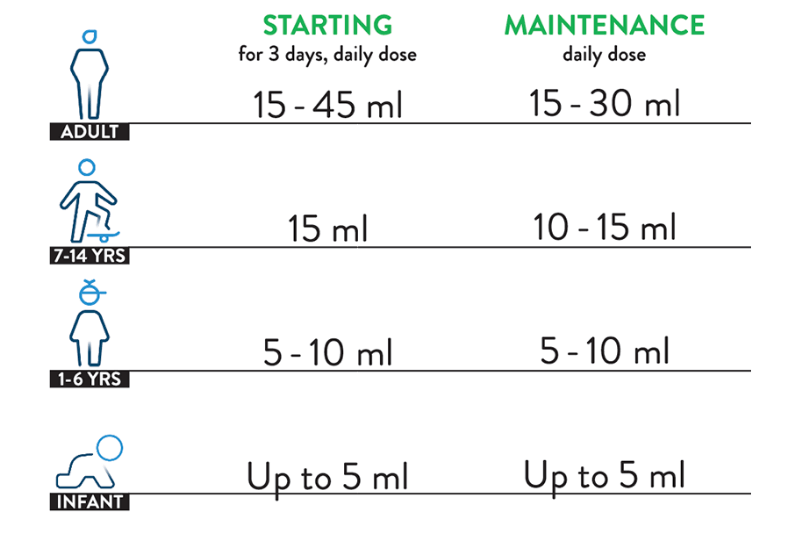


If constipation has been quietly affecting comfort or daily flow, it may simply be time to offer the body a little extra support.
Paired with those simple lifestyle adjustments, a gentle option like Duphalac can help ease things back into balance without urgency or force.
At any age or stage, restoring comfort to your body doesn’t have to feel overwhelming.
Duphalac® is available at leading pharmacies, making gentle support easy to access when it’s needed because sometimes, feeling better starts with listening to the body and responding with care.
Visit Duphalac®‘s official website for more information today!
References:
1. Tabbers MM et al. J Pediatr Gastroenterol Nutr. 2014;58(2):258-274.
2. Allen P et al. Pediatric Functional Constipation. In: StatPearls [Internet]. Treasure Island (FL): StatPearls Publishing. Available from: http://ncbi.nlm.nih.gov/books/NBK537037/.
Accessed Apr 2026.
3. Salari N et al. BMC Pregnancy Childbirth. 2024; 24(1):836.
4. Wlodarczyk J et al. J Clin Med. 2021;10(8):1738.
5. Lai S et al. J Neurogastroenterol Motil. 2024;30:322-331.
6. Liu LW. Can J Gastroenterol. 2011;25 Suppl B(Suppl B):22B-28B.
7. Constipation: Causes & Symptoms. NIDKK. Available from: https://niddk.nih.gov/health-information/digestive-diseases/constipation.
Accessed Apr 2026.
8. Duphalac® Malaysia PI, Aug 2024.
KKLIU 1504 / EXP 31.12.2028
Disclaimer: The information provided in this article is for informational purposes only and should not be considered as medical advice from Motherhood. For any health-related concerns, it is advisable to consult with a qualified healthcare professional or medical practitioner.
For more insightful stories and fun recipes, stay tuned to Motherhood Story!