



A gestational diabetes diagnosis can bring plenty of questions for expectant mothers. What does it mean for your pregnancy? Do you need to change your diet? Will your baby be affected? And does the condition go away after giving birth?
Gestational diabetes mellitus (GDM) is a type of diabetes that develops during pregnancy. It occurs when the body cannot produce or use insulin effectively enough to keep blood glucose levels within a healthy range. Although it often improves after delivery, managing it during pregnancy and attending follow-up checks afterwards are important for both mother and baby.
During Motherhood’s New Mom Webinar, Navigating Gestational Diabetes for a Healthy Pregnancy, Ms Carmen Ng, Diabetes Educator from Gleneagles Hospital Kuala Lumpur, shared practical guidance on understanding the condition, managing blood sugar levels and navigating the different stages of pregnancy with greater confidence.
One of her most important reminders was that gestational diabetes is not a personal failure. With appropriate screening, monitoring and medical support, mothers can take practical steps to manage the condition throughout pregnancy.


1. What Causes Gestational Diabetes During Pregnancy?
Gestational diabetes develops when pregnancy-related hormones affect the way insulin works.
The placenta produces hormones that support the baby’s growth and development. However, these hormones can also make the mother’s body less responsive to insulin, a condition known as insulin resistance. When insulin cannot work effectively enough, glucose builds up in the bloodstream.
As pregnancy progresses, insulin resistance can become more pronounced because placental hormone levels increase. This is one reason why blood sugar levels may become more difficult to manage later in pregnancy.
Ms Carmen explained that gestational diabetes is a temporary pregnancy-related condition, but it is not something mothers should blame themselves for.
Certain factors may increase the likelihood of developing gestational diabetes, including:
- Age: Being 25 years old or above.
- Family history: Having close relatives, including grandparents, with diabetes.
- Higher pre-pregnancy BMI: Being overweight or having obesity before pregnancy.
- Previous gestational diabetes: Having been diagnosed with GDM during an earlier pregnancy.
- Previous large baby: Having delivered a baby weighing more than 4 kg.
- Polycystic ovary syndrome (PCOS): Having a history of PCOS.
However, having none of these risk factors does not mean you cannot develop gestational diabetes. It can also occur in mothers who are otherwise healthy and have no obvious risk factors.
2. What Are the Symptoms of Gestational Diabetes?
One of the challenges with gestational diabetes is that it may not cause noticeable or distinctive symptoms. Some possible signs can also overlap with common pregnancy experiences.
During the webinar, Ms Carmen discussed symptoms and possible clues such as:
- Frequent urination: Needing to pass urine more often than usual.
- Increased thirst: Feeling unusually thirsty.
- Tiredness: Experiencing fatigue, including after meals.
- Rapid weight gain: Gaining weight more quickly than expected during pregnancy.
- Frequent infections: Experiencing recurring infections, such as urinary tract infections.
- Sweet cravings: Noticing stronger cravings for sweet foods.
- Dizziness or cold sweats: Experiencing symptoms that may have several possible causes.
However, these signs do not confirm gestational diabetes. Frequent urination and tiredness, for example, can also occur during an otherwise uncomplicated pregnancy.
A urine test showing glucose or an elevated home blood sugar reading is not enough on its own to establish a diagnosis either. Proper screening and assessment by a healthcare professional are necessary.
If you notice unusual symptoms or have concerns about your blood sugar, discuss them with your doctor rather than trying to diagnose the condition yourself.
3. When Should You Get Tested for Gestational Diabetes?
Screening is important because gestational diabetes may develop without obvious symptoms.
Ms Carmen explained that routine screening is generally carried out from around 24 weeks of pregnancy. Mothers with certain risk factors may be advised to undergo testing earlier, followed by another test later in pregnancy.
The timing depends on the individual’s health, pregnancy history, test results and the doctor’s assessment.
What Is an Oral Glucose Tolerance Test (OGTT)?
The oral glucose tolerance test (OGTT) is the standard test discussed during the webinar for identifying gestational diabetes.
During the test, you will be asked to drink a glucose solution before your blood sugar is measured at specified intervals. Your healthcare team will explain how to prepare and what to expect.
If you vomit during the test, Ms Carmen advised that it would need to be repeated. Speak to your doctor about the next steps, particularly if morning sickness makes it difficult to complete the test.
It is also worth remembering that having gestational diabetes in one pregnancy does not automatically mean you will develop it again in your next pregnancy. Nevertheless, every pregnancy requires appropriate screening based on your doctor’s advice.
4. How Can You Manage Gestational Diabetes Through Food and Exercise?
A gestational diabetes diagnosis does not mean you need to stop eating carbohydrates or follow an extremely restrictive diet.
Instead, balanced meals, appropriate portions and regular physical activity can help support healthier blood sugar levels.
Follow a Balanced Plate Approach
Ms Carmen recommended a balanced plate consisting of:
- Half a plate of non-starchy vegetables: Include vegetables that provide fibre and help slow digestion.
- One-quarter lean protein: Choose options such as eggs, chicken or other suitable protein sources.
- One-quarter complex carbohydrates: Include appropriate portions of carbohydrate sources that provide a more gradual release of energy.
She also encouraged mothers to eat smaller, more frequent meals rather than relying on large portions at one time.

Choose Snacks Carefully
Snacks can form part of a balanced eating routine. During the webinar, Ms Carmen shared examples such as a small apple, a slice of papaya, a few berries, Greek yoghurt with a modest portion of fruit, bread or a sandwich.
She also suggested checking the ingredients of packaged foods, salad dressings and drinks, as some may contain added sugar or carbohydrates that affect blood glucose readings.
Whole fruit is generally a better choice than fruit juice in this context because juice can deliver sugar more quickly.
These examples are not a fixed meal plan. Your portion sizes and food choices should be tailored to your blood sugar readings, nutritional needs and advice from your healthcare team.
Stay Active with Pregnancy-Appropriate Exercise
Physical activity can help the body use insulin more effectively.
Ms Carmen suggested walking, pregnancy yoga and other suitable activities, with a general goal of around 30 minutes of activity a day. If that feels difficult, shorter sessions, such as 10 minutes after meals, may be easier to fit into your routine.
Always choose activities that are appropriate for your pregnancy and check with your doctor before starting or changing an exercise routine.
5. How Often Should You Check Your Blood Sugar?
Blood sugar monitoring helps mothers and their healthcare teams understand how the body responds to food, activity and the changing demands of pregnancy.
Ms Carmen explained that some mothers may be asked to check their blood sugar four times a day, while others may need up to six checks, depending on their doctor’s instructions.

Monitoring may include fasting readings and checks after meals. The timing and targets can differ between hospitals and individual care plans.
During the webinar, Ms Carmen shared the following blood sugar targets:
- Fasting: Below 5.3 mmol/L.
- One hour after a meal: Below 7.8 mmol/L.
- Two hours after a meal: Below 6.7 mmol/L.
These were the targets discussed during the session, not universal targets for every pregnancy. Follow the specific ranges and testing schedule given by your doctor.
Keep a Record of Your Readings
Keeping a record of blood sugar readings alongside your meals and physical activity can help identify patterns.
For example, your healthcare team may be able to see whether certain meals, activity levels, stress or testing times are influencing your results.
Ms Carmen also shared practical tips for finger-prick testing:
- Wash your hands with soap and water, then dry them thoroughly.
- If you cannot wash your hands while outside, use an alcohol wipe and allow the area to dry.
- Massage your hand before taking the sample.
- Avoid squeezing your finger too hard after pricking it.
Some mothers may also be suitable for continuous glucose monitoring (CGM), which uses a sensor worn on the arm to track glucose levels.
However, a monitoring device does not replace professional guidance. Ask your doctor or diabetes educator whether it is appropriate for your needs.
If you notice repeated high readings over two or three days, Ms Carmen advised contacting your doctor rather than waiting until your next scheduled appointment. Do not stop monitoring or change your testing schedule without medical advice.
6. Will Gestational Diabetes Affect Your Baby or Delivery?
When blood sugar remains high, extra glucose can cross the placenta and affect the baby’s growth.
Ms Carmen explained that the baby may receive more glucose than needed, potentially leading to excessive growth. A larger baby can make vaginal delivery more difficult and may increase the risk of birth complications, including shoulder injury.
Other possible concerns include:
- Maternal complications: Poorly controlled blood sugar can be associated with high blood pressure and pre-eclampsia.
- Excessive fetal growth: The baby may grow larger than expected, which can affect delivery planning.
- Low blood sugar after birth: The baby may experience low blood glucose after delivery as they adjust to no longer receiving extra glucose from the mother.
- Longer-term health risks: Ms Carmen also discussed possible increased risks of obesity and diabetes for the child later in life.
These are potential complications, not outcomes that every mother or baby with gestational diabetes will experience. Appropriate monitoring and treatment help the healthcare team assess and manage individual risks.
Does Gestational Diabetes Mean You Need a Caesarean Section?
Not necessarily.
A gestational diabetes diagnosis does not automatically mean you cannot have a vaginal birth. Ms Carmen explained that when blood sugar is well controlled, the baby is not growing excessively and scans are reassuring, vaginal delivery may remain an option.
Your doctor will consider several factors when discussing the timing and method of delivery, including your blood sugar control, the baby’s growth and scan results. Induction or a planned Caesarean section may be recommended in some circumstances.
The decision should always be made with your maternity team based on your individual pregnancy.
7. Does Gestational Diabetes Go Away After Giving Birth?
Gestational diabetes often improves after the placenta is delivered because pregnancy-related hormones that affect insulin sensitivity decrease.
However, this does not mean mothers can skip their postpartum checks.
Ms Carmen explained that babies born to mothers with gestational diabetes may be monitored for low blood sugar during the first 24 to 48 hours after birth.

Mothers should also attend follow-up testing. An oral glucose tolerance test is commonly recommended around six weeks after delivery, although the exact testing plan may vary depending on the hospital or doctor’s advice. Some mothers may also be asked to undergo an HbA1c test or other blood investigations.
Why Is Long-Term Blood Sugar Screening Important?
Having gestational diabetes can increase a mother’s future risk of developing type 2 diabetes.
Ms Carmen highlighted the importance of continued screening after pregnancy and recommended regular blood sugar checks, including annual screening where appropriate.
She also discussed breastfeeding, maintaining a healthy weight and staying physically active as ways to support longer-term health.
Breastfeeding may support maternal insulin sensitivity and metabolism. However, mothers who are unable to breastfeed should not blame themselves. There are other ways to work towards healthier habits and manage future health risks with professional support.
Managing Gestational Diabetes Starts with the Right Support
A gestational diabetes diagnosis can feel overwhelming, especially when you are already navigating the physical and emotional changes of pregnancy. However, it does not mean you have failed or that your pregnancy will necessarily be complicated.
As Ms Carmen shared during the New Mom Webinar, understanding the condition, attending recommended screenings, monitoring blood sugar and making manageable lifestyle adjustments can help mothers navigate the journey with greater confidence.
Most importantly, do not try to manage gestational diabetes based on general advice alone. Work closely with your doctor and diabetes educator to understand your results, follow an appropriate care plan and prepare for the weeks ahead.
With the right information and support, you can take informed steps to care for yourself and your growing baby.
Source: Ms Carmen Ng, Diabetes Educator from Gleneagles Hospital Kuala Lumpur
Get Ready for Your Little One’s Arrival!
Preparing to become a parent? Join our Parentcraft Class Workshops to learn essential knowledge and practical skills for childbirth, newborn care and your journey into parenthood.


Register for Parentcraft Class Workshops: https://www.motherhood.com.my/event/parentcraft-class
Parenting Knowledge, Guidance and Support – Just for You!
Whether you’re expecting a baby or adjusting to life as a new parent, join our New Mom Webinar Series to learn from healthcare professionals and experienced experts. Explore topics covering pregnancy, breastfeeding, newborn care, child health and more.
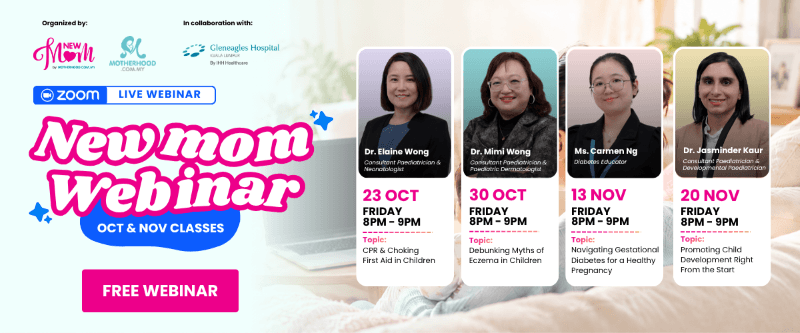

Explore Upcoming New Mom Webinars: https://www.motherhood.com.my/event/newmom-webinar
Stay Connected with Motherhood!
Get helpful parenting tips, expert advice, pregnancy updates, family news and more, delivered straight to your WhatsApp.


Join our community and stay informed throughout your parenting journey. Follow Motherhood’s WhatsApp Channel and Facebook Channel now!
Disclaimer: The information provided in this article is for informational purposes only and should not be considered as medical advice from Motherhood. For any health-related concerns, it is advisable to consult with a qualified healthcare professional or medical practitioner.
For more insightful stories and fun recipes, stay tuned to Motherhood Story!