
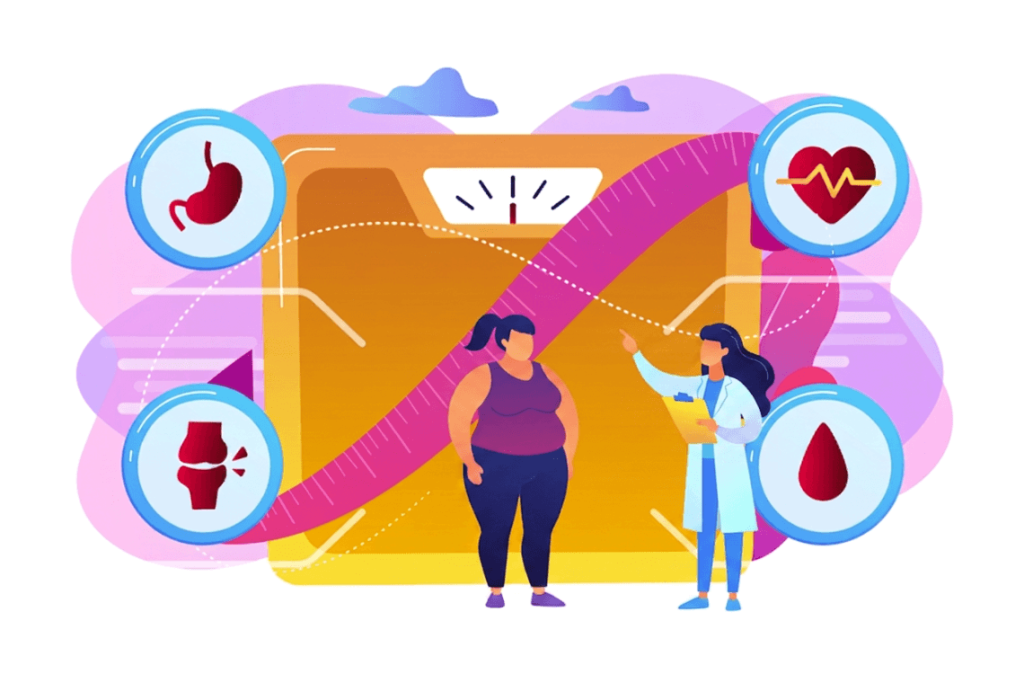
When it comes to obesity, the conversation often centres on one number: the number on the weighing scale.
But as Dr Reynu Rajan, Consultant Upper Gastrointestinal & Bariatric Surgeon, explains, weight is only one part of a much bigger picture.


Obesity is influenced by genetics, hormones, brain chemistry, metabolism, our environment and many other factors. For people living with obesity, simply being told to “eat less” or “try harder” may overlook the biological and environmental factors that can make weight management challenging.
More importantly, excess weight can affect a person’s health in ways that are not always visible.
From visceral fat and metabolic health to diabetes, high blood pressure, sleep problems and fatty liver disease, understanding obesity as a chronic disease can help shift the conversation away from blame and towards appropriate treatment and support.
To help us understand obesity, its potential health risks and the treatment options available today, we spoke to Dr Reynu Rajan, Consultant Upper Gastrointestinal & Bariatric Surgeon.
Q1: At the Novo Nordisk event, obesity was discussed as a chronic disease rather than just a matter of willpower. Why is this message important?
Dr Reynu Rajan: One of my favourite lines is this: “If obesity were simply about willpower, nobody would choose to struggle.”
We don’t blame someone for having asthma or hypertension. We don’t tell someone with diabetes to “just try harder”. Yet many people living with obesity hear exactly that every day.
Obesity is a chronic disease influenced by genetics, hormones, brain chemistry, metabolism, our environment and many other factors. Willpower certainly plays a role, but it is only one small piece of a much bigger puzzle.
As Malaysians, we also need to acknowledge our culture. Food is how we celebrate weddings, birthdays, Hari Raya, Deepavali, and Chinese New Year; even saying “thank you” often involves food! So, telling someone to simply “eat less” is like telling a fish to avoid water.
The moment we stop blaming people and start understanding the disease, we replace judgement with compassion, and that’s when real treatment begins.
Q2: One point that stood out was looking beyond the weighing scale. What should people understand about weight, body fat and overall health?
Dr Reynu Rajan: The weighing scale only tells you one thing – your weight. It doesn’t tell you where the fat is. That’s the important part.
I always tell my patients, “The bathroom scale is like checking your bank account balance. It tells you the number, but not where the money went.”
The dangerous fat is often the fat we cannot see, such as fat around the liver, pancreas, heart and other organs. We call this visceral fat.
Two people can weigh exactly the same, yet one may be metabolically healthy while the other has diabetes, fatty liver and high blood pressure.
So instead of asking, “How heavy am I?” perhaps we should ask, “How healthy am I?” That’s a much better question.
Q3: When does weight become a medical concern that someone should speak to a doctor about?
Dr Reynu Rajan: Don’t wait until your weight reaches a certain number. Speak to a doctor if your weight is beginning to affect your health or your quality of life.
Maybe you’re developing diabetes. Maybe your blood pressure is increasing. Maybe you snore loudly, stop breathing during sleep, have knee pain, fatty liver or severe acid reflux.
Or maybe climbing one flight of stairs now feels like climbing Genting Highlands.
Those are signs your body is asking for help. The earlier we intervene, the simpler and more successful treatment usually is.
Q4: What are some signs that excess weight may already be affecting a person’s health?
Dr Reynu Rajan: Sometimes obesity whispers before it shouts.
People may notice:
- Constant fatigue
- Loud snoring or poor sleep
- Knee or back pain
- Breathlessness
- Acid reflux
- Fatty liver
- High blood pressure
- Diabetes or pre-diabetes
Many patients tell me, “Doctor, I thought I was just getting older.”
Actually, many of these symptoms improve significantly when obesity is properly treated. The body is remarkably forgiving once we remove the burden it’s carrying.
Q5: Why do some people struggle to lose weight even when they are trying to eat better or exercise more?
Dr Reynu Rajan: Because our bodies are smarter than we think.
When we lose weight, our body doesn’t always celebrate. Sometimes it panics. It produces hormones that make us hungrier and slows down our metabolism to conserve energy.
It’s almost like your body thinks, “Food is running out; we need to survive.”
That’s why many people regain weight after dieting.
This isn’t laziness. This isn’t weakness. It’s biology.
That’s why obesity treatment isn’t simply about telling someone to eat less and move more. We need to work with the body’s biology instead of constantly fighting against it.
Q6: What treatment options are available today for people living with obesity?
Dr Reynu Rajan: The good news is that we now have more options than ever before.
Treatment is never one-size-fits-all.
For some people, lifestyle modification involving healthier eating habits, increased physical activity and behavioural support may be enough.
Others may benefit from medications, which include oral tablets as well as injectable treatments. One exciting development is that many injectable medications are now given once a week instead of every day, making treatment much more convenient.
For selected patients, an intragastric balloon can be used as a temporary tool to help with weight loss.
And for those with more severe obesity or obesity-related diseases, bariatric or metabolic surgery remains one of the most effective long-term treatments.
I always tell patients, “The best treatment isn’t the newest treatment. It’s the treatment that’s right for you.”
Q7: How do doctors decide whether a patient needs lifestyle support, medication, surgery or a combination of treatments?
Dr Reynu Rajan: We don’t just treat a BMI. We treat a person.
Every consultation is personalised. We look at:
- overall health
- medical conditions
- body composition
- eating behaviour
- previous weight-loss attempts
- medications
- lifestyle
- and, most importantly, the patient’s own goals.
Sometimes lifestyle changes are enough. Sometimes medication is appropriate. Sometimes surgery offers the greatest health benefit.
Often, the best results come from combining several approaches.
It’s like building a house. You don’t decide whether you need a hammer before you know what you’re building.
Q8: As a bariatric and metabolic surgeon, when would you recommend surgery as part of obesity treatment?
Dr Reynu Rajan: People often think surgery is the last resort. I prefer to think of it as the right treatment for the right patient at the right time.
If someone has severe obesity together with conditions like diabetes, obstructive sleep apnoea, fatty liver disease, hypertension or debilitating joint disease, surgery may provide the greatest improvement in health and quality of life.
Bariatric surgery isn’t cosmetic surgery. It is metabolic surgery.
Yes, patients lose weight. But what excites me even more is seeing blood sugars improve, blood pressure reduce, fatty liver recover and people getting their lives back.
The greatest success isn’t losing kilograms. It’s gaining years of healthy life.
Q9: What are some common misconceptions people have about bariatric or metabolic surgery?
Dr Reynu Rajan: There are many.
The biggest myth? “Surgery is the easy way out.”
I usually smile and say, “Trust me, nobody chooses an operation because it’s the easy option.”
Patients still have to change their eating habits, exercise regularly and attend long-term follow-up.
Surgery is a powerful medical tool – not magic.
Another misconception is that surgery is only about looking slimmer.
In reality, it is about improving health, reducing complications and helping people live longer and better.
Q10: For someone who feels ashamed or nervous to seek help for their weight, what would you say to them?
Dr Reynu Rajan: I’d say this:
Please don’t let shame delay treatment. You deserve healthcare just like anyone else.
Your first appointment isn’t an exam. Nobody is there to scold you. We’re there to understand your journey and help you find a path forward.
And perhaps the message I hope every Malaysian remembers is this:
“You are not defined by your weight. You are defined by your courage to take the first step.”
Because the hardest step is often not losing weight. It’s opening the clinic door.
Once you’ve done that, we walk the journey together.
Disclaimer: The information provided in this article is for informational purposes only and should not be considered as medical advice from Motherhood. For any health-related concerns, it is advisable to consult with a qualified healthcare professional or medical practitioner.
For more insightful stories and parenting advice, stay tuned to Motherhood Story!