
Feel like you’re spending lots of time in the bathroom these days?
Well, you know you’re pregnant when you can’t make it through a movie without pausing for a bathroom break—twice.
Or when a quick trip to the shops turns into a frantic search for the nearest toilet.
Don’t worry, you’re not alone!
Frequent urination is one of those universal pregnancy quirks that no one really talks about—until you’re going through it.
So, why exactly does your bladder feel like it’s working overtime, and is there any way to catch a break?
Let’s dive into the science behind this and ease those bladder woes!
Why Do Pregnant Women Pee So Much

One of the earliest signs of pregnancy can be more frequent trips to the toilet, and this can be a shock if you’re not prepared for it.
According to the NHS, frequent urination is completely normal during pregnancy and usually begins in the first trimester.
While this is perfectly healthy, it can still be a bit of an inconvenience.
But what exactly is behind this constant need to pee?
It turns out that your body starts working overtime right from the get-to-go.
During pregnancy, your blood volume increases significantly, which means your kidneys have to filter more fluid.
Approximately 20–25% of a person’s blood filters through the kidneys and leaves the body as waste or urine.
This additional fluid eventually ends up in your bladder, making you feel like you need to go more often.
Plus, as your baby grows, your uterus expands and puts pressure on your bladder.
So, with all these changes happening, it’s no wonder you can’t seem to catch a break.
First Trimester: The Beginning of Frequent Urination
Right from the first few weeks of pregnancy, your body starts preparing for the months ahead.
One of the earliest changes you’ll notice is an increase in hormone hCG (human chorionic gonadotropin).
This hormone plays a major role in supporting your pregnancy and is responsible for many of the symptoms you experience, including frequent urination.
During this time, your kidneys are working hard to filter more blood than usual, leading to an increased amount of urine.
It might feel like you’re peeing all the time, but this is your body’s way of clearing out waste products efficiently.
The first urination often begins, though it may ease up a little in the second trimester.
Second Semester: A Small Relief
Good news! For many women, the second trimester brings some relief when it comes to bathroom trips.
As your uterus grows, it rises higher in your abdomen, taking the pressure off your bladder—at least temporarily.
This means you may not need to urinate as frequently as you did during the first few months.
However, don’t celebrate too early, because this break is usually short-lived!
This can be particularly bothersome at night, when lying down puts extra pressure on your bladder.
It’s no surprise that many pregnant women report waking up multiple times to use the bathroom during this time.
In fact, nocturia, or the need to urinate frequently at night, is a common complaint during the third trimester.
Other Causes of Frequent Urination in Pregnancy

The growth of your baby and those wild hormonal changes are the primary reasons behind frequent urination.
Besides that, other factors can also contribute to your constant bathroom trips.
These can vary from natural changes in your hydration habits to potential pregnancy-related conditions that require a bit more attention.
Let’s dive into some of these lesser-known causes that might be playing a part.
Increased Fluid Intake

During pregnancy, many women naturally find themselves drinking more water, often due to a combination of increased thirst and the need to stay hydrated.
Since your body is working harder to support your baby, it’s essential to maintain healthy fluid levels to keep things running smoothly.
Your blood volume increases by as much as 50%, which helps supply the growing foetus with essential nutrients.
However, the more water you drink, the more your kidneys process, resulting in—you guessed it—more frequent bathroom visits.
Though it might feel inconvenient, staying hydrated is vital to your health and your baby’s development, so don’t cut back on water.
Instead, focus on timing, such as reducing fluid intake closer to bedtime to minimise nighttime bathroom trips.
Gestational Diabetes

Frequent urination can also be a symptom of gestational diabetes, a condition that some women develop during pregnancy.
According to the NHS, about 1 in 10 women will develop gestational diabetes during pregnancy.
Gestational diabetes occurs when your body isn’t able to produce enough insulin to regulate blood sugar levels effectively.
One common symptom is excessive thirst, which, in turn, leads to increased urination.
While this condition is typically manageable with lifestyle adjustments or medication, it’s crucial to diagnose it early for both your and your baby’s health.
If you notice that you’re not only urinating more but also feeling unusually thirsty or fatigued, it’s a good idea to consult your healthcare provider to rule out gestational diabetes.
Urinary Tract Infections (UTIs)
Pregnancy increases your risk of developing urinary tract infections (UTIs), which are a common cause of frequent urination.
As your body goes through hormonal changes, it can be harder for your urinary tract to fully empty the bladder, which makes it easier for bacteria to grow.
If left untreated, UTIs can lead to more severe kidney infections, which is why it’s important to get treatment as soon as possible.
In fact, pregnant women are at a higher risk for complications from UTIs, which makes early detection and treatment crucial for keeping both you and your baby safe.
Regular check-ups and speaking with your doctor if something feels off can help prevent any issues from escalating.
Tips for Managing Frequent Urination
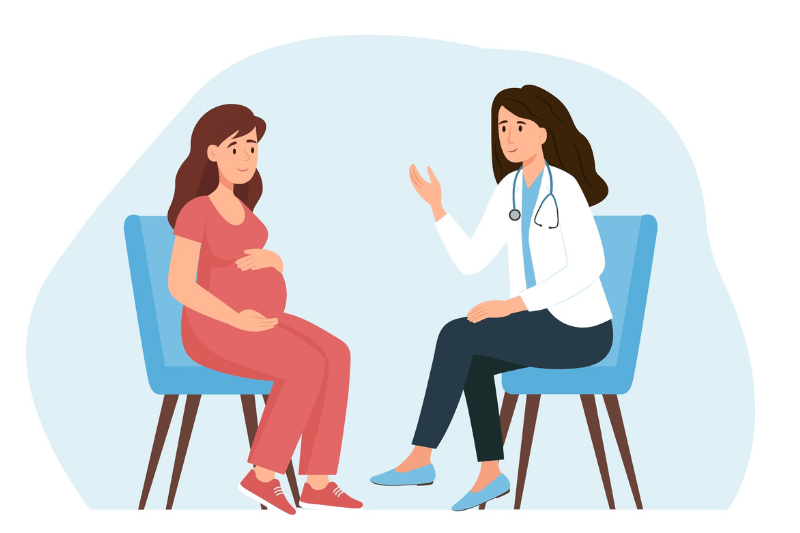
Since increased urine production is part of a normal pregnancy, there aren’t any strategies that can completely resolve frequent urination.
However, there are some things you can do to manage them more effectively.
Let’s find out more about this together.
Stay Hydrated, But Time It Wisely

Staying hydrated is crucial, even if it seems counterintuitive when you’re already peeing so much.
However, as mentioned earlier, it’s all about timing.
Try to drink plenty of water during the day but cut back on fluids a couple of hours before bedtime.
This way, you’re less likely to wake up in the middle of the night for multiple bathroom breaks, which can help you get better rest.
Avoid Caffeine
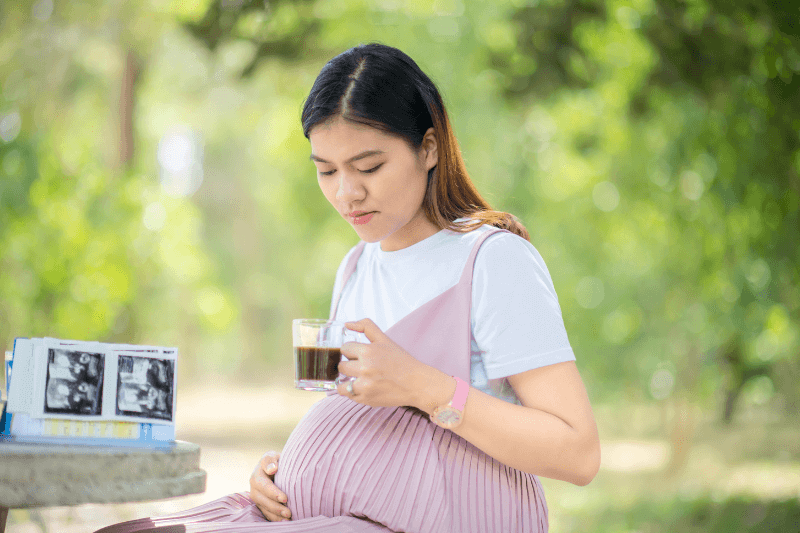
Another helpful tip is to cut back on caffeine.
Caffeinated drinks like coffee and tea act as diuretics, meaning they make you pee even more.
Reducing or avoiding caffeine during pregnancy can help keep the need to urinate at bay.
Plus, it’s a good habit for overall health during this time.
If you love your morning coffee, try switching to a decaf version or opt for a caffeine-free herbal tea to keep yourself hydrated.
Do Pelvic Floor Exercises
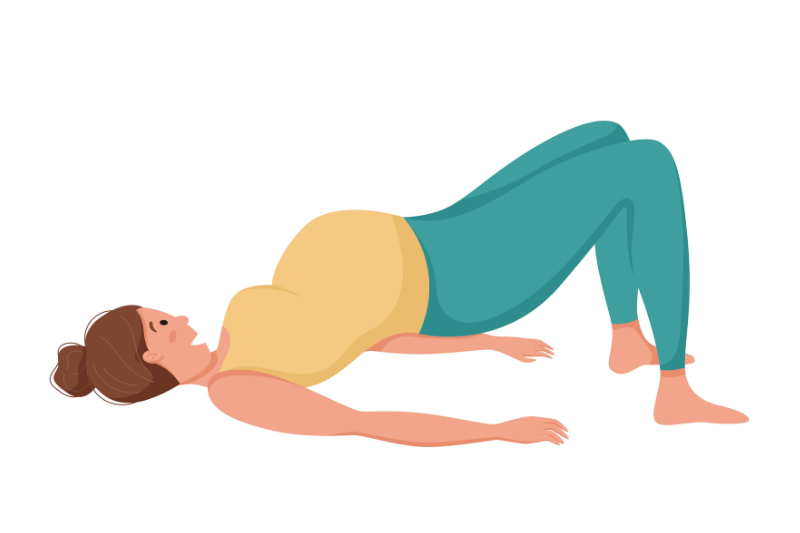
Pelvic floor exercises, also known as Kegels, can work wonders for improving your bladder control.
Tighten your pelvic floor muscles for about 3-5 seconds, then relax for the same amount of time.
Aim for 10-15 repetitions per session, working up to holding the contraction for 10 seconds as your muscles get stronger.
These exercises help strengthen your bladder, which can reduce leaks, especially when you laugh, sneeze, or cough.
Doing Kegels regularly throughout your pregnancy can also help with recovery after childbirth, so it’s a win-win for your body in the long run.
Lean Forward When You Pee
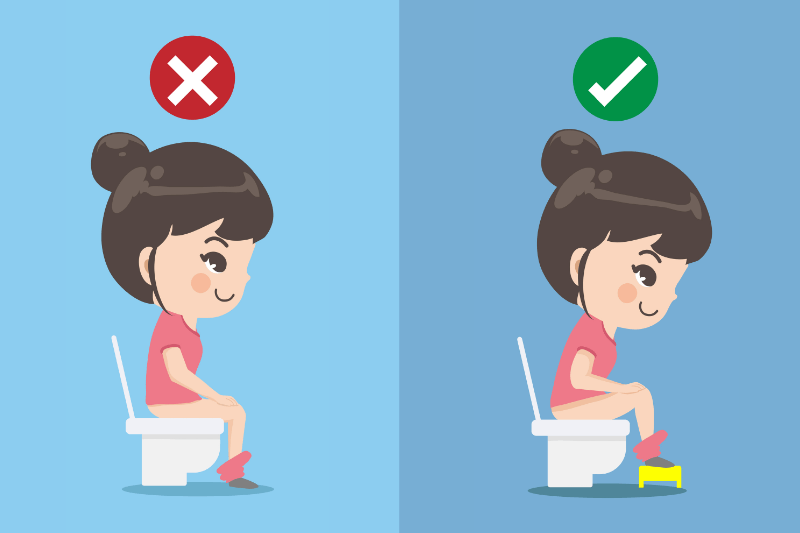
When you’re in the bathroom, lean slightly forward while peeing to fully empty your bladder.
This little trick can make a big difference, as it helps ensure your bladder is completely emptied.
By doing so, you can reduce the number of times you feel like you need to go to the bathroom.
It’s a simple adjustment, but it can provide some much-needed relief.
Is It Normal to Leak Urine During Pregnancy?
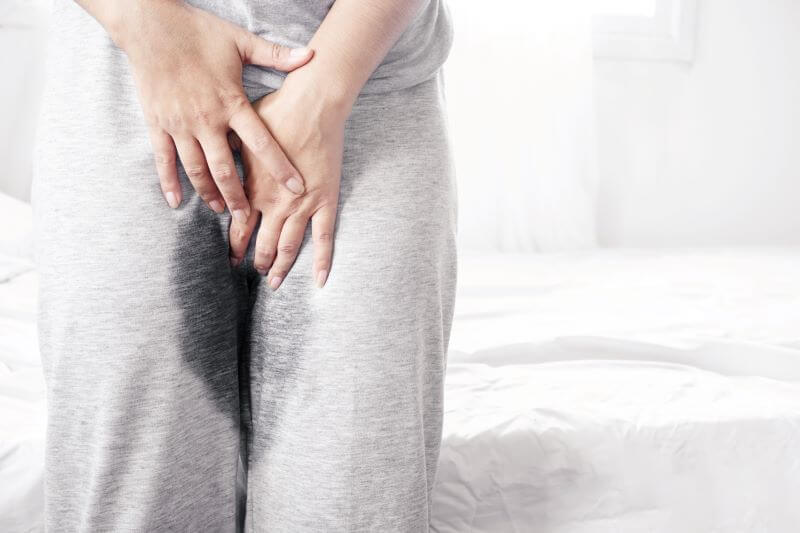
Leaking a little bit of urine during pregnancy is not uncommon, especially when you laugh, sneeze, or cough.
This is known as stress incontinence, and it happens because your pelvic floor muscles are weakened by the pressure of your growing baby.
While it can be uncomfortable and sometimes embarrassing, there are ways to manage it.
Read on ‘Incontinence: The Pregnancy Symptom No One Warns You About (Until It Happens to You)‘ to know more!
The article goes more in-depth about urinary incontinence and tells you everything you need to know about it.
When to Speak to Your Doctor
If you’re pregnant, frequent urination is usually nothing to worry about.
It’s usually just another one of those natural side effects of having a baby.
But sometimes, your bathroom habits can signal something more serious, and that’s when it’s important to get in touch with your doctor.
Pain or Burning During Urination
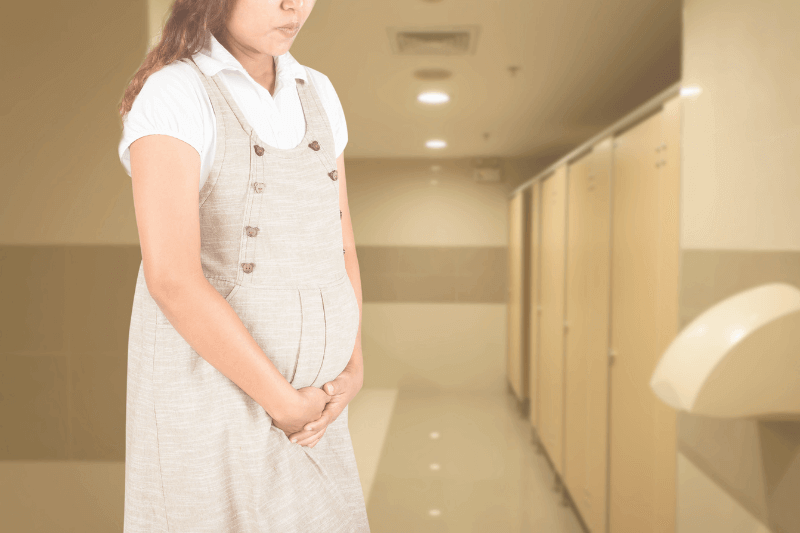
One red flag is if you experience pain or a burning sensation when you pee.
This could be a sign of a urinary tract infection (UTI), which is more common during pregnancy due to hormonal changes and the added pressure on your bladder.
If left untreated, a UTI can lead to more serious complications, so it’s important to get it checked out early.
Cloudy or Strong-Smelling Urine

Cloudy or strong-smelling urine is another thing to watch out for.
It’s important to note that your urine might change slightly due to the vitamins or foods you’re consuming.
However, a significant change in colour or odour could indicate an infection or dehydration.
Both are things that your doctor will want to address to ensure your pregnancy is progressing smoothly.
Feeling Like You Can’t Fully Empty Your Bladder
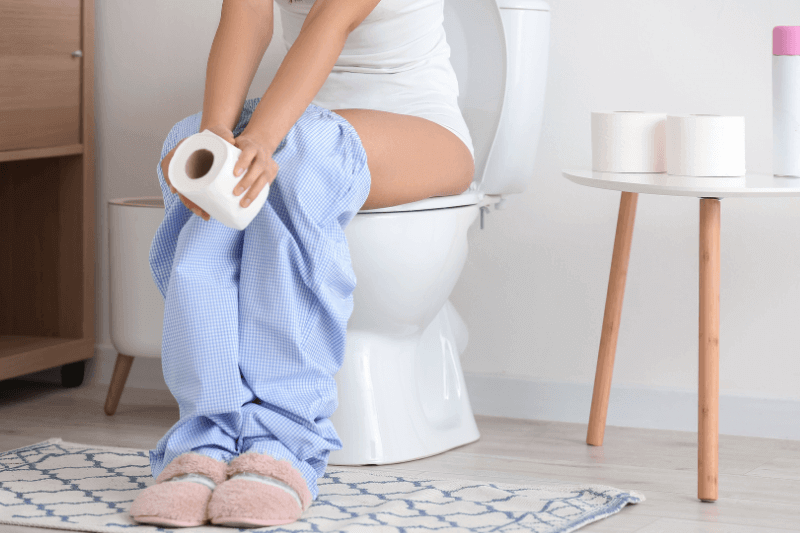
Feeling like you can’t fully empty your bladder can also be a cause for concern.
This might happen occasionally due to your baby pressing on your bladder.
Though, if it becomes a frequent problem, it could be a sign of a bladder infection or even an issue with your pelvic floor muscles.
Speaking to your doctor can help pinpoint the cause and offer solutions, like pelvic floor therapy.
Sudden and Intense Urges to Urinate
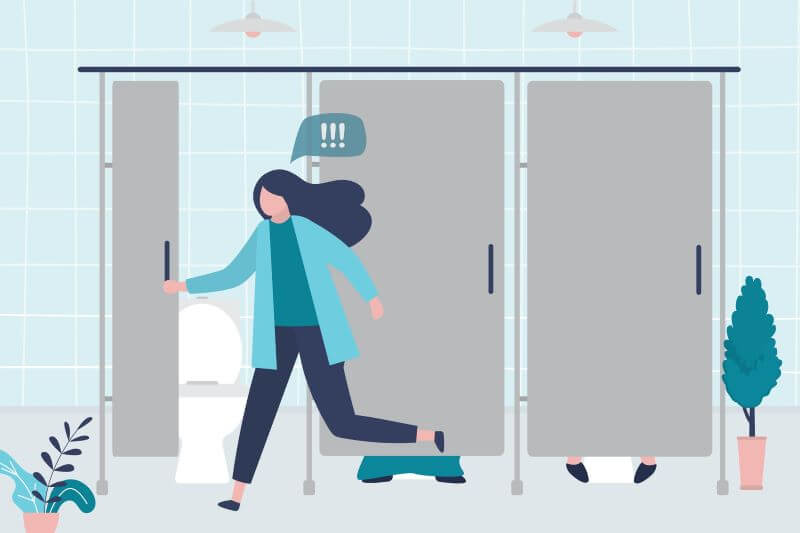
Lastly, if you suddenly experience an intense and urgent need to pee, and it comes on quickly, this may be another sign of a UTI.
Rapid-onset urges, especially if they’re accompanied by any discomfort, are worth discussing with your healthcare provider to rule out any potential infections.
While these symptoms don’t automatically mean something is wrong, it’s always better to err on the side of caution during pregnancy.
Your doctor can guide you through any concerns and ensure both you and your baby are healthy.
The Final Stretch: Post-Pregnancy Urination

After your baby arrives, you might assume that your frequent urination will stop.
But, don’t be surprised if you’re still making regular trips to the bathroom!
In the days following birth, your body will get rid of all the excess fluids it retained during pregnancy.
This means you’ll continue to urinate frequently for a short while.
Over time, your bladder will return to its normal function, and those constant bathroom runs will finally ease up.
But until then, hang in there, mums-to-be—you’ve got this!
Flushing Away the Worries
Frequent urination is a normal and sometimes frustrating part of pregnancy.
It’s a sign that your body is doing everything it needs to support you and your growing baby.
By understanding why it happens and taking steps to manage it, you can make this part of pregnancy a little more bearable.
Remember to stay hydrated, keep doing those pelvic floor exercises, and consult your healthcare provider if anything feels out of the ordinary.
Soon enough, those constant trips to the bathroom will be a thing of the past!
Disclaimer: The information provided in this article is for informational purposes only and should not be considered as medical advice from Motherhood. For any health-related concerns, it is advisable to consult with a qualified healthcare professional or medical practitioner.
For more insightful stories and fun recipes, stay tuned to Motherhood Story!