
At 21 months, your toddler is becoming increasingly purposeful. Their 21-month-old developmental milestones involve developing more confidence and planning small actions ahead of time.
Words arrive in bursts, and routines feel more familiar. These weeks bring clearer preferences, stronger little opinions, and more skilful exploration.
Here’s what you need to know about your little one’s 21-month-old developmental milestones.
Physical and Motor Milestones
Longer Strides and Short Sprints

By 21 months, most toddlers walk steadily and often break into short sprints.
Their pace quickens, and they become better at stopping and changing direction.
You may see them run to you with arms outstretched or dash across the room to retrieve a toy.
These short bursts help build stamina, coordination and confidence.
Confident Climbing and Balance Practice
Climbing interest continues to grow at this age.
Toddlers might climb on low furniture, climb up the bottom step, or pull themselves onto a low sofa.
They also practise balancing — stepping down carefully or lowering themselves from a small height.
These attempts teach spatial judgement and body control, so supervise closely while letting them explore safe challenges.
Communication and Cognitive Development
Growing Word Bank and Simple Phrases
Language usually expands noticeably by 21 months.
Many toddlers use between 50 and 100 words, and some begin to link two words together. Expect to hear requests like “more juice” or “Mummy, come.”
They will also point and gesture while naming things, which helps you understand their intent even when pronunciation is fuzzy.
Following Instructions and Little Plans
Cognitive skills are more purposeful now; your toddler follows simple two-step instructions and may show they remember routines.
Try bringing a toy when you say “tidy up”, or heading for the door when it’s time for a walk.
Problem-solving shows in small ways: removing a lid to reach a toy, stacking cups to reach a favourite item, or using an object as a tool in pretend play.
Social and Emotional Development

Testing Limits and Seeking Autonomy
At 21 months, toddlers continue to assert independence.
They test limits more often and practise saying “no” as a way to explore choices.
This behaviour can feel frustrating, but it’s part of building a sense of self.
Offer simple choices and keep boundaries calm. Praise attempts at cooperating to encourage more positive behaviour.
Sitting Near Others and Sharing Sparks
Play remains largely parallel, but you will see more moments of social exchange.
Toddlers may hand a toy to a peer, copy an action, or react to another child’s giggle.
They are also better at identifying basic emotions in others and can show empathy in small ways, like offering a cuddle or a comfort toy.
Sensory and Perceptual Development
Texture and Taste Exploration
Sensory curiosity is strong at 21 months.
Toddlers explore textures with hands and mouths and form clearer likes and dislikes around food textures.
Offer varied, safe foods and supervised sensory activities like water play or digging in a sand tray. These experiences help build tolerance and broaden sensory vocabulary.
Listening, Tracking and Visual Detail
Vision and hearing connections are sharper now.
Your toddler can track a small ball rolling across the floor and will often turn when they hear a familiar song or the opening of a biscuit packet.
Games that involve tracking moving objects, listening for sounds, or finding hidden toys sharpen attention and spatial awareness.
When to Talk to A Paediatrician

If you’re worried about development, it’s always worth checking in.
Speak to your paediatrician if your toddler:
- is not walking independently
- uses very few words and gestures
- does not respond to their name
- seems unusually floppy or stiff
- loses skills they once had
- show minimal interest in social interaction
So, keep track of your little one’s 21-month-old developmental milestones, no matter how small.
Expert Tips and Daily Activities

Short, Active Play Sessions
Toddlers do best with brief, varied play, so try scattering short activities throughout the day for them.
This can include outdoor runs, a brief obstacle course, a rolling ball game and changing toys to maintain interest.
These bursts help with concentration and physical development.
Language Rituals and Repetition
Incorporate language into everyday moments.
Name objects as you pass them, narrate actions during dressing or mealtimes, and read a favourite book daily.
Pause after questions to give your toddler time to respond. Repetition is the secret ingredient to learning.
New Skills, New Confidence
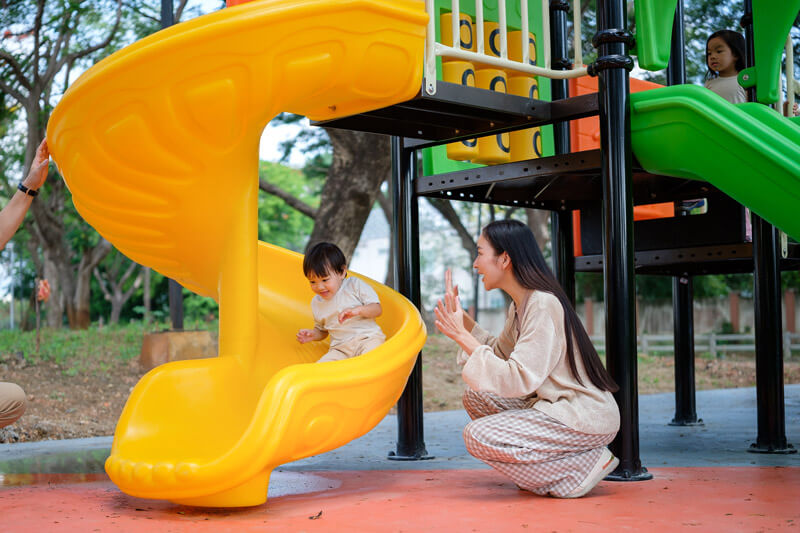
As your child goes through their 21-month-old developmental milestones, they are practising greater independence while still seeking your reassurance.
They try things, make mistakes, and try again, and each attempt helps them build skill and confidence.
Celebrate the small wins, stay calm during the tricky moments, and enjoy the increasingly vivid personality that’s unfolding.
Disclaimer: The information provided in this article is for informational purposes only and should not be considered as medical advice from Motherhood. For any health-related concerns, it is advisable to consult with a qualified healthcare professional or medical practitioner.
For more insightful stories and fun recipes, stay tuned to Motherhood Story!