Circle games for kids are not just fun; they challenge the brain, promote important gross motor skills and also foster social connection (without the need for screens).
With minimal props, enormous laughs and a surprisingly hefty dose of learning tucked into every turn, these timeless activities deliver joy, social bonding and skill-building in a way that feels effortless.
Whether you’re stuck indoors on a rainy afternoon or rallying a boisterous group at a birthday party, fun and educational circle games for kids offer something brilliant for every scene.
Why Circle Games Are Great for Children
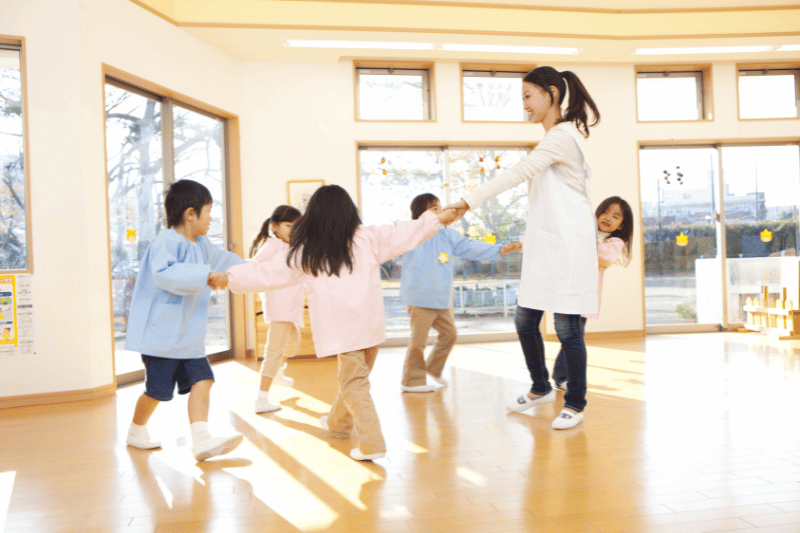
Circle games have a kind of social magic. They naturally encourage children to look at one another, take turns and engage in shared experience rather than solo competition.
That’s partly why they make such effective tools for teaching communication and empathy without resorting to structured lessons.
Take Duck Duck Goose, for example. This classic starts with one child wandering the circle, gently patting heads, declaring “duck, duck…” until suddenly someone becomes the “goose” and must sprint around the circle to avoid being tagged. Simple as it sounds, it boosts listening skills, reflexes and group awareness all at once.
Or consider Pass the Beanbag, where children pass an object in time with a song, only to remove one player when the music stops. It combines rhythm, anticipation and motor coordination in a way that feels more like party banter than instruction.
These are just two examples of many fun and educational circle games for kids that go beyond mere fun. They help children practise social rules and develop physical skills through play.
Circle Games by Age Group

Different ages bring different needs, and fortunately there’s a fabulous range of fun and educational circle games for kids that suit everyone from toddlers to older primary children.
Circle Games for Toddlers (2–4 Years)
At this stage, focus on games that are gentle, rhythmic and easy to understand.
- Ring Around the Rosie: The whole group holds hands, skips in a circle and tumbles at the end of the rhyme. It’s wonderfully physical and a great way to help toddlers with movement and rhythm.
- Sleeping Lions: All children lie down in a circle pretending to sleep while a couple of others try to make them laugh. Anyone who giggles is ‘out’ – a brilliant way to practise self-control.
These games let toddlers enjoy movement and interaction without pressure, making them perfect entries into social play.
Circle Games for Preschoolers (4–6 Years)
Preschoolers are bursting with imagination but still mastering focus, so games with simple rules that reward listening are ideal.
- Fruit Salad: Children are assigned fruit names and swap places when their name is called, and everyone scrambles when “fruit salad” is yelled.
- The Name Game: Each child says their name plus their favourite thing starting with the same letter, followed by everyone else repeating it. It’s a playful memory challenge.
- Animal Alphabet: Combines singing with acting out creatures in alphabetical order, bridging language and movement.
Preschoolers thrive on variety and creativity, and these games deliver that in spades.
Circle Games for Primary Kids (6–10 Years)
Older children often want a bit more challenge and strategic play.
- Circle Storytime: Encourages creativity as each child adds a sentence to a collective tale, sparking laughter and spontaneity.
- Secret Leader: One child makes a movement while others follow, and the guesser has to identify the leader — a clever blend of observation and subtlety.
- Bounce the Ball: Tests reflexes and team coordination when children must catch a ball before it bounces twice.
These games give older kids more to think about without losing the joy of play.
Indoor Vs Outdoor Circle Games
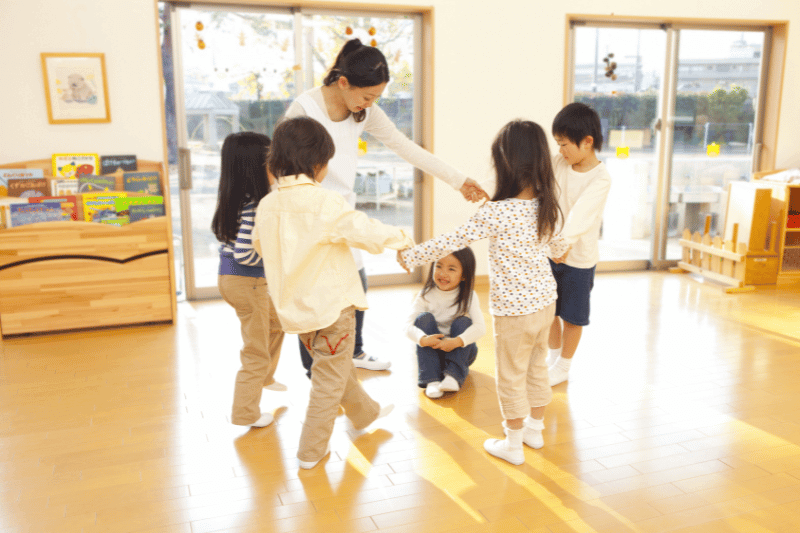
Space and weather can dictate what’s possible, but fun and educational circle games for kids are surprisingly adaptable.
Outdoor versions let children run, shout and use their whole bodies. Games like Elephant Stampede get everyone moving as one child picks a challenger and both race around the circle to reclaim their spot.
Indoor play, meanwhile, can lean on quieter options like The Silent Scream, a whisper-passing game that builds listening attention as the message gets hilariously distorted around the circle.
Indoor Group Activities for Small Spaces
In smaller spaces, choose games that keep movement controlled:
Circle Hop, where players hop in the direction called, is a physical challenge that doesn’t need much room.
Passing the Gesture has children imitate a gesture and add one more each turn, which is perfect for memory and coordination with minimal space needs.
These ideas help make even cosy living rooms a playground of learning and laughter.
Circle Games for Parties and Classrooms
Circle games are brilliant when you need structure and fun all at once.
In classrooms, quick icebreakers like Wind Blows (an inclusive variation of a classic call-and-move game) keep energy high and bodies active while sneaking in social understanding.
At birthday parties, games like Circle Stop Dance add music and silliness, with children dancing around until the tune stops and the last mover is out.
These experiences make for memorable social moments where kids learn about winning and losing graciously.
Tips to Run Successful Circle Games
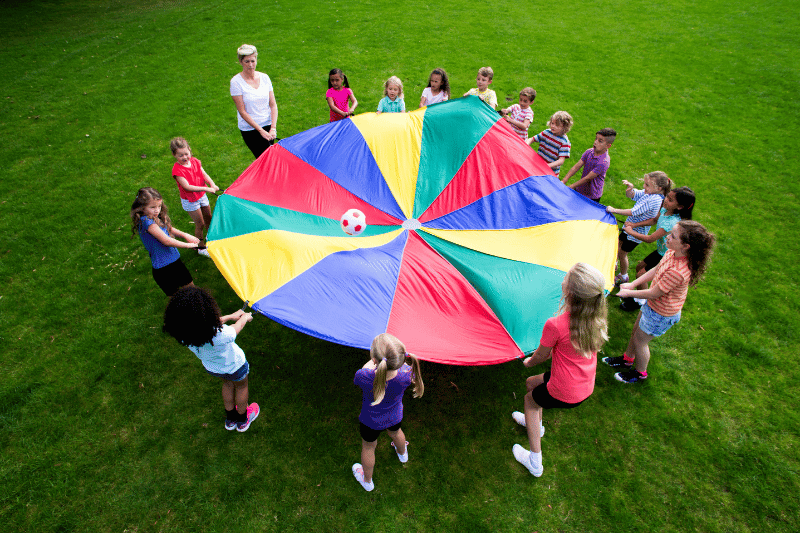
To get the best out of these activities, think like a playful conductor:
- Keep explanations clear but brief
- Model the first round so everyone understands
- Watch attention spans and switch games before interest wanes
- And don’t be afraid to join in. Children love it when adults play alongside them.
Why These Games Still Matter
In a hyper-digital world, returning to fun and educational circle games for kids reminds us that development often comes fastest when children are simply enjoying themselves.
By bringing these games into your routines, you’re giving young ones space to grow, connect and discover the joy of playing together.
Fun and educational circle games for kids are more than just games – they’re building blocks for confident, connected little humans.
Disclaimer: The information provided in this article is for informational purposes only and should not be considered as medical advice from Motherhood. For any health-related concerns, it is advisable to consult with a qualified healthcare professional or medical practitioner.
For more insightful stories and fun recipes, stay tuned to Motherhood Story!