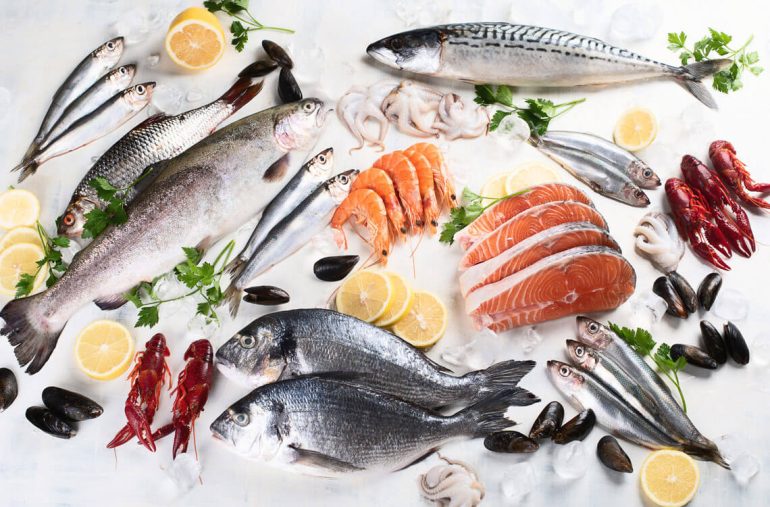
When it comes to looking for new recipes, you’ll no doubt eventually find ones that use fish names in English (or Malay).
You may think you’re bilingual, until you go to the wet market and find yourself scratching your head.
This guide breaks down the most common fish names in English and Malay, why they matter, and how to confidently find the right fish.
Why It’s Important to Know Fish Names in English and Malay
Most of us juggle recipes from everywhere. Family WhatsApp groups, YouTube chefs from London, and that one American food blogger who insists everything needs olive oil.
But the moment you step into a market here, everything switches to Malay names. That’s where the confusion begins.
Not knowing both names can lead to:
Market Mishaps
You go looking for mackerel but end up with sardine. Or you ask for bawal and suddenly realise you don’t know whether you want the hitam, putih, or emas one.
Fishmongers are friendly, but even they can struggle when you describe fish based on “the one with the round body but not too round.”
Recipe Confusion
International recipes often call for specific fish varieties. Malaysian home cooking, however, relies heavily on local names.
When you can match both, you avoid wasting money, ingredients or (worst of all) precious dinner time.
Parenting Moments
Children grow curious about everything, including food. They’ll ask, “What fish is this?” and it’s nice to confidently say the name in either language.
For Pregnant Mums
For pregnant mums or those feeding toddlers, knowing the correct fish also helps when choosing safer, low-mercury options.
Simply put: mastering fish names in both languages makes everyday life smoother. It helps you shop better, cook better, and parent with a bit more confidence (and fewer panicked grocery store Google searches).
Common Fish Names in English and Malay
Below are some of the most commonly bought fish in local markets.
You can place a small table or image beside each entry if you’re turning this into a designed article or social post.
Mackerel (Ikan Kembung)
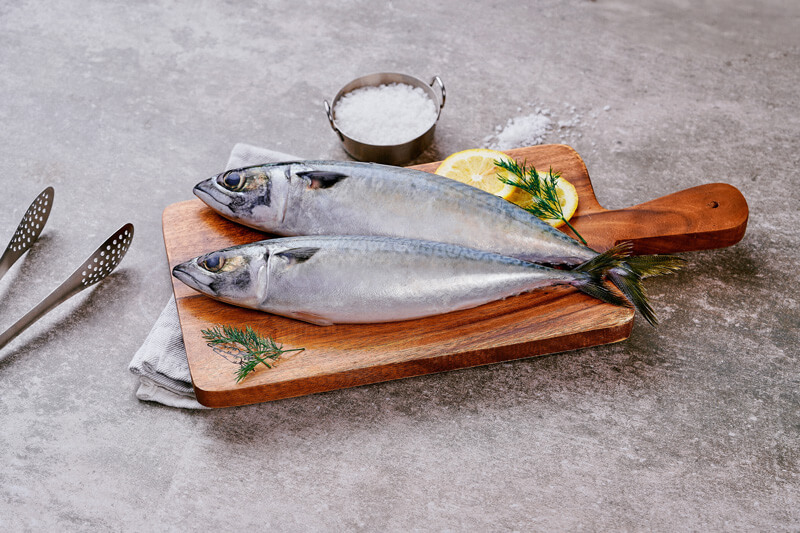
Mackerel is a medium-sized, elongated fish, usually around 25–35 cm long. Its body is slender and torpedo-shaped, built for speed.
The skin is shiny with a metallic bluish-green hue on the back and silvery white underneath.
Look for thin, wavy black stripes running horizontally along the upper body. The fins are small and delicate, and the tail is forked.
Sardine (Ikan Sardin)
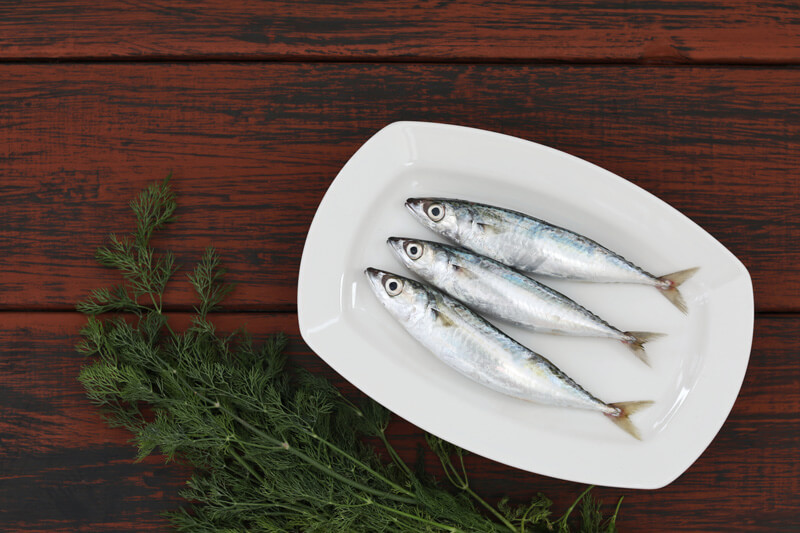
Sardines are small, slender, and typically 10–15 cm long.
Their bodies are cylindrical with a slightly flat side, giving them a delicate, streamlined look.
The skin is silvery with a hint of iridescence, and their scales are tiny and smooth. Eyes are proportionally large for their small body, and the fins are short and soft.
Snapper (Ikan Merah)
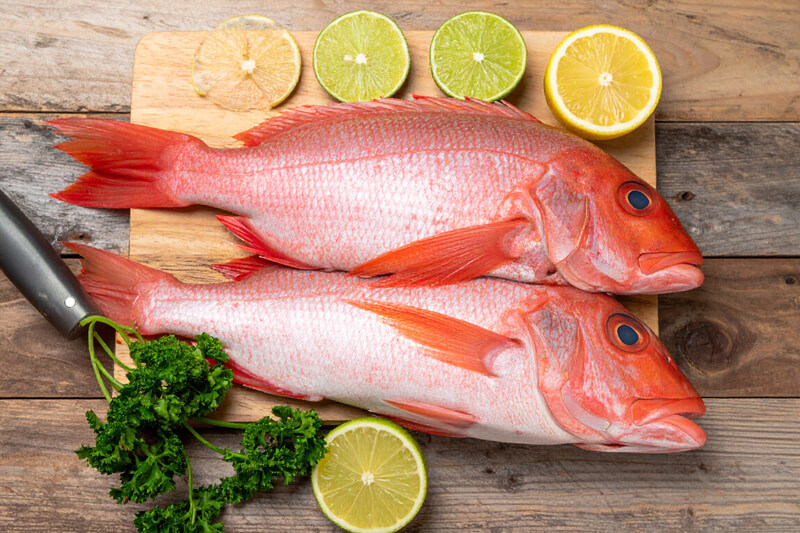
Their body is elongated and scaleless, often 30–50 cm long, with smooth, slippery skin that can range from grey to brown.
The most notable features are their “whiskers” or barbels around the mouth, which they use to sense food.
The head is broad and flat, with small eyes, and the dorsal and pectoral fins often have sharp spines. The tail is rounded rather than forked.
Catfish (Ikan Keli)
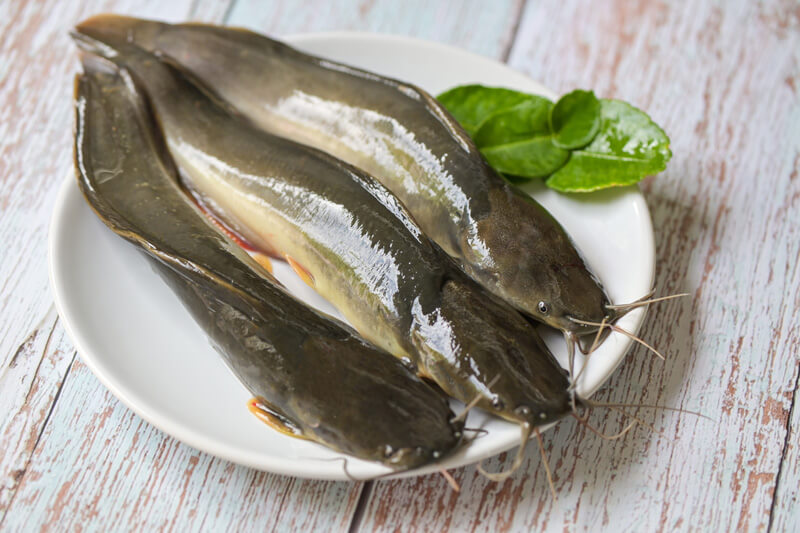
Their body is elongated and scaleless, often 30–50 cm long, with smooth, slippery skin that can range from grey to brown.
The most notable features are their “whiskers” or barbels around the mouth, which they use to sense food.
The head is broad and flat, with small eyes, and the dorsal and pectoral fins often have sharp spines. The tail is rounded rather than forked.
Tilapia (Ikan Tilapia)
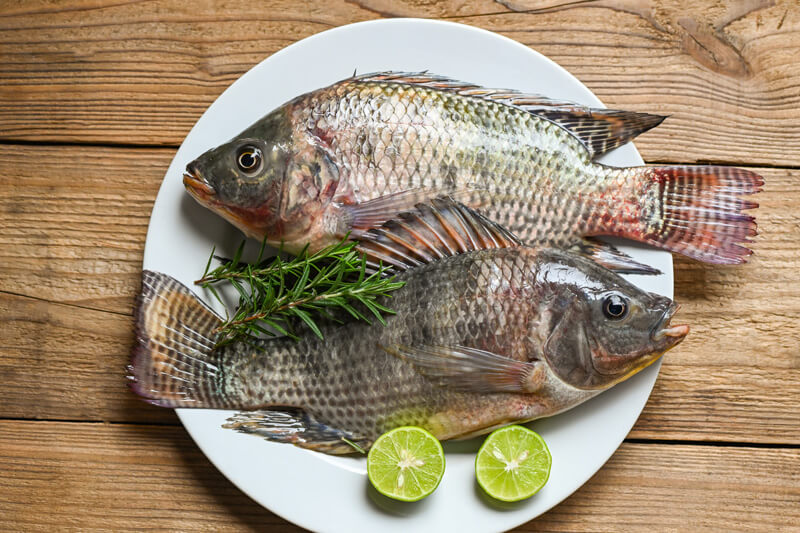
Tilapia are medium-sized freshwater fish, usually 20–35 cm in length, with a deep, laterally compressed body.
Their scales are relatively large and give a shiny, silver-grey appearance with darker vertical stripes or markings along the sides.
The dorsal fin is long and slightly spiny, and the tail is slightly forked.
Their mouth is terminal and wide, and the eyes are round and expressive. The overall appearance is more rounded compared to the sleek mackerel.
Tuna (Ikan Tuna)
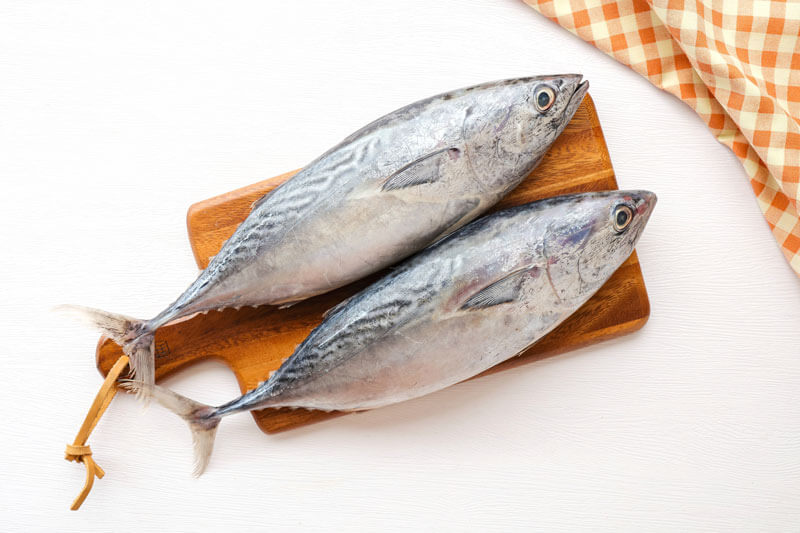
Tuna are large, muscular fish built for speed, typically 50 cm or more for market-sized varieties. Their body is streamlined, cylindrical, and tapered at both ends.
The skin is dark bluish on top, fading to silvery white on the belly. The fins are distinctive: small, stiff dorsal and pectoral fins, with small finlets trailing the dorsal and anal fins.
Their head is pointed, and the tail is crescent-shaped, perfect for powerful swimming. Tuna have a solid, meaty appearance unlike most other local fish.
Pomfret (Ikan Bawal)
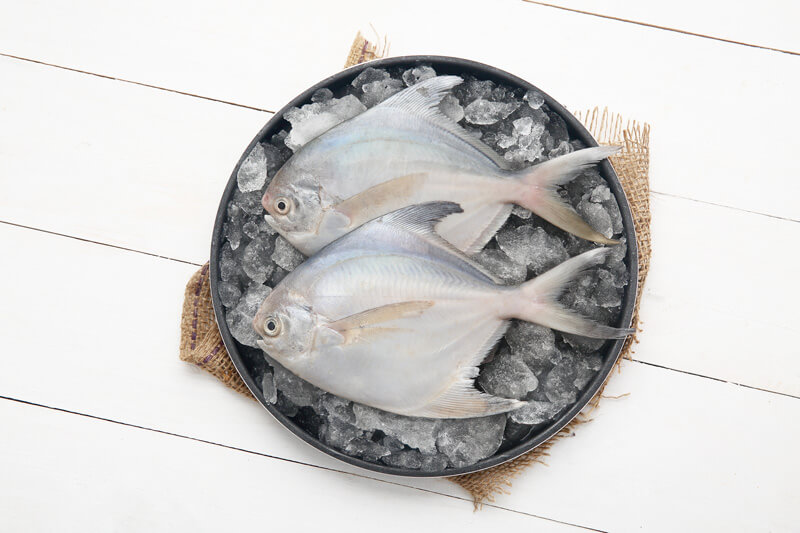
Pomfret has a unique, round, almost disc-like body that is laterally compressed. Most market varieties are 20–30 cm long.
The body is smooth and shiny, usually silvery-grey or black depending on the type (bawal putih vs. bawal hitam).
The dorsal and anal fins are long and flow along the body’s curve, giving it an elegant silhouette.
The tail is forked but not very pronounced. Its small mouth and overall rounded shape make it easily recognisable on ice trays at markets.
How to Use These Names When Shopping or Cooking

Knowing the names is one thing. Using them well is another. Here’s how to make the most of them in everyday life:
Ask the Fishmonger Clearly
If you’re unsure, don’t hesitate to say the English and Malay names together. For example: “Do you have snapper? Ikan merah?”
Most sellers appreciate the clarity—and you avoid bringing home the wrong fish.
Cross-Check Recipes
If a recipe mentions a fish you’re unfamiliar with, compare texture and cooking method. Many fish can be substituted with local equivalents. For example, snapper often works in place of grouper.
Teach While Cooking
Turn prep time into learning time: “This is mackerel, ikan kembung. We’re grilling it today.”
Kids retain info surprisingly well whenever there’s food (and not surprisingly, so do adults).
For Pregnant Mums
When expecting, low-mercury options like snapper, tilapia and sardines are generally preferred.
Having the English–Malay names helps you choose correctly without second-guessing.
FAQs About Fish Names in Malaysia
What is ikan tenggiri in English?
Ikan tenggiri refers to Spanish mackerel. It’s firm, flavourful, and popular in dishes like curry and asam pedas.
Which fish is safe to eat during pregnancy?
We recommend lower-mercury fish such as snapper (ikan merah), sardine (ikan sardin), tilapia (ikan tilapia), bawal putih, and kembung (mackerel).. Always ensure the fish is fresh and well-cooked.
What are the best fish for toddlers?
Mild, soft-fleshed options work best: snapper, tilapia, bawal putih, and salmon. Avoid fish with many bones unless the fishmonger has deboned them properly.
Finding the Right Fish

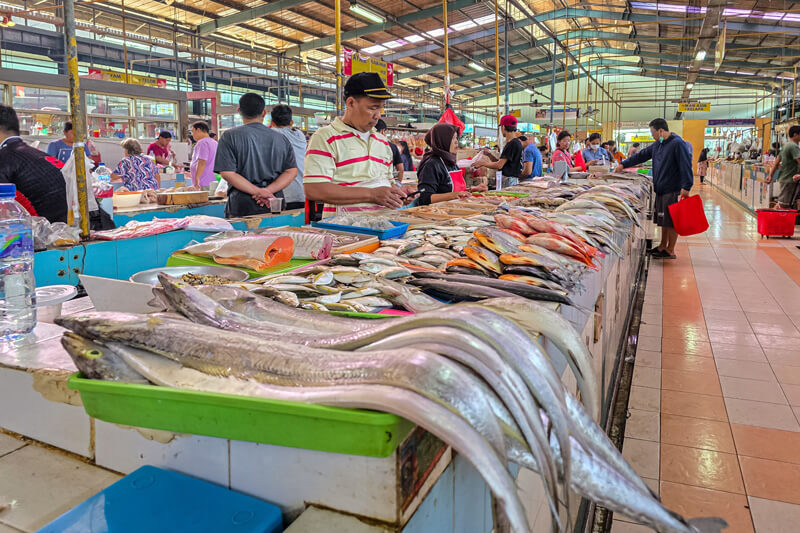
The next time you head to the market armed with this guide, you’ll navigate the stalls with confidence.
No more guessing, no more mismatched recipes, and no more awkward “Err… the fish that looks like this?” hand gestures.
Whether you’re cooking for yourself, feeding a growing child, or managing pregnancy cravings, knowing fish names in both English and Malay will definitely make your life easier.
For more insightful stories and fun recipes, stay tuned to Motherhood Story!