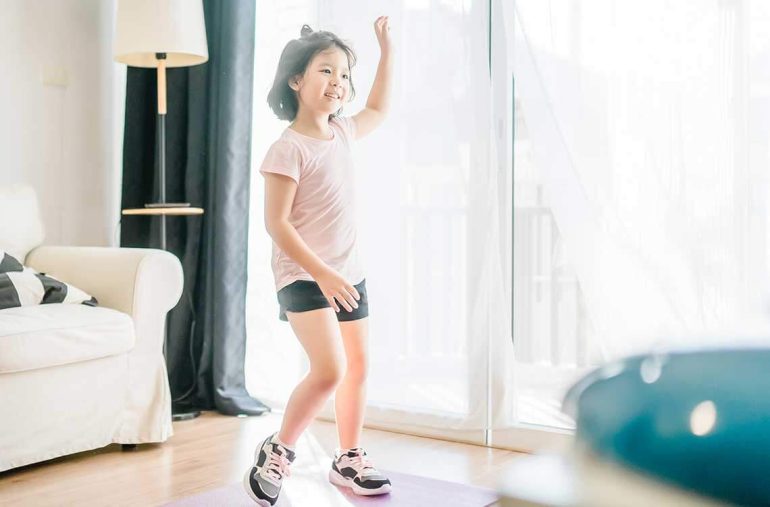
Let’s be honest, some children don’t really care about exercise.
Sure, they jump and run around during playtime, but that’s all for fun.
Sports days at schools are just another opportunity to see their friends and have a grand old time.
Some adults may have an entirely different philosophy about being active, and it’s not always for the right reasons.
But these days we know better, especially about what makes exercising a miserable endeavour instead of a positive one.
Here are some tips on how to instil a healthy attitude about exercise in your kids.
Tips for Building a Positive Attitude Towards Exercise
A positive attitude towards exercise starts with making physical activity feel enjoyable rather than pressured.
Here are six ways parents can help their children build a healthier relationship with exercise:
- Lead by example
- Watch your words
- Don’t make exercise about appearance
- Find your child’s forte
- Take the competition out of it
- Don’t use physical activity as a punishment
Lead by Example
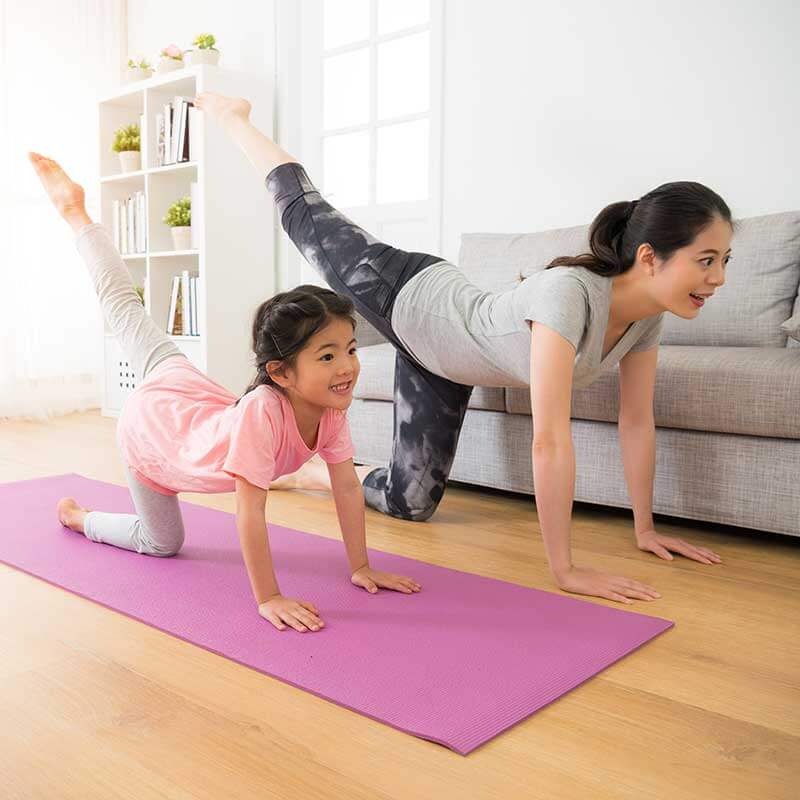
Children often learn from the attitudes and behaviours they see at home, so modelling a positive approach to exercise can help shape how they view physical activity.
Influencing your kids is sometimes a lot easier than it seems. You just have to be prepared to make the same changes in yourself.
If you’re already someone who already works out a lot, then the battle is already half won.
But if you don’t, then it’s going to be a lot harder to instil healthy habits in your kids.
If you yourself need some motivation to exercise, watch some fitness videos online. Some of them may be specifically catered towards parents and mums.
They lead you through some simple home workouts, so you don’t even need a gym membership to start.
Watch Your Words

The way you talk about exercise can influence how your child thinks and feels about physical activity.
If you’re a parent who tries to lead an active lifestyle, you may dread exercise.
Children mimic their parents, including what you say.
So, if you complain about going to the gym or not having time to workout, your kids will be influenced by all that negativity.
Thus, instead of always saying “Ughh, I hate working out”, before leaving for the gym, say something like, “I can’t wait to work out!” ”.
When your kids hear this, they may slowly form a more positive attitude towards exercise.
As an added bonus, you’re also subconsciously influencing yourself to enjoy exercise more.
Don’t Make It Superficial
These days fitness ads catered to grown-ups are for flat bellies and toned muscles.
While working out to maintain an attractive physical appearance is not necessarily a terrible excuse, it’s not one that you should encourage in your kids.
There will be plenty of opportunities for your child to experience body insecurity in their future; let’s not expedite that trajectory.
We all need exercise; it’s not just to make us look good on the outside.
Having a nice body is just the fortunate consequence of leading a healthy lifestyle.
However, you should not body shame your child if they may be a little chubby just to get them to exercise. There are better ways to motivate children to lead an active lifestyle.
Find Your Kid’s Forte
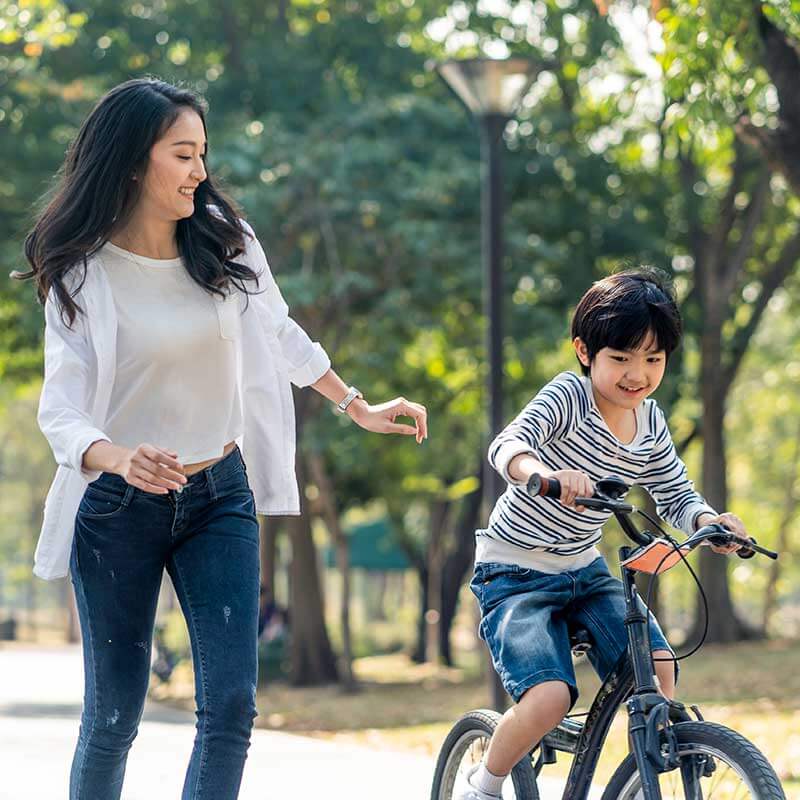
Give your child opportunities to try different activities and let them discover what they naturally enjoy.
Much like a hobby, every person has a different inclination when it comes to staying fit. The same is true for little children.
So, it’s up to you as a parent to find out what their forte is.
Some kids may enjoy trampolines or riding bicycles, playing basketball or dancing or swimming.
If they don’t yet know what physical activity they enjoy, take them out for a spin.
Just be sure it’s something you can afford.
Some families may not be able to afford dance classes or swimming lessons, but a cheap bicycle may be well within the budget.
Take the Competition Out of It
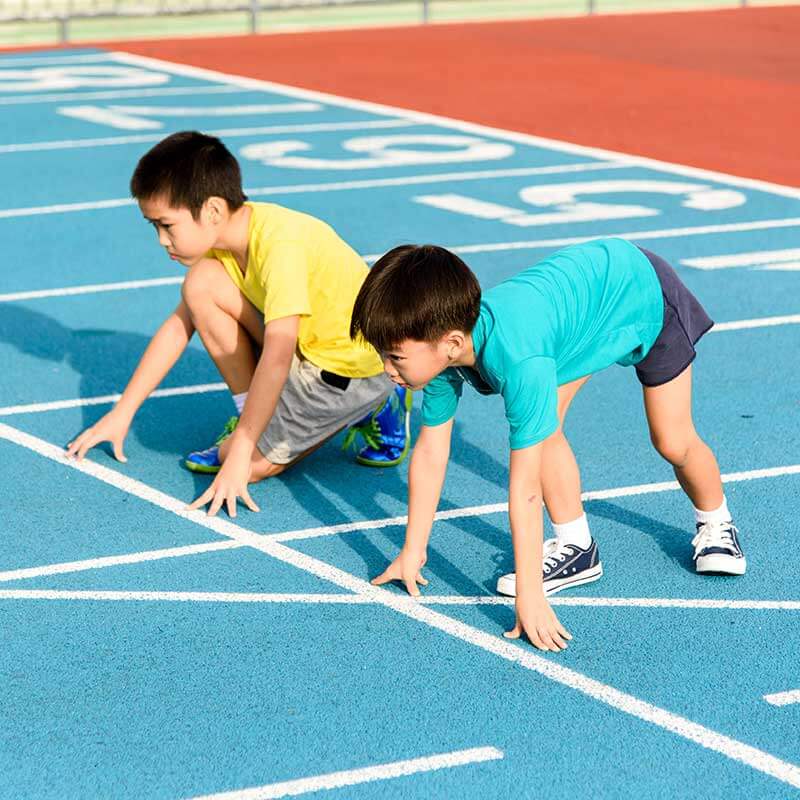
Avoid pushing your child into competitive sports simply because they show talent or promise.
It’s such a common coming-of-age movie trope that it’s practically a cliché at this point—parents forcing their kids to enlist in competitive sports to get a college scholarship.
While that is a very rare occurrence in Malaysia, some parents do enrol their kids in sports competitions.
If your kid is naturally gifted at, say, swimming or gymnastics, or anything at all, don’t ruin it by asking them to compete.
Sports is part of our society, but there are so many toxic undertones to the industry. Drugs, eating disorders, body dysmorphia, you name it. A young child shouldn’t be put through that.
Don’t Use Physical Activity as a Punitive Measure
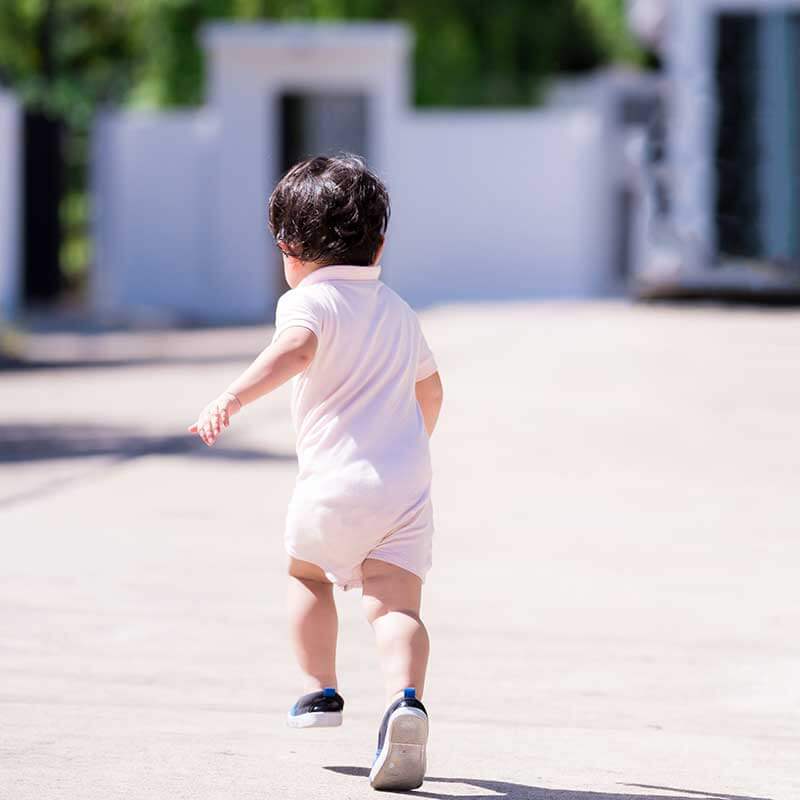
Exercise should not be used as a punishment, as this can make children associate physical activity with something negative.
A good way to make your kids absolutely hate exercise is to use it as a punishment.
If you want your kids to have a positive mindset about staying active, don’t use physical activity as a weapon.
Exercise is meant to be enjoyed, not dreaded.
While it may seem like such a rare occurrence among Malaysian families, it has been known to happen.
If you have ever done this or were planning to, hold your horses.
Try some science-approved methods of discipline in order to build a well-adjusted child who won’t resent exercising (or his parents).
FAQs About Helping Children Develop a Healthy Attitude Towards Exercise
Should I let my child compete in organised sports to build a love of exercise?
Not necessarily. Competitive sport can introduce pressure. If a child shows natural talent, parents can avoid pushing them into competition and instead let them enjoy the activity on its own terms.
Is it okay to use exercise as punishment?
No. Using physical activity as a punishment can make children resent exercise. Instead, parents can use other approaches to discipline rather than turning exercise into a punitive tool.
How does my own attitude towards exercise affect my child?
Children tend to mimic their parents’ behaviour and language. If a parent frequently complains about working out, that negativity can shape a child’s own attitude, while modelling positive language and habits can help children develop a healthier relationship with exercise.
Should exercise be framed around my child’s appearance or weight?
No. Exercise should not be presented to children primarily as a way to change their appearance, such as achieving a flatter belly or toned muscles. Instead, parents can encourage physical activity as part of a healthy lifestyle rather than focusing on physical appearance.
How do I help my child find a physical activity they enjoy?
Expose your child to a range of affordable activities, such as trampolines, bicycles, basketball, dancing or swimming, and observe what they naturally gravitate towards rather than assuming they will enjoy the same activities as you.
Fostering a Healthy Mindset
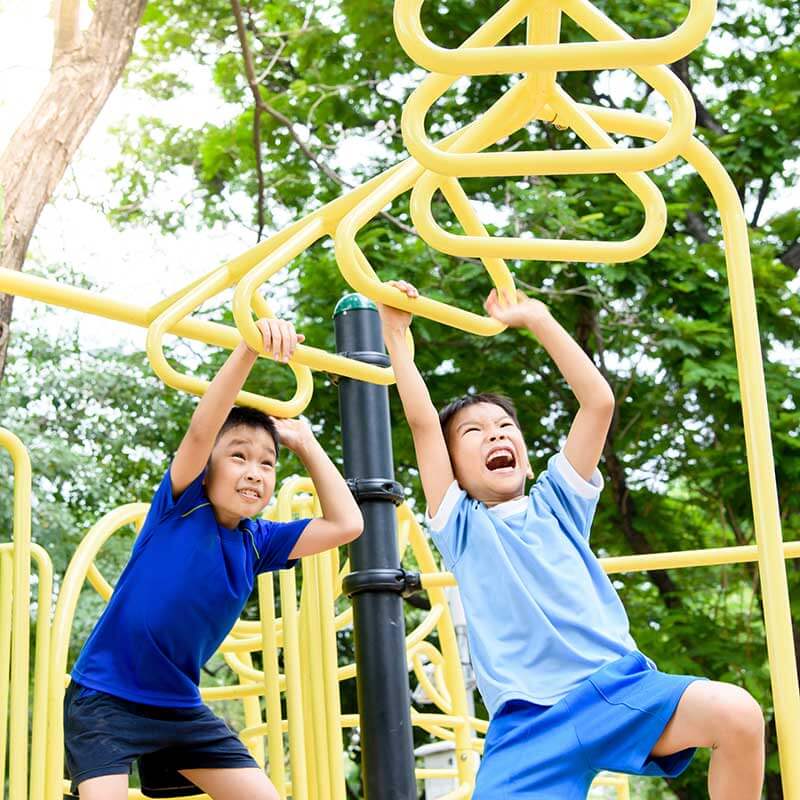
Many adults struggle with maintaining a healthy lifestyle, and this may point to a lack of parental intervention.
A negative attitude towards exercise can make it harder to build healthy habits. That is why it is important to help children develop a positive relationship with physical activity from an early age.
With the right parenting techniques, you may be well on your way to building a fitter, healthier future for the generations to come.
Disclaimer: The information provided in this article is for informational purposes only and should not be considered as medical advice from Motherhood. For any health-related concerns, it is advisable to consult with a qualified healthcare professional or medical practitioner.
For more insightful stories and fun recipes, stay tuned to Motherhood Story!