We seldom hear pregnancy and chemotherapy used in the same sentence and for good reason. No one wants to picture such a joyous experience being overshadowed by a devastating tragedy.
However, the bad news is plenty of pregnant women do get cancer. And more often than not, they will need to undergo one of the only effective treatments for the illness: chemotherapy.
With as much stigma and fear surrounding this treatment as cancer, chemotherapy can become doubly terrifying when pregnancy is involved
Here’s what you need to know about chemotherapy in pregnancy and what risks and side effects it may pose for you and your child’s health.
What is Chemotherapy
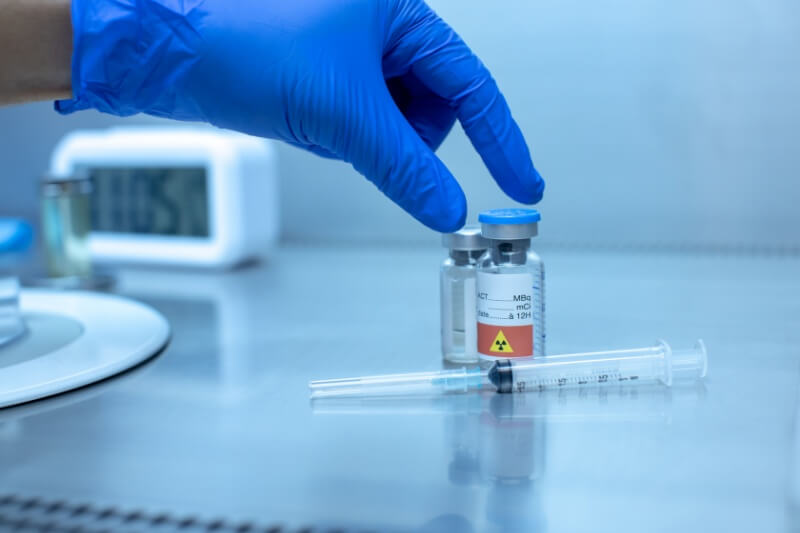
Chemotherapy is a form of cancer treatment that utilises powerful chemicals to kill rapidly dividing cells in the body.
These drugs can be administered intravenously, orally, or through other methods, depending on the specific medication and the type of cancer being treated.
Chemotherapy drugs work by interfering with different stages of the cell cycle. Some drugs damage the DNA of cancer cells, preventing them from dividing, while others disrupt the process of cell division itself.
The goal is to either destroy cancer cells completely or slow their growth so the body’s immune system or other treatments (like surgery or radiation) can eliminate them.
However, since some healthy cells—such as those in the bone marrow, digestive tract, and hair follicles—also divide rapidly, chemotherapy can affect them as well, leading to side effects.
Some common types of chemotherapy medications include:
- Alkylating agents: damages DNA to prevent cell division
- Antimetabolites: stops cell growth
- Anti-tumour antibiotics: disrupt DNA replication.
- Mitotic inhibitors: prevents cancer cells from dividing.
- Topoisomerase inhibitors: interferes with DNA repair mechanisms.
In recent years, targeted chemotherapy drugs have been developed to attack cancer cells more precisely while minimising damage to normal cells.
These targeted therapies have revolutionised cancer treatment by improving survival rates with fewer side effects compared to traditional chemotherapy.
What Conditions Are Chemotherapy Prescribed for
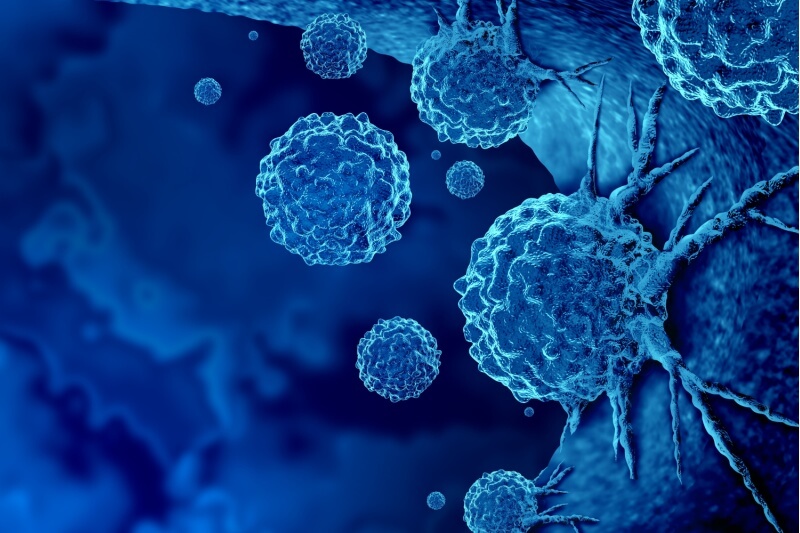
Contrary to popular belief, chemotherapy isn’t always used for cancers.
Some chemotherapy drugs, when used in lower doses can help suppress the immune system in autoimmune diseases where the body’s immune system mistakenly attacks its own tissues
Conditions that fall under this category are rheumatoid arthritis, lupus and multiple sclerosis. Certain non-cancerous blood disorders also benefit from chemotherapy, such as aplastic anaemia.
To prevent organ rejection after a transplant, doctors prescribe chemotherapy drugs as immunosuppressants.
However, chemotherapy is more widely prescribed for cancer. Some of the various types that chemotherapy can treat include, but are not limited to, breast cancer, leukaemia, lymphoma, ovarian cancer and lung cancer.
The choice of chemotherapy depends on the type and stage of cancer, as well as the overall health of the patient.
Chemotherapy Side Effects

While chemotherapy is effective in targeting cancer cells, it also affects normal, rapidly dividing cells.
This can lead to certain side effects such as fatigue, nausea and vomiting, hair loss, anaemia, increased risk of infection and peripheral neuropathy. Some chemotherapy drugs can cause nerve damage, leading to numbness or tingling in extremities.
The severity and type of side effects vary depending on the specific chemotherapy drugs used and the individual patient.
For pregnant mothers, the severity of the side effects may be much worse.
In the rarest of cases, chemotherapy can increase the risk of complications and eventually death even in non-pregnant individuals.
The causes can include sepsis (full body infection), organ failure, respiratory failure, severe bleeding, and anaphylaxis.
This is why doctors pay close attention to your medical history and any pre-existing conditions that you have before prescribing chemotherapy drugs.
Pregnancy and Cancer
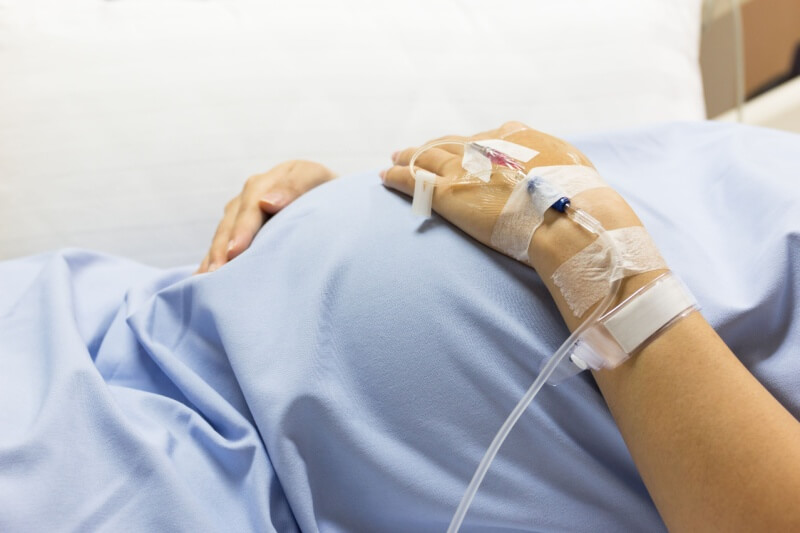
The occurrence of cancer during pregnancy is relatively rare, estimated at approximately 1 in 1,000 pregnancies.
The most common cancers diagnosed during pregnancy include breast cancer, cervical cancer, lymphoma, and melanoma.
Cancer during pregnancy can be a challenging conundrum to navigate even for the most experienced medical specialists. From delayed diagnosis to limited diagnostic options to treatment challenges, there are so many issues that arise.
First, due to the various overlapping symptoms, it can be difficult to detect cancer during pregnancy. This is why it’s important to take note of any warning signs that could potentially be deadly.
Here are some warning signs to watch out for unexplained weight loss: losing weight without trying, persistent pain in a specific area that doesn’t resolve, unusual lumps or masses in areas such as the breast or neck, and abnormal bleeding that is not typical for pregnancy.
Learning to differentiate cancer and pregnancy symptoms becomes extra crucial if you have certain risk factors. This includes being of advanced maternal age (40 years old and above), being a heavy smoker, nulliparity (having no previous births), and certain genetic predispositions.
Another challenge in diagnosing cancer in pregnancy is limited diagnostic options: To protect the safety of the baby, certain imaging studies and diagnostic procedures have to be avoided or modified.
This can potentially interfere with the accuracy and timeliness of cancer detection.
Finally, the challengers are prescribing safe but effective treatment for cancer without harming the unborn foetus or the mother.
Pregnancy and Chemotherapy
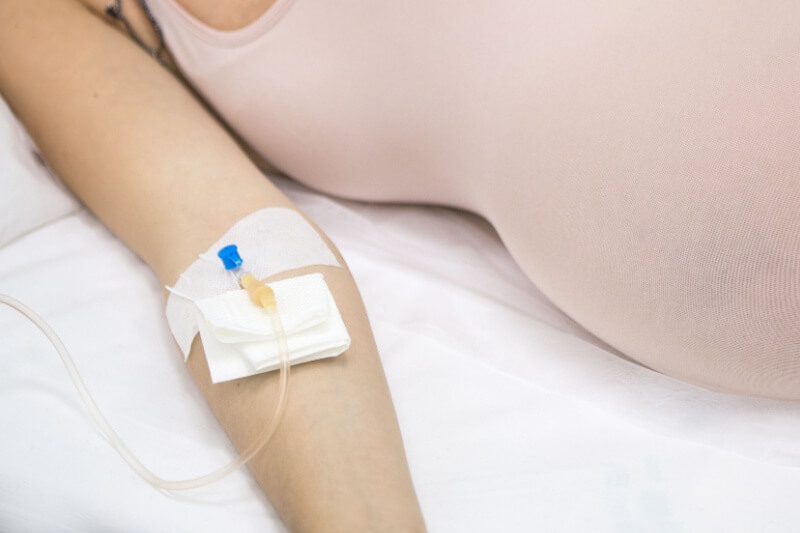
The second biggest concern when it comes to pregnancy and chemotherapy is the safety of the baby.
The mother’s survival is of course a priority, but doctors will also take great care in ensuring no harm comes to the developing foetus.
According to studies, chemotherapy is relatively safe for pregnancy assuming the doctors follow very strict guidelines.
The truth is, chemotherapy drugs do and can harm a developing baby. However, due to the protection afforded by the placenta, harmful substances are usually prevented from crossing the baby’s circulatory system.
That said, precautions must still be observed. Prolonged and aggressive treatments with a high dosage of medication are more likely to increase the baby’s exposure to the chemotherapy. Certain types of drugs are also avoided due to their ability to cross the placenta.
Administering chemotherapy during the second and third trimesters has been found to have minimal complications during labour and delivery.
Even if some of the medication crosses the maternal blood barrier, the effects would be small to none.
However, it’s crucial to avoid chemotherapy during the first trimester due to the heightened risk of birth defects and miscarriage.
Chemotherapy Side Effects and Pregnancy
As if pregnancy symptoms were not gruelling enough, to add more would only be unimaginable. Unfortunately, that’s what chemotherapy can potentially do.
The severity of chemo side effects depends on several factors. The stage of pregnancy, the type of chemotherapy drugs used, and the mother’s health conditions, just to name a few.
Here’s how chemotherapy can interact with pregnancy and potentially worsen symptoms:
Hormonal Disruptions
One of the more serious dangers of chemo in pregnancy is its impact on pregnancy hormones. Doctors will pair chemo drugs with medications like gonadotropin-releasing hormone agonists to protect ovarian function.
Increased Nausea
Chemotherapy-induced nausea and vomiting (CINV) is a common side effect of cancer treatment. Pregnancy can exacerbate these symptoms due to pre-existing morning sickness.
Immune System Suppression
Chemotherapy can weaken the immune system, increasing the risk of infections. Pregnancy itself causes some degree of immune suppression.
Potential for Miscarriage or Preterm Birth
Chemotherapy in the first trimester can increase the risk of miscarriage or preterm birth. Research indicates that chemotherapy during pregnancy can also result in babies being small for gestational age.
Babies and Chemotherapy
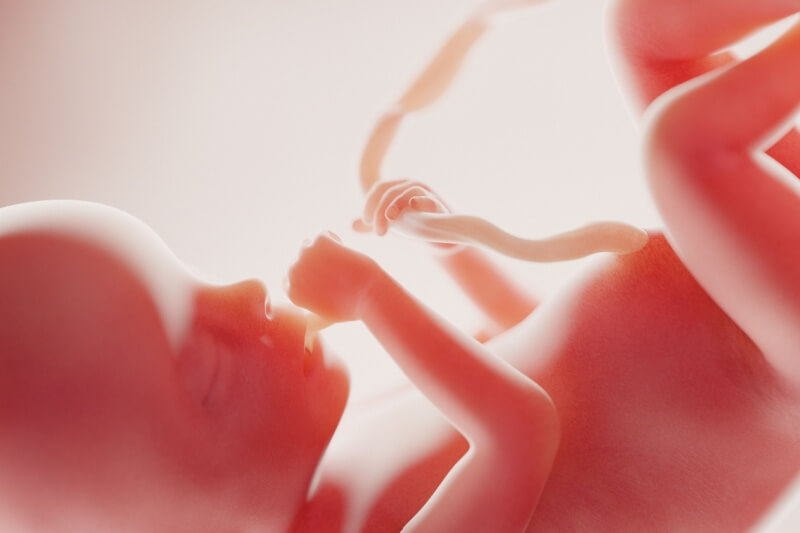
You may be wondering what happens to the baby if an expectant mother undergoes chemotherapy. If the treatments aren’t safe for either mother or child, a doctor will need to find alternative medication.
As chemo is one of the only effective treatments for it, it cannot be avoided entirely. However, even the safest chemo drugs, administered in the safest way and in the safest doses, can have some effect on the baby.
While mild, they include lower verbal IQ, poor emotional regulation, and poor visual and spatial memory.
However, the greater body of scientific research shows children exposed to chemotherapy during their mother’s pregnancy did not exhibit any serious problems in cognitive ability, school performance, or behavioural competence compared to those who were not.
Another study found that children exposed to cancer in utero did not have higher mortality rates, were not born with birth defects, and did not show any signs of psychiatric disease later in life.
So rest assured, with correct and mindful medical supervision, your baby will not be harmed even if you have to undergo chemotherapy.
Navigating This Tough Time

Chemotherapy and pregnancy have their risks. While life-saving, many doubt whether its dangers outweigh its benefits.
With advances in medicine in recent years, chemotherapy has become safer and more effective. It is less harsh on the body and with fewer side effects.
In time, science will figure out new ways of fighting cancer without compromising motherhood or having someone choose over their own life or the life of their unborn child.
Even now, with proper management, chemo is safe for pregnancy, showing mild risks to a developing baby.
So if you’re currently going through your own journey with cancer, don’t let this cruel illness take away the beauty and joys of motherhood.
Disclaimer: The information provided in this article is for informational purposes only and should not be considered as medical advice from Motherhood. For any health-related concerns, it is advisable to consult with a qualified healthcare professional or medical practitioner.
For more insightful stories and fun recipes, stay tuned to Motherhood Story!