When a baby arrives ahead of time, the tiny cries, tubes, and machines all pose an imposing challenge, both for the parents and the little one in question.
Knowing what to expect can help families focus on what matters most: giving their baby the best chance to grow strong. That is why we sat down with Dr Charles Ong Chin Min, Consultant Paediatrician from Columbia Asia Hospital Batu Kawan.

What should parents know about premature birth?
A preterm or premature birth happens when a baby is born 22 to 37 weeks before their mother completes pregnancy.
Worldwide, about 15 million babies are born too soon each year. That is nearly one in ten births.
In Malaysia, around 500,000 babies are born annually, and about 12 per cent of them arrive early.
Caring for a premature baby is a challenge.
These babies often need help breathing, staying warm, and fighting infections. Some may also face challenges with their heart or brain.
However, medical advances have made great progress in improving both survival and long-term health.
What are the common causes and risk factors of premature birth?
Mothers who smoke, drink alcohol, or use drugs during pregnancy face higher risks of premature birth.
Missing regular antenatal checkups can also delay the detection of problems that might lead to early labour.
Age plays a part too, as it is seen that more teen mothers and women over 35 are more likely to deliver early.
Mothers who have had a previous premature birth, are carrying twins or triplets, or have diabetes, high blood pressure, or autoimmune conditions need closer monitoring.
Sometimes, premature births can be caused by anatomical issues such as a short cervix or uterine fibroids. Infections of the reproductive tract or amniotic fluid will also need prompt treatment.
Fertility treatments like IVF have helped many couples conceive, but they can slightly raise the chance of preterm delivery.
Maintaining a balanced diet and healthy weight and reducing stress can all help to lower the risk of a premature birth.
What are the most common health concerns for premature babies?
For a premature baby, every breath counts.
Their lungs may still be developing, so breathing can be difficult.
Some babies need ventilators or a type of medicine called a surfactant to help their lungs open properly.
If a small heart vessel, the ductus arteriosus, remains open after birth, babies may require treatment or even surgery.
Feeding can also be a struggle, as some babies may develop a serious gut condition known as necrotising enterocolitis (NEC) if they are fed too rapidly.
Breast milk remains the best source of nutrition for these babies. It is gentle on the stomach and packed with natural antibodies against infection.
Jaundice can occur, and if it is severe enough, an exchange transfusion will be done to prevent brain damage and hearing impairments.
Premature babies have weaker immune systems and lose body heat quickly, which is why strict hygiene and controlled environments play such an important role in their early lives.

What happens inside the NICU, and how are premature babies cared for there?
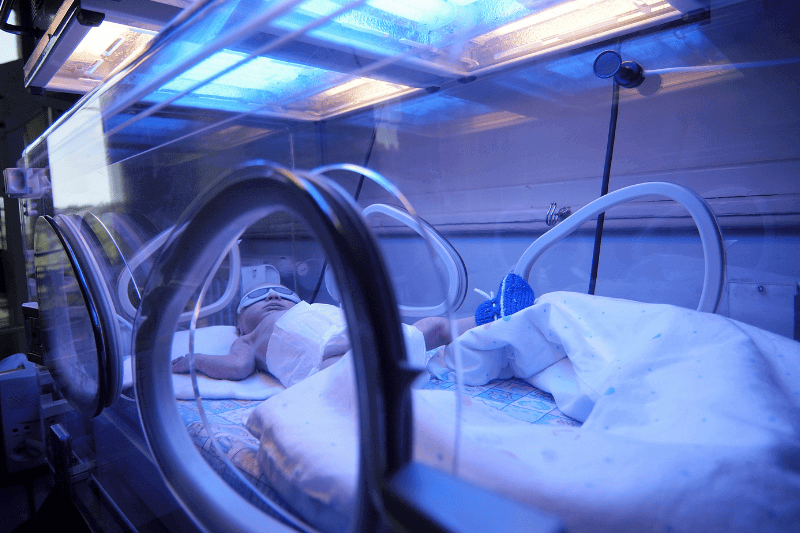
An incubator is a baby’s first safe haven, where the temperature and humidity are kept just right.
Machines assist them with breathing while monitors track the baby’s heart rate, oxygen, and blood pressure.
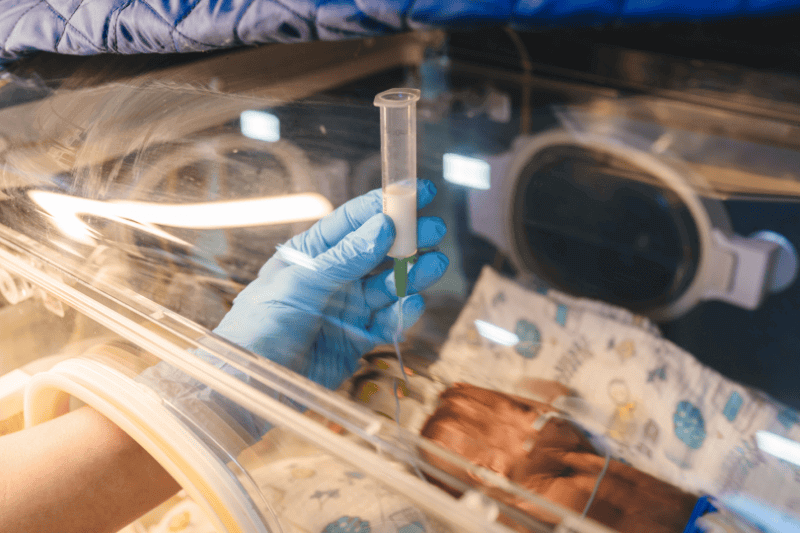
When a baby cannot feed naturally, milk is given through a tiny tube that goes into the stomach.
As the baby gets stronger, doctors slowly increase the amount of milk until full feeding is possible.
Every step in the NICU is handled with care. Nurses wash and sanitise their hands constantly, and parents follow the same routine before touching their babies.
The NICU team includes doctors, nurses, dietitians, pharmacists, and therapists, all working together to give each baby the best possible start.
What role do parents play in a premature baby’s care and recovery?
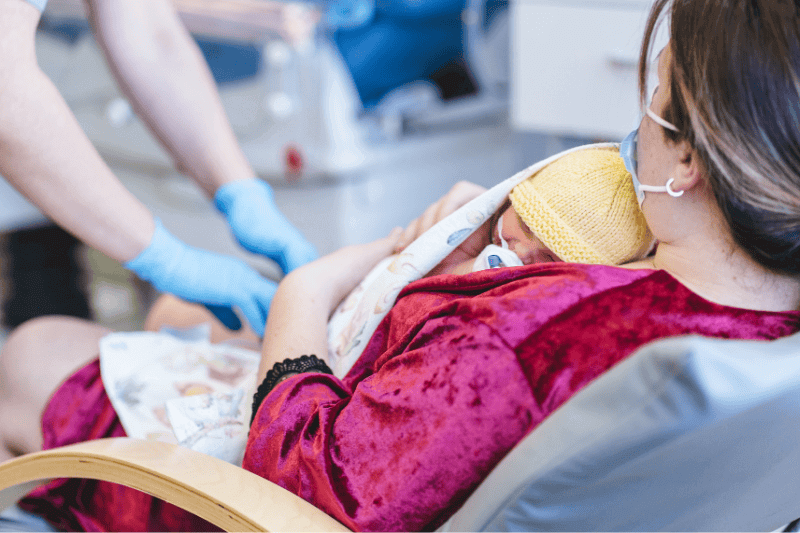
Once the baby’s condition is stable, parents are encouraged to try Kangaroo Mother Care (KMC), which involves holding the baby skin-to-skin on the chest.
This simple, loving act helps regulate the baby’s heart rate and body temperature while calming both parent and child. Touch, voice, and presence make a big difference.
Parents are encouraged to participate in small tasks like changing diapers, feeding, or simply singing softly to their baby.
When the baby can feed by mouth, breastfeeding becomes a source of both nutrition and comfort.
What are the criteria for discharging a premature baby from the NICU?
Before leaving the NICU, the baby must be able to:
-
Maintain body temperature without an incubator
-
Breathe well without oxygen support
-
Gain weight steadily
-
Be free from infection
Parents are trained in baby CPR, feeding routines, and medication care. They also learn how to recognise warning signs and what to do in an emergency.
Safe sleep is key. Babies should always sleep on their backs to reduce the risk of Sudden Infant Death Syndrome (SIDS).
Each baby grows at their own pace, so discharge timing depends on their progress rather than age alone.

How can parents keep their premature baby healthy after bringing them home?
Once home, good hygiene remains crucial. Parents and visitors should wash their hands before touching the baby, and anyone who is sick should stay away.
Follow-up visits are essential for monitoring growth and development. Vaccinations should continue as scheduled, with extra ones such as meningococcal, chickenpox, influenza, and hepatitis A offering added protection.
Some very premature babies receive a Respiratory Syncytial Virus (RSV) vaccine to prevent severe lung infections. Avoiding cigarette smoke and crowded environments also helps keep the baby healthy.

How do I know if my premature baby is growing well, even if progress feels slow?
Parents often worry about whether their baby is eating enough or growing fast enough. Some may be tempted to overfeed, but premature babies grow at their own pace.
Healthy signs include:
-
Several wet diapers a day
-
Regular bowel movements
-
Gradual weight gain based on a premature growth chart
Premature babies usually go through a catch-up phase during their early years. With proper nutrition, they often reach the same milestones as full-term babies.
For babies with special needs, parents will be guided on using feeding tubes safely and preventing infections. Regular visits with a paediatrician help ensure the baby’s growth stays on track.
From Early Challenges to Strong Futures

As premature babies grow, some may face additional challenges, such as eye problems, such as retinopathy of prematurity, requiring regular screening by an eye specialist.
If detected early, treatments such as laser therapy can protect their vision.
Paediatricians will also monitor for developmental delays, learning difficulties, or emotional conditions like anxiety or ADHD. Early intervention can make a huge difference.
As they get older, premature babies have a slightly higher risk of diabetes, high blood pressure, and obesity, but with healthy habits and regular checkups, they can still lead normal, active lives.
A premature birth may be difficult, but advances in neonatal care continue to offer hope for brighter outcomes.
With dedicated medical teams, family support, and continued awareness, each child born too soon stands a better chance of surviving and thriving than ever before.
Disclaimer: The information provided in this article is for informational purposes only and should not be considered as medical advice from Motherhood. For any health-related concerns, it is advisable to consult with a qualified healthcare professional or medical practitioner.
For more insightful stories and fun recipes, stay tuned to Motherhood Story!