When mums fall sick, life rarely pauses.
There are still meals to prepare, school runs to manage, work to finish and children who need attention. So when a cough or cold appears, many mothers simply push through, take some medicine and wait for it to go away on its own.
Most of the time, it does. But what happens when the cough lingers for weeks, keeps returning or starts coming with breathlessness, chest pain or unusual fatigue?
A persistent cough may be easy to dismiss, especially when you are busy caring for everyone else. However, it could sometimes be a sign of a lung infection or another respiratory condition that needs medical attention.

To help fellow mums understand when a cough is no longer “just a cold”, we spoke to Dr Sangeta Vadivelu, Physician Consultant at Pantai Hospital Sungai Petani, who shares the warning signs to look out for, the possible causes of long-lasting coughs and why early treatment matters.
1. What are the common reasons women get lung infections?
Dr Sangeta Vadivelu: Lung infections can happen for many reasons, and not all of them begin with catching a cold. According to Dr Sangeta, infections may be caused by viruses such as influenza, COVID-19 and respiratory syncytial virus (RSV), while bacterial infections commonly include pneumonia caused by Streptococcus pneumoniae or Mycoplasma pneumoniae.
Some women may also be more vulnerable because of a weakened immune system caused by stress, chronic illnesses or certain medications. Existing lung conditions such as asthma, chronic obstructive pulmonary disease (COPD) and bronchiectasis can also increase the risk.
Environmental factors are another important contributor. Smoking, second-hand smoke, air pollution and workplace irritants can weaken the lungs’ natural defences, making infections more likely. In some cases, prolonged exposure to humid or mouldy environments may also lead to fungal lung infections, although these are less common.
Overall, women with chronic health issues, frequent respiratory infections or smoking habits are considered to be at higher risk.
2. Is a cough that lasts more than two to three weeks a serious concern?

Dr Sangeta Vadivelu: A cough that continues for more than two to three weeks should not be brushed aside, especially if it is not improving.
A long-lasting cough can be a public health concern because it may be linked to infectious diseases such as tuberculosis, pertussis or other respiratory infections that can spread to people around us.
It may also be a sign of an underlying lung condition that requires further medical evaluation. Rather than repeatedly treating the symptom with cough medicine, women should consider seeing a doctor to identify the actual cause.
3. What symptoms along with a long-lasting cough should not be ignored?
Dr Sangeta Vadivelu: A persistent cough may not always be serious on its own, but certain symptoms alongside it should never be ignored.
These include coughing up blood, shortness of breath, wheezing, unexplained weight loss, persistent chest pain, fever, night sweats, swelling in the face or neck, and a hoarse voice that lasts for more than a few weeks.
These warning signs may be linked to serious infections, lung disease or cancer. Anyone experiencing these symptoms should seek medical evaluation rather than waiting for them to disappear.
4. Can lung infection symptoms be different in women compared to men?
Dr Sangeta Vadivelu: Men and women may develop the same respiratory illnesses, but the way they experience and report their symptoms can sometimes differ.
Women may experience longer-lasting coughs and report more severe physical discomfort compared to men. Women are also more likely to report dyspnoea, which means shortness of breath, as well as fatigue.
Men, on the other hand, may experience more noticeable coughing and sputum production. These differences can affect how respiratory conditions are recognised, diagnosed and managed.
This is why doctors need to consider each patient’s symptoms and overall health rather than relying only on what is considered a “typical” presentation.
5. When should a woman with a long-lasting cough see a doctor?

Dr Sangeta Vadivelu: Women should consider consulting a respiratory physician if a cough lasts for more than three weeks.
However, medical attention may be needed much earlier if the cough is accompanied by shortness of breath, chest pain, coughing up blood or unexplained weight loss. Persistent coughing can be a sign of an underlying health condition that requires professional evaluation. Waiting too long may allow the condition to worsen or become more difficult to treat.
6. What tests are usually needed to find the cause of a long cough?
Dr Sangeta Vadivelu: When a patient seeks medical help for a persistent cough, a respiratory physician will usually begin by reviewing their medical history and carrying out a physical examination.
A chest X-ray may also be recommended as an initial test. Depending on the findings, the doctor may request further investigations. Pulmonary function tests, such as spirometry, may be used to check for asthma or COPD. A CT scan of the chest or sinuses may help doctors look for infections, tumours or sinus-related conditions.
Allergy testing may be recommended if an allergic trigger is suspected, while sputum analysis can help identify infections or inflammatory conditions.
In cases where earlier tests do not provide a clear answer, a bronchoscopy may be performed to examine the airways and collect samples. Other common causes of chronic coughing, such as gastroesophageal reflux and postnasal drip, may also be assessed clinically or through additional tests if symptoms continue.
7. What can happen if lung infection symptoms are ignored?

Dr Sangeta Vadivelu: Ignoring lung infection symptoms may allow the infection to become more severe.
An untreated infection can spread to other areas of the lungs and lead to serious complications such as respiratory failure or sepsis. In severe cases, it can even become life-threatening. Seeking medical evaluation early can help prevent these complications and allow treatment to begin before the infection becomes harder to manage.
8. Can pollution, smoke or kitchen fumes cause lung infections?
Dr Sangeta Vadivelu: Pollution, cigarette smoke, second-hand smoke and kitchen fumes can irritate the lungs and damage the airways’ natural defence mechanisms.
Although these exposures may not directly cause every infection, they can make the lungs more vulnerable to respiratory illnesses. Prolonged exposure may increase the risk of bronchitis and pneumonia. It can also worsen existing conditions such as asthma or COPD.
This may be especially relevant for women who spend a lot of time cooking in enclosed or poorly ventilated spaces. Reducing exposure and improving ventilation may help protect long-term lung health.
9. Are women with low immunity, anaemia or pregnancy at higher risk?
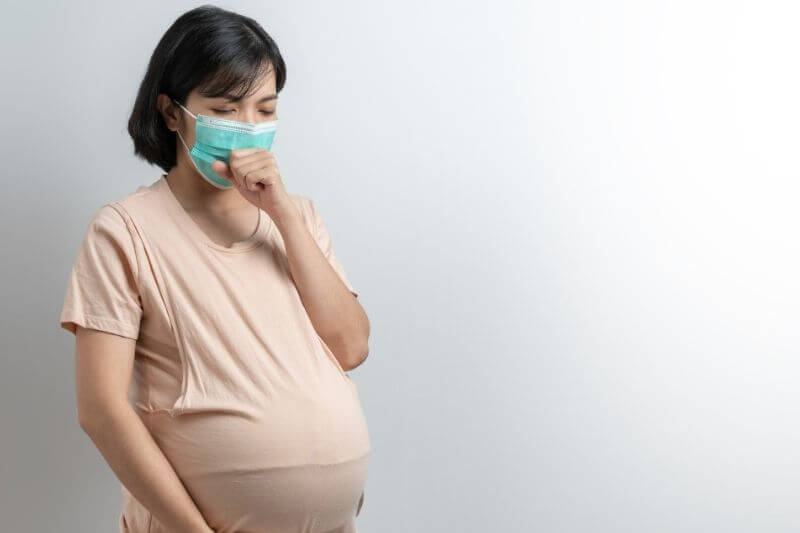
Dr Sangeta Vadivelu: Women with weakened immunity, anaemia or pregnancy may face a higher risk of infections and complications. Their immune systems may be less effective at fighting illness, which can make it harder for the body to recover from a respiratory infection.
These women should be more cautious when symptoms such as coughing, fever, breathlessness or chest discomfort appear, particularly if the symptoms are persistent or worsening.
10. When should diseases like tuberculosis or pneumonia be suspected?

Dr Sangeta Vadivelu: Tuberculosis may be suspected when a person has a persistent cough lasting longer than two weeks. Other symptoms may include fever, night sweats, unexplained weight loss or coughing up blood.
Pneumonia often presents differently. It may cause a sudden fever, chills, cough with or without sputum, shortness of breath and chest pain that becomes worse when breathing. Some patients may also experience fatigue or confusion, especially when pneumonia develops after another respiratory infection.
These symptoms should be assessed by a doctor, as both tuberculosis and pneumonia require proper diagnosis and treatment.
11. How can a doctor tell the difference between a simple cough and a lung infection?
Dr Sangeta Vadivelu: Doctors look at a combination of symptoms, physical examination findings and test results when determining whether a cough is caused by a simple illness or a lung infection.
Signs that may point towards an infection include fever, shortness of breath, chest pain, a persistent or worsening cough, and yellow, green or bloody phlegm. During the physical examination, abnormal lung sounds such as crackles or wheezing may also suggest an infection.
If needed, the respiratory physician may recommend a chest X-ray or blood tests to confirm the diagnosis and determine the most suitable treatment.
12. What warning signs mean urgent medical help is needed?

Dr Sangeta Vadivelu: Some respiratory symptoms require immediate medical attention and should never be ignored. Seek urgent help if you experience severe shortness of breath or difficulty breathing, especially while resting.
Other emergency warning signs include bluish lips, face or fingertips, persistent or worsening chest pain, confusion, unusual drowsiness, sudden dizziness, high fever with chills, and rapid breathing.
Wheezing or stridor, which is a high-pitched breathing sound, that worsens quickly also requires urgent care. Coughing up blood, producing large amounts of thick mucus or experiencing symptoms that continue to worsen despite treatment are also serious warning signs.
These symptoms may indicate a respiratory emergency such as pneumonia, a severe asthma attack, a COPD flare-up or pulmonary embolism.
13. Can late treatment cause permanent lung damage?
Dr Sangeta Vadivelu: Delaying treatment for serious lung conditions may lead to long-term consequences.
Conditions such as pneumonia, tuberculosis, COVID-19 and COPD can cause scarring, also known as fibrosis, or other permanent damage when they are not treated promptly. This damage can reduce lung function and affect a person’s ability to breathe comfortably in the long term.
Seeking medical care early may help reduce the risk of lasting damage and improve the chances of a full recovery.
14. How important is early treatment for lung infections?
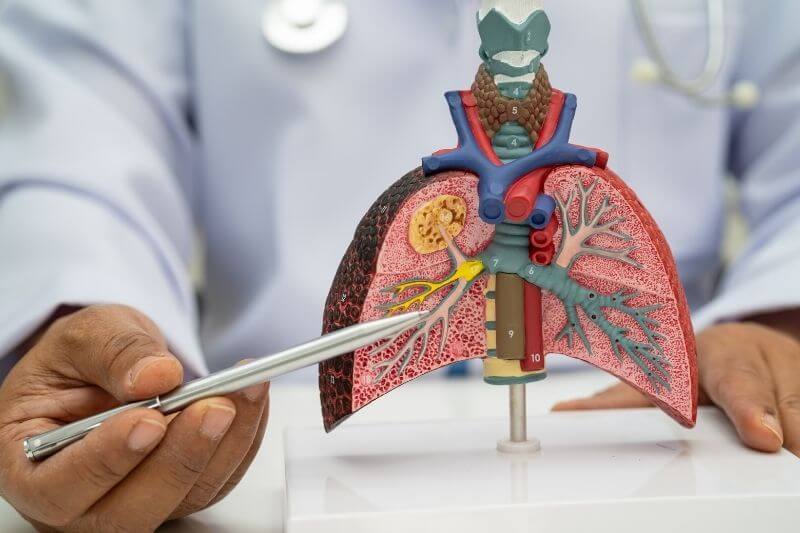
Dr Sangeta Vadivelu: Early treatment is extremely important when dealing with lung infections.
Dr Sangeta explains that prompt treatment can prevent an infection from worsening, lower the risk of complications such as pneumonia or sepsis, and improve recovery time.
Delaying treatment may result in more severe illness, a longer recovery period and prolonged damage to lung tissue. The earlier the condition is identified, the sooner doctors can provide appropriate treatment and monitor the patient’s progress.
15. How can regular follow-up help in recovery, and why do some women delay seeing a doctor for lung symptoms?
Dr Sangeta Vadivelu: Regular follow-up allows doctors to monitor a patient’s recovery, adjust treatment when needed and detect complications early. It also gives patients the opportunity to discuss any new or persistent symptoms and receive ongoing support throughout their recovery.
However, some women delay seeking medical care because they may assume that coughing, tiredness or shortness of breath is caused by ageing, stress or a minor illness. Others may prioritise caregiving responsibilities, worry about the cost or time involved, fear receiving a serious diagnosis or simply be unaware of the risks of lung disease in women.
Your Health Matters Too, Mummies

For many mothers, taking time to see a doctor can feel difficult when there are children, work and household responsibilities to manage. However, putting off treatment may allow a condition to worsen.
A persistent cough is not always a sign of something serious, but it should not be ignored when it continues for weeks or appears together with breathlessness, fever, chest pain, weight loss or coughing up blood.
Getting checked early may help prevent complications, protect lung function and make recovery easier.
Disclaimer: The information provided in this article is for informational purposes only and should not be considered as medical advice from Motherhood. For any health-related concerns, it is advisable to consult with a qualified healthcare professional or medical practitioner.
For more insightful stories and fun recipes, stay tuned to Motherhood Story!