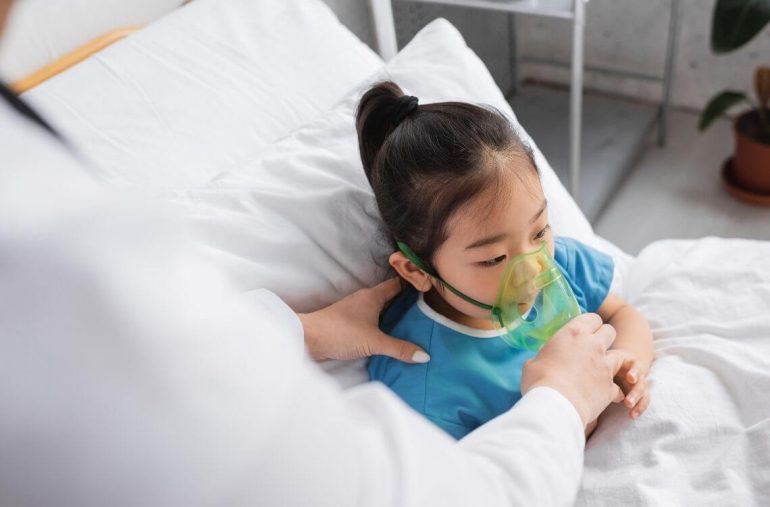
A cough, runny nose or fever is nothing unusual when you have young children. Sometimes, it can feel like one bug ends just as another begins.
But as parents, there’s always that question at the back of our minds: How do I know when it’s becoming something more serious?
And when you have babies, young children and grandparents spending plenty of time together, respiratory health becomes something that concerns the whole family.

In this edition of Chat With Experts, we speak to Dr Sangeetha Siniah, Consultant Paediatrician (Paediatric Infectious Disease and Immunologist), Sunway Medical Centre Velocity, about the signs parents should look out for, pneumonia and pneumococcal disease, and how families can better protect everyone at home.
Q: A cough and fever often seem harmless at first. What signs suggest that a child may be developing something more serious than a common cold?
Dr Sangeetha Siniah: A cough and fever can occur with many childhood respiratory infections. Parents should therefore look at the child’s overall condition, particularly how they are breathing, feeding and behaving, rather than relying on the temperature alone.
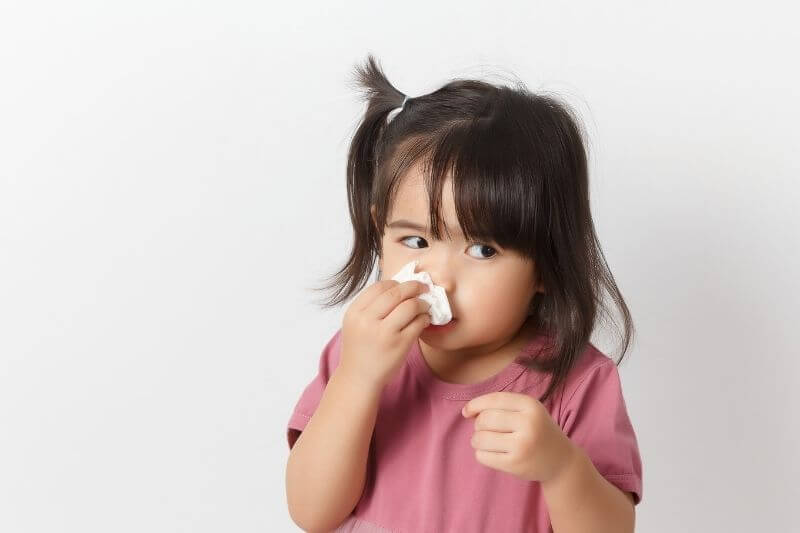
Signs that a child may be having difficulty breathing include:
- Breathing that is noticeably faster than usual.
- The lower chest or skin between the ribs pulling inward with each breath.
- Grunting, flaring of the nostrils, or increased use of the chest and neck muscles to breathe.
- Breathing that appears laboured or increasingly difficult.
In younger children, and particularly those who are immunocompromised, symptoms may be more subtle, and they may not always develop a fever, so parents should remain attentive to changes in breathing, feeding and behaviour.
Parents should also watch for vomiting, unusual sleepiness, irritability or reduced responsiveness, as these may indicate that the child is becoming more unwell.
These signs do not confirm pneumonia on their own, but they should prompt timely assessment by a healthcare professional.
Q: How quickly can a respiratory infection progress into pneumonia, and which warning signs should parents never wait to “monitor at home”?
Dr Sangeetha Siniah: There is no single fixed timeline for a respiratory infection to progress into pneumonia. The course may differ according to the child’s age, the cause of the infection, and the child’s underlying health, so parents should focus on whether the child’s overall condition is worsening.
Parents should seek prompt medical assessment if the child develops any of the following warning signs:
- Fast, laboured or increasingly difficult breathing.
- The lower chest pulling inward, grunting or flaring of the nostrils.
- Bluish lips or skin.
- Unusual drowsiness, reduced responsiveness, difficulty waking or restlessness.
- Refusal to feed, inability to drink, or vomiting.
Pneumonia requires particular caution, especially in very young infants.
As a general rule, any cough that persists for more than two weeks should also be evaluated by a healthcare professional. When parents are unsure or concerned about their child’s symptoms, it is appropriate to seek medical advice rather than continue monitoring at home.
Q: Are babies and young children more vulnerable to pneumococcal disease, and what makes infections more serious in this age group?
Dr Sangeetha Siniah: Yes. Babies and young children are among the groups at greater risk of serious pneumococcal disease.
Streptococcus pneumoniae can cause serious clinical syndromes such as pneumonia, bacteraemia, and meningitis. It can also cause less serious, but more common, syndromes like acute otitis media and sinusitis.
Young children, particularly those under two years of age, have developing immune systems and are therefore an important group to protect against serious bacterial infections such as pneumococcal disease. Vaccination is one of the preventive measures that can help protect young children against serious pneumococcal disease.
Young children may also carry pneumococcal bacteria in the nose or throat without appearing unwell. This is known as pneumococcal carriage.
Carriage is not the same as active disease, but it allows the bacteria to remain in the upper respiratory tract and potentially spread through direct contact with respiratory droplets. In some cases, pneumococcal disease can be serious and may include pneumonia, bloodstream infection, or meningitis.
A Klang Valley study involving 101 healthy children aged two to five years found that 39.6% had pneumococcal carriage based on throat swabs, despite having no acute respiratory symptoms at enrolment.
This suggests that healthy young children may carry the bacteria and may contribute to transmission during close contact, although the findings reflect a specific pre-vaccination study population and should not be taken as the current prevalence among all Malaysian children.
Q: In a multi-generational household, how can respiratory infections affect both young children and older family members?
Dr Sangeetha Siniah: In a multi-generational household, children, parents and older relatives often share living spaces and have frequent close contact. This can create opportunities for pneumococcal bacteria to spread through direct contact with respiratory secretions, including saliva and mucus, especially during coughing, sneezing, or direct person-to-person interaction.
In Malaysia, pneumonia accounted for 15,332 deaths, or 11.5% of medically certified deaths, in 2024. Among people aged 60 years and above, pneumonia accounted for 11,989 deaths, or 13.9% of medically certified deaths in that age group. This highlights the substantial burden of pneumonia among older adults.
However, pneumococcal disease can present in different ways across age groups. Children younger than five years old, adults aged 50 years and older, and people with certain medical conditions are at increased risk for pneumococcal disease.
Pneumococcal disease can include less serious but more common syndromes such as acute otitis media and sinusitis, and more serious clinical syndromes such as pneumonia, bacteraemia, and meningitis.
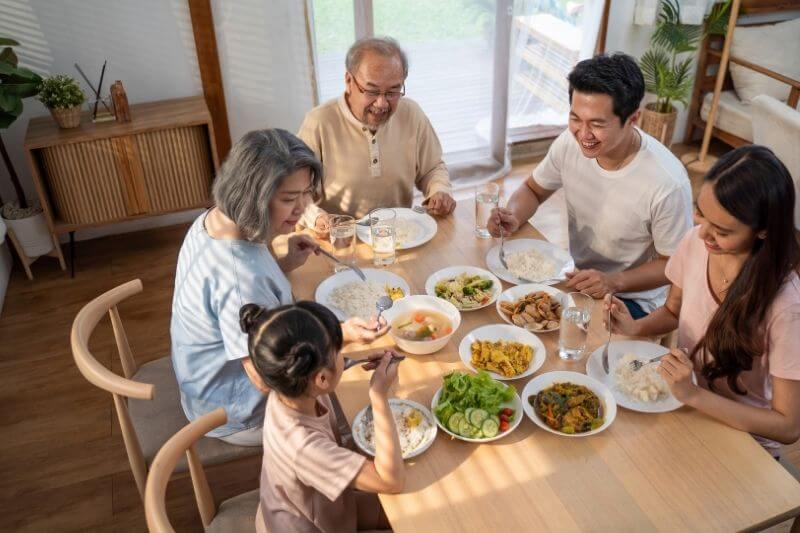
Close contact is common in multi-generational households, where family members may share meals, living spaces and caregiving responsibilities. Hence, families should take practical precautions such as:
- Covering coughs and sneezes.
- Washing hands regularly.
- Improving ventilation where practical.
- Avoiding sharing cups or utensils while someone is unwell.
- Reducing close face-to-face contact until symptoms improve.
- Speaking with a healthcare professional about preventive measures appropriate for each family member, including vaccination.
Q: What are some common misconceptions younger parents may have about pneumonia and who is considered at risk?
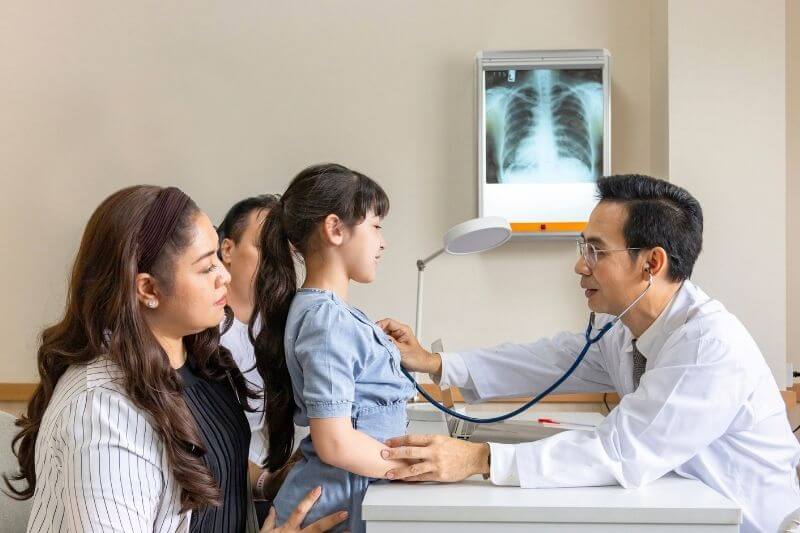
Dr Sangeetha Siniah: A common misconception is that pneumonia is simply a more severe cold. A cold mainly affects the upper respiratory tract, while pneumonia is an infection affecting the lungs.
In children, fast breathing, chest indrawing, increased breathing effort, poor feeding or reduced responsiveness should prompt medical assessment.
Another misconception is that pneumonia only affects young children or people who already appear frail. Pneumonia can affect people across different age groups.
Young children, adults aged 65 years and above, and people with certain chronic illnesses or weakened immune systems may have a higher risk of serious illness.
Younger children may become ill more quickly. In some cases, a bacterial pneumococcal infection can progress beyond the lungs into the bloodstream, resulting in invasive pneumococcal disease such as bacteraemia or sepsis.
This is why changes in a child’s breathing, feeding, alertness or overall condition should be assessed promptly rather than judged by fever alone.
Q: Many parents focus mainly on their children’s vaccinations. Why is it important to also consider protection for adults and older family members in the household?

Dr Sangeetha Siniah: Childhood vaccination remains important, but protection within a multi-generational household should not be viewed as a child-only matter.
Adults and older family members may have different vaccination needs depending on their age, medical conditions, immune status and previous vaccination history.
Older adults and people with certain chronic medical conditions may have a greater risk of serious pneumococcal disease, including invasive pneumococcal disease, and pneumococcal pneumonia.
Vaccination is one part of a broader prevention approach. Families should also practise hand and respiratory hygiene, reduce close exposure when someone is unwell, manage certain chronic conditions appropriately, recognise warning signs and seek timely medical care.
Families should speak with a healthcare professional who can review each person’s age, underlying conditions and previous vaccination history before advising what may be appropriate.
Q: How should vaccination needs differ across babies, children, adults and seniors, and who should families speak to for personalised advice?
Dr Sangeetha Siniah: Vaccination needs change across the life course. Age, underlying medical conditions, immune status and previous vaccination history can affect which vaccines and schedules may be appropriate.
For babies and young children, Malaysia’s National Immunisation Programme includes vaccinations for babies and children according to a schedule set by the Ministry of Health. Pneumococcal vaccination is listed among the vaccines in the infant immunisation schedule. Parents can speak with a healthcare professional if they have questions about their child’s vaccination schedule.
For older children, the child’s vaccination record should be reviewed to determine whether the routine schedule was completed, whether any doses were delayed and whether an underlying health condition requires additional consideration.
For adults and seniors, vaccination needs vary according to age, medical conditions, immune status and previous vaccination history. A healthcare professional can review whether pneumococcal vaccination may be appropriate.
Because vaccination needs vary across individuals, families should not select or repeat pneumococcal vaccine doses without professional advice. They should bring available vaccination records to a paediatrician, family medicine doctor or qualified healthcare professional who can assess the person’s age, medical history and previous vaccinations.
Q: Beyond vaccination, what practical steps can parents take to help reduce the spread of respiratory infections and help protect everyone at home?
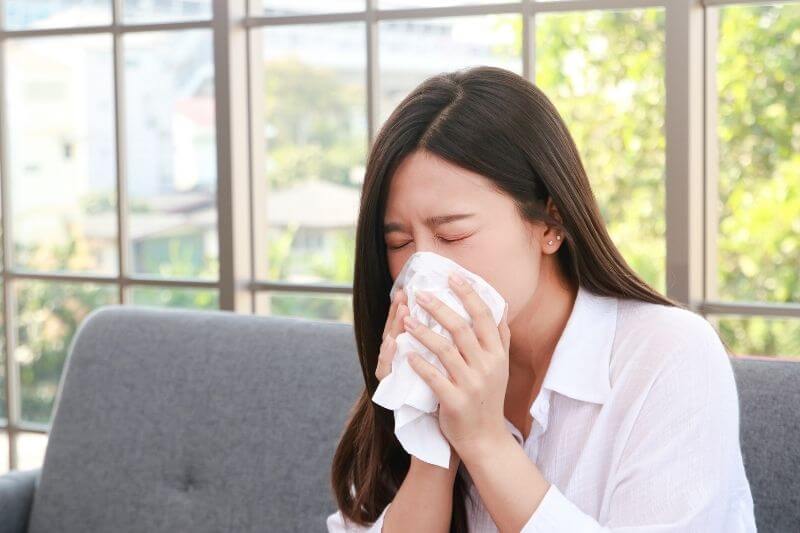
Dr Sangeetha Siniah: Families can also help reduce the risk of respiratory infections spreading and support children’s respiratory health by:
- Washing hands regularly, particularly after wiping a child’s nose, handling used tissues or caring for someone who is unwell.
- Covering coughs and sneezes with a tissue or the inside of the elbow, discarding used tissues promptly and washing or sanitising their hands afterwards.
- Avoiding touching the eyes, nose and mouth with unwashed hands.
- Improving indoor airflow by opening windows or doors when safe and practical, using exhaust fans or spending time outdoors rather than gathering in crowded indoor spaces.
- Cleaning frequently touched household surfaces, particularly when someone at home is unwell.
- Reducing close face-to-face contact with babies, older adults and people with underlying health conditions when a household member is acutely unwell.
- Maintaining a smoke-free home and avoiding smoking or vaping around children.
Parents should continue to monitor how the child is breathing, feeding and behaving. Fast or difficult breathing, poor feeding, bluish lips, unusual drowsiness, or worsening symptoms should prompt timely medical assessment.
Protecting Your Family Starts with Knowing the Signs
When your child is unwell, knowing what to watch for can make it easier to recognise when it may be time to seek medical attention.
Rather than focusing on fever alone, pay attention to how your child is breathing, feeding and behaving, and seek medical advice if you are concerned about their symptoms or overall condition.
Protecting the family also goes beyond our little ones. Vaccination, good hand and respiratory hygiene, reducing close exposure when someone is unwell, recognising warning signs and seeking timely medical care can all form part of a broader approach to prevention.
For personalised advice, speak to a qualified healthcare professional about the preventive measures and vaccinations that may be appropriate for each member of your family.
Disclaimer: The information provided in this article is for informational purposes only and should not be considered as medical advice from Motherhood. For any health-related concerns, it is advisable to consult with a qualified healthcare professional or medical practitioner.
For more insightful stories and fun recipes, stay tuned to Motherhood Story!