You’ve finally put your little one into bed.
The nightlight is on, and you’re just about to sneak out of the room when, grrkkk..what was that sound?
That unmistakable grinding noise. Like tiny stones scraping together.
It might come as a surprise, but many children grind their teeth in their sleep.
In fact, you’re not alone in noticing this slightly alarming bedtime behaviour.
While it can sound worrying, teeth grinding, known medically as bruxism is actually quite common in children.
But that doesn’t mean you shouldn’t take it seriously.
In this article, we’ll explore:
-
Why children grind their teeth
-
What causes bruxism in kids
-
When to worry (and when not to)
-
What you can do to help
What Is Teeth Grinding (Bruxism) in Children?

Teeth grinding, or bruxism, refers to the involuntary clenching, grinding, or gnashing of teeth.
It often occurs during sleep but can also happen while awake.
There are two main types:
-
Sleep bruxism: unconscious grinding during sleep
-
Awake bruxism: clenching or grinding during the day, usually linked to emotions like stress or concentration
According to research published in Tandfonline, the prevalence of bruxism in children ranges widely, from 9.1% to 40.3%.
Two recent studies even observed an increased rate during the COVID-19 pandemic, likely due to rising stress and lifestyle changes .
While occasional grinding might not be a cause for concern, persistent or loud bruxism can point to underlying issues that deserve a closer look.
Why Is My Child Grinding Their Teeth?
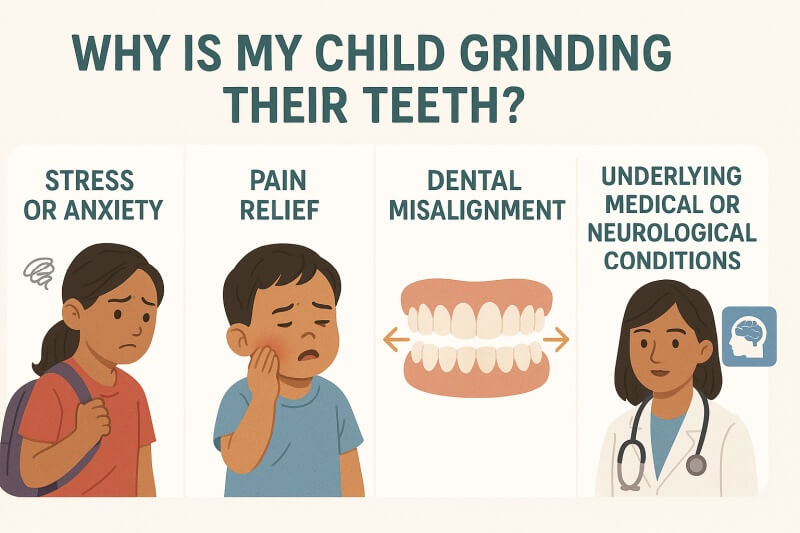
The truth is, teeth grinding (or bruxism) in children doesn’t usually have a single, clear cause.
More often than not, it’s a mix of emotional, physical, and sometimes even environmental triggers.
Let’s unpack the most common ones together:
1. Stress or Anxiety
Believe it or not, kids get stressed too.
Even if they’re not saying it out loud, children often show their stress in physical ways.
Teeth grinding can be one of them.
Think about it – starting a new school, having a baby sibling, moving house, or even just picking up on tension at home can all make a child feel unsettled.
But unlike adults, who might vent or scroll their stress away, children often don’t know how to express what they’re feeling.
So their little bodies find other ways to cope and grinding their teeth in their sleep might be one of those silent signs.
If you’ve noticed your child grinding their teeth and they’ve had a big change or emotional event recently, it might be their way of processing everything.
2. Pain Relief (Especially During Teething or Illness)
Another reason? Simply physical discomfort.
Toddlers and young children who are teething sometimes grind their teeth to self-soothe.
It’s like a built-in massage for their sore gums.
Similarly, if they’re feeling under the weather – think earaches, blocked sinuses, or even a mild fever, they may clench their jaw or grind their teeth to relieve pressure or distract themselves from the pain.
So, if your little one is teething or just getting over a cold, don’t be surprised if the teeth grinding ramps up. It’s not ideal, but it’s understandable.
3. Dental Misalignment
This one’s a bit more structural.
Sometimes, a child’s top and bottom teeth don’t quite line up the way they should.
When that happens, the bite feels “off” – especially during sleep when the body tries to naturally correct things.
The result? Grinding or clenching.
Because a child’s mouth is still growing, their teeth and jaws are constantly shifting.
This makes misalignment a fairly common cause of bruxism in kids.
If the grinding continues, it’s worth having a dentist check if there’s something going on with how the teeth are coming together.
4. Underlying Medical or Neurological Conditions
In some cases, teeth grinding isn’t just about stress or sore gums – it might be linked to something deeper.
Studies have found connections between bruxism and conditions like:
-
ADHD: where hyperactivity and sensory sensitivity may play a role
-
Sleep apnoea: where disrupted breathing leads to frequent micro-awakenings and jaw tension
-
Cerebral palsy: which may affect muscle control, including the jaw
If your child has a diagnosed condition or you’ve noticed other developmental concerns alongside the grinding, it’s a good idea to speak with both your paediatrician and dentist.
They may refer you to a sleep specialist or other professionals for a more detailed assessment.
But don’t panic, my fellow parents!
Just because a child grinds their teeth doesn’t automatically mean something serious is going on. This is just one piece of a bigger picture.
5. Habit Or Just a Quirky Coping Mechanism
And sometimes? It’s just a habit.
Some kids grind their teeth when they’re concentrating.
Others might do it when they’re bored, overstimulated, or simply because it feels satisfying (much like nail-biting or hair-twirling).
Children who are more energetic or sensitive to noise, textures, or lights might be more prone to developing repetitive physical habits – grinding included.
If your child tends to clench their jaw or grind their teeth during the day – especially when they’re focused or fidgety, it could be more behavioural than medical.
The good news is, habits like this can often be redirected with gentle reminders, stress-reducing techniques, or the help of an occupational therapist if needed.
Is It Normal or Should I Worry?

So, is tooth grinding something to stress about, or just one of those odd little things they’ll grow out of?
The short answer: in many cases, it’s completely normal.
But like many things in parenting, it’s about keeping an eye on the details.
Let’s break it down so you can tell the difference between harmless bedtime noise and something worth bringing up with your child’s dentist or doctor.
When It’s Likely Nothing to Worry About
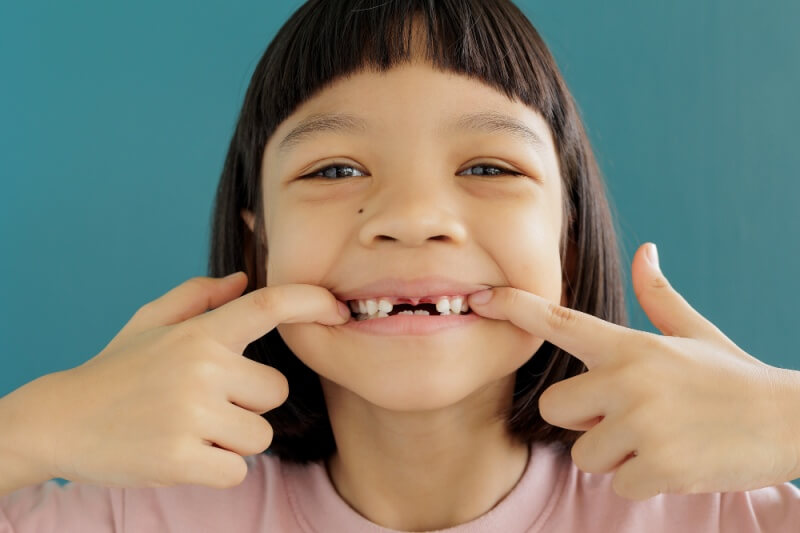
If your child grinds their teeth now and then but otherwise seems fine chances are it’s a passing phase.
You might hear it on and off, especially during teething stages or after a particularly emotional day, but it usually doesn’t last.
Here are a few reassuring signs that everything’s likely okay:
-
It happens only occasionally, not every night.
-
Your child doesn’t complain of jaw pain, headaches, or discomfort.
-
Their teeth look normal, no cracks, chips, or excessive wear.
-
Your dentist has checked and found no issues with bite alignment or enamel damage.
In these cases, bruxism often resolves on its own as your child grows.
No need to lose sleep over it but do continue to observe, especially during times of stress or illness.
When You Might Need to Be Concerned

Now, if the grinding is loud, persistent, or comes with other warning signs, it’s worth taking a closer look.
Here are some red flags that signal it might be more than just a quirky habit:
-
It happens almost every night. You hear it regularly and consistently, sometimes for long periods.
-
The grinding is loud enough to wake others or be clearly audible from another room.
-
Your child complains of jaw pain, especially in the morning, or mentions earaches and headaches that seem to have no clear cause.
-
You notice visible damage to the teeth – flattened edges, chips, increased sensitivity, or signs of enamel erosion.
-
Your child seems tired during the day, struggles with concentration, or appears cranky and irritable – these could be signs of disturbed sleep caused by bruxism.
-
There’s clenching or grinding during the day, not just at night, especially if it’s linked to stress, concentration, or anxiety.
In these cases, don’t panic, but do take action.
Start by scheduling a visit to your child’s dentist, who can examine their teeth, assess the wear, and ask the right questions to determine if it’s affecting their health.
If needed, they might refer you to a paediatrician, sleep specialist, or child psychologist, depending on the suspected root cause – be it dental misalignment, sleep disturbance, or emotional stress.
Why It’s Important to Address Ongoing Bruxism
According to the NHS, persistent teeth grinding, especially when left untreated can lead to long-term issues, including:
-
Tooth damage (flattened, chipped, or cracked teeth)
-
Jaw pain or stiffness
-
Temporomandibular joint (TMJ) disorders
-
Poor sleep quality leading to daytime fatigue and behavioural issues
In some cases, these effects can also interfere with speech development, chewing, and overall wellbeing, especially if your child is still very young.
What Can I Do to Help?

The reassuring news is that most children will outgrow teeth grinding as they get older, usually by their early teens.
But while they’re still in the habit, there are several things you can do as a parent to help ease the grinding, support better sleep, and protect their developing teeth.
Here’s a deeper look into what may help:
1. Reduce Stress Before Bed
Stress and anxiety are among the most common triggers of bruxism in children.
One of the best ways to help is to create a calm, predictable bedtime routine that allows your child to unwind both mentally and physically.
This could include a warm bath or shower, quiet time with a bedtime story, or soft background music.
The goal is to slow down their body and mind before they drift off to sleep.
You can also encourage your child to talk about their day – what went well, what bothered them, and what they’re looking forward to.
For slightly older children, drawing or keeping a journal before bed can be a helpful way to release thoughts and emotions they might otherwise bottle up.
Try to keep the hour before bedtime screen-free.
The light from devices can interfere with melatonin production, making it harder for your child to relax fully.
2. Monitor Diet and Hydration
What your child eats and drinks throughout the day and especially close to bedtime, can have a direct impact on their sleep quality and overall tension levels.
Make sure your child stays well-hydrated by drinking plenty of water.
Dehydration has been linked to increased teeth grinding in some studies, and proper hydration helps the body function more efficiently overall.
It’s also worth looking at their evening diet.
Reducing sugary snacks, fizzy drinks, chocolate, and processed foods in the hours before bedtime may help improve the depth and quality of their sleep.
Avoiding caffeine altogether is best, even in small amounts found in certain soft drinks or chocolate, as it can overstimulate their nervous system.
Encourage a light, balanced dinner and a calming bedtime snack if needed something like a banana or warm milk can help some children feel more settled.
3. Encourage Jaw Relaxation During the Day
Many children aren’t even aware that they clench or grind their teeth.
Helping them become more aware of their mouth and jaw throughout the day can make a big difference.
You can gently remind them to keep their lips together and their teeth apart when they’re not eating or speaking.
This relaxed jaw posture can prevent unconscious clenching.
Try to discourage habits like chewing on pens, pencils, fingernails, or gum, as these can keep the jaw engaged unnecessarily and reinforce the grinding behaviour.
Before bed, try doing a few fun and gentle jaw relaxation exercises.
This could be something like puffing out the cheeks, making silly faces, yawning widely, or pretending to blow up a balloon.
Even massaging the jaw area lightly with your fingertips can release tension and set a relaxed tone before sleep.
Turning this into a game or bonding activity helps avoid making it feel like a chore.
4. Speak with Your Child’s Dentist
If your child’s teeth grinding is frequent or showing signs of wear and tear, a visit to the dentist is a good next step.
The dentist will be able to check for signs of enamel damage, flattening of the teeth, or any other signs that the grinding is affecting their oral health.
In some cases, the dentist may suggest a custom-fitted night guard to protect your child’s teeth during sleep.
These are more commonly recommended for older children who already have their permanent teeth, as younger children’s mouths are still growing and changing too quickly for a long-term fit.
The dentist may also check to see if there are any bite alignment issues that could be contributing to the grinding.
If necessary, they can refer your child to a paediatric sleep specialist or orthodontist for further evaluation.
Even if treatment isn’t needed right away, having a professional assessment can give you peace of mind and a clearer picture of what to watch out for moving forward.
5. Explore Behavioural or Emotional Support
In cases where teeth grinding is linked to anxiety, trauma, or neurodevelopmental conditions like ADHD, it might be helpful to explore behavioural support.
A child psychologist, counsellor, or occupational therapist can work with your child to better understand what’s triggering the grinding and help them develop healthier coping mechanisms.
Cognitive behavioural therapy (CBT), relaxation training, and mindfulness exercises are often effective tools for reducing stress-related habits, including bruxism.
These approaches not only help with grinding but can also improve your child’s overall emotional wellbeing, sleep quality, and resilience in the face of change or challenges.
If your child tends to internalise their emotions or finds it difficult to express what’s on their mind, speaking with a trained professional can make a world of difference.
Parents, You’re Doing Just Fine