Starting solids can feel exciting at first, until parents actually have to begin.
Suddenly, there are so many questions. Is my baby ready? Should I start with purée? Do I need to steam everything? What if my baby does not like it?
With advice coming from everywhere, it can feel like parents are expected to become baby food experts overnight.
In a recent episode of AskMeDoctor! by Motherhood.com.my, we spoke to Dr Hieu Yu Jin, Consultant Paediatrician from Mini Child Specialist Clinic, about how parents can start solids in a way that feels simple, less intimidating, and more manageable for real life.
Q: How can parents start their baby’s solids journey with more confidence?
Dr Hieu Yu Jin: First, it is completely normal to feel unsure at the start.
For many parents, starting solids feels like a big step because it is not just new for the baby; it is new for the parents too.
Instead of trying to get everything perfect, it helps to look at this as a gradual learning process.
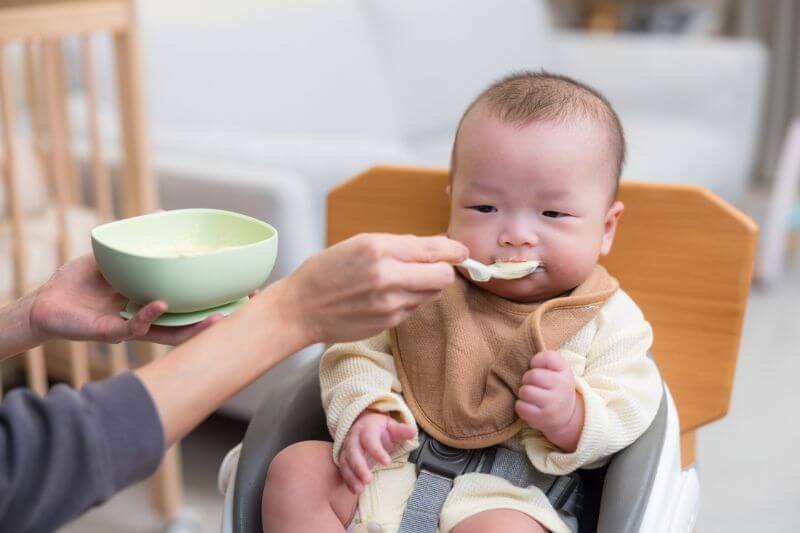
One of the most useful things parents can do is look out for readiness signs.
For example, a baby should have good head and neck control, be able to sit with support, and show interest when others are eating.
These signs are important because starting solids is not only about age. It is also about whether the baby is developmentally ready to begin exploring food safely.
Age is a guide, and like everything else, every child is different. What is most important is readiness. When parents understand what to look for, they can start with more confidence and less fear.
Q: Do baby meals need to be extensive in the beginning?
Dr Hieu Yu Jin: Not at all. In the beginning, simple is often better.
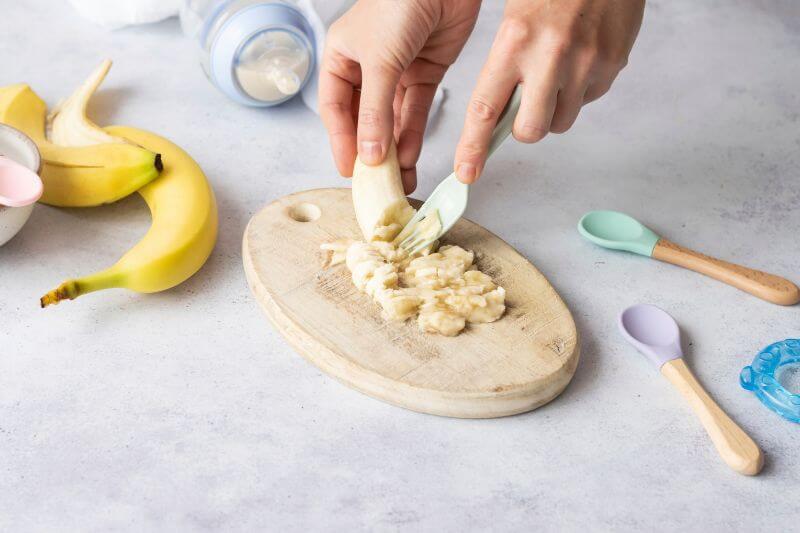
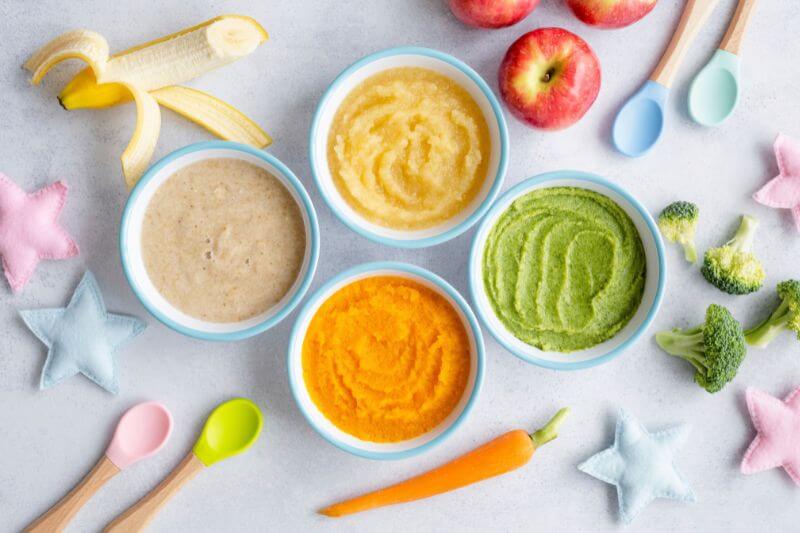
Parents can start with single-ingredient foods that are prepared in a texture suitable for the baby’s stage. This helps the baby adjust to new tastes and textures one at a time.
It also makes it easier for parents to observe how babies respond to each food.
At the beginning, the baby may only take a small amount. Sometimes, just a taste is enough. That is very normal.
Starting simple makes the process less stressful for parents and gives the baby time to slowly get used to eating.
Babies are learning. A new food, new texture, or even a new smell can feel unfamiliar to them.
Refusing food once does not mean a baby will never accept it. It can take repeated exposure before a baby accepts something new.
Patience is very important during this stage.
Q: How should parents approach homemade versus store-bought baby food?
Dr Hieu Yu Jin: There is no one-size-fits-all answer.
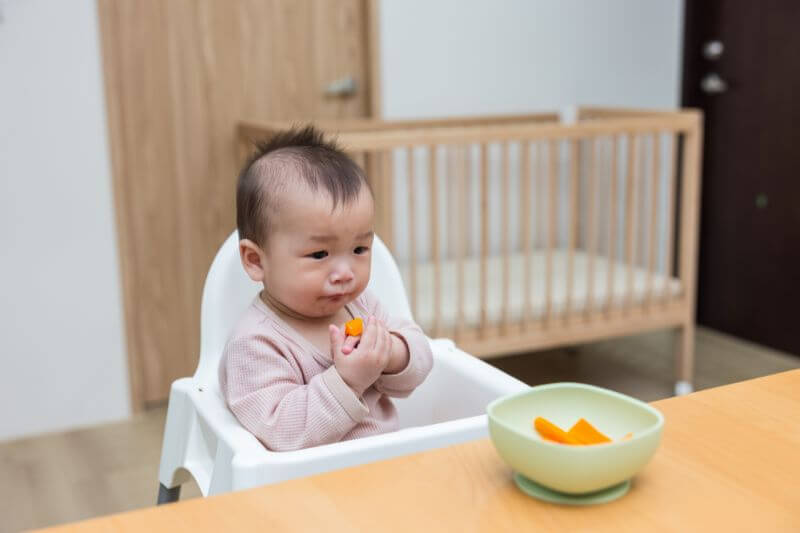
Some parents prefer homemade meals because they want to prepare the ingredients themselves or because they have the time.
Some parents use store-bought options because it is what is doable at that particular point. Many families do both.
What matters most is that the food is suitable for the baby’s age and stage, prepared safely, and supports their nutritional needs.
Parents should remember that both approaches can come from the same place: wanting the best for their baby.
Q: Why does preparing baby meals become overwhelming for many parents?
Dr Hieu Yu Jin: A lot of the time, it comes down to time and energy.
Preparing baby meals can sound simple, but in real life, parents are already managing many things. Work, household responsibilities, feeding schedules, naps, cleaning, and everything else.
When baby food preparation involves too many steps, it becomes harder to sustain.
The first few weeks can also involve a lot of trial and error. Babies may refuse food, spit it out, or throw it.
This can feel discouraging, especially when parents have spent time preparing the meal.
However, parents should remember that this is part of the learning process.
Babies are not only learning to eat. They are learning new textures, new tastes, and how to move food around in their mouth.
Refusal does not always mean failure. Sometimes babies simply need more time.
Q: What are some practical ways to make baby food prep more manageable?
Dr Hieu Yu Jin: The first thing is to keep it simple.
Parents do not need to prepare complicated meals at the beginning. Simple ingredients, suitable textures, and small portions are enough.
Planning a little ahead can also help. It does not have to be a full weekly meal plan. Even knowing one or two foods you want to introduce for the week can make things easier.
Reducing steps can also make a big difference. If preparation feels too complicated, parents may find it harder to continue.
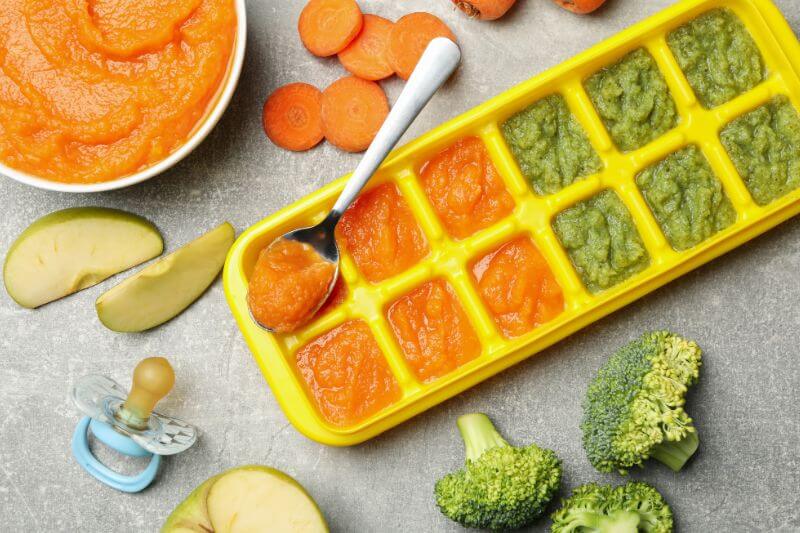
Using simple methods, preparing small batches, or finding tools that help make steaming, blending, or storing easier can help parents fit baby food prep into their routine.
When the process feels easier, it becomes more sustainable.
The goal is to make feeding part of everyday life, not something that feels like a separate project.
How Philips Avent Supports Easier Baby Food Preparation
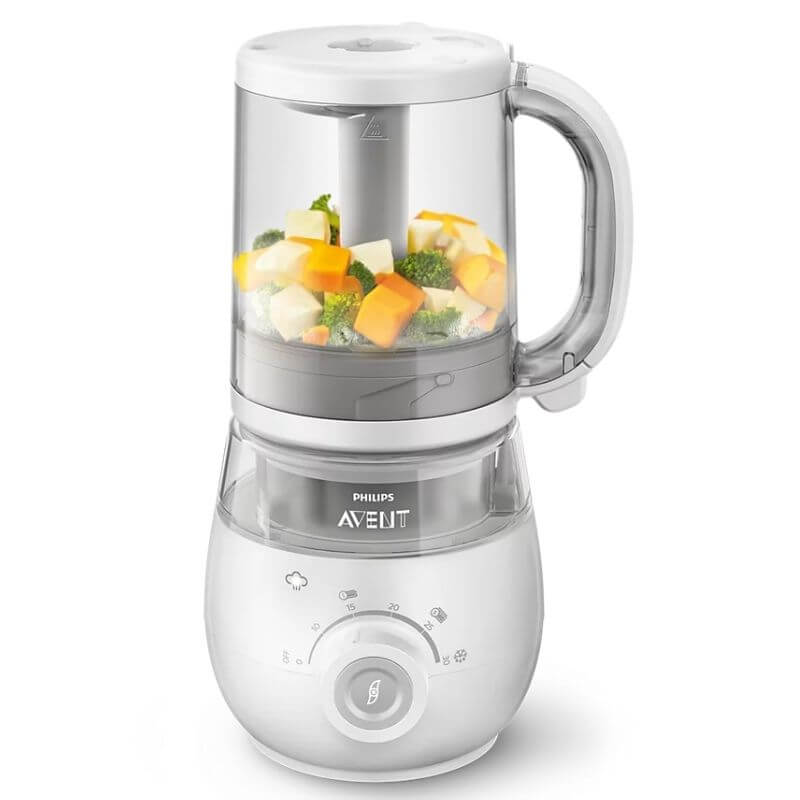
For parents who want to prepare homemade baby food in a simpler way, the Philips Avent Premium 4-in-1 Steamer Blender helps make the process feel more manageable.
It is designed to steam, blend, defrost and reheat all in one product, making it easier for parents to prepare babies’ meals without using multiple tools.
Parents can use it to prepare smooth purées in the beginning, then move on to chunkier textures as their baby grows.
Being able to steam and blend in the same jar also helps reduce the number of steps during food preparation. For busy parents, this can make starting solids feel less stressful and easier to fit into everyday routines.
So, mummies and daddies, if you are starting your baby’s solids journey and looking for more support in preparing simple homemade meals, explore Philips Avent’s range of mother and baby care solutions.
Disclaimer: The information provided in this article is for informational purposes only and should not be considered as medical advice from Motherhood. For any health-related concerns, it is advisable to consult with a qualified healthcare professional or medical practitioner.
For more insightful stories and fun recipes, stay tuned to Motherhood Story!