
We’ve once discussed the many ways parents teach and ensure a child’s safety.
We’ve also previously talked about how even sharing about your children online can threaten their safety.
Today, we’ll dissect how the notion of ‘consent’ plays a role in our children’s safety and what we can do as modern parents.
The Age of Consent
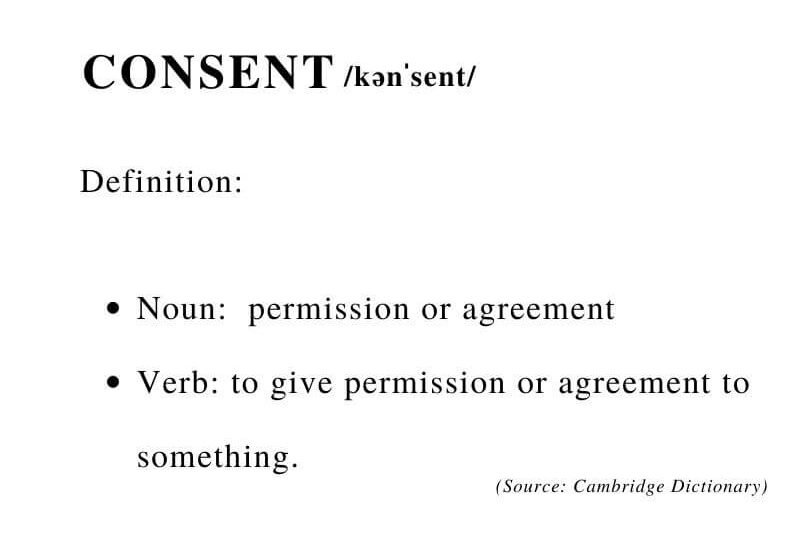
Consent is often legally linked to sexual consent.
But by definition, it simply means the act of giving permission or agreement to something you are asked to do.
According to child rights activist James Nayagam of the Suriana Welfare Society, at least one in 10 children in Malaysia is likely to experience emotional, physical or sexual abuse.
This is why parents today find themselves in heated discussions about where and when exactly they should start talking about consent with their little ones.
Because the legal age of consent is generally the age of 16, it falls onto parents to teach their children as early as possible how and why their consent matters.
And with young children, parents don’t need to make it about the birds and the bees!
You can start teaching your child about consent as early as toddlerhood, using simple everyday habits such as asking permission before touching or picking them up.
10 Everyday Ways To Introduce the Concept of Consent to Your Children

It might sound silly to some to have to ask your child if you could hold their hand when you’re their parent.
The crux of this discussion, though, essentially spotlights one important lesson: children have an inherent right to self-autonomy, and it’s the parents’ responsibility to teach them how to wield it like a superpower!
Without further ado, let’s explore how parents can begin instilling the concept of consent into their children’s everyday lives.
#1 Normalise Talking About Feelings

The earlier you have these talks with your young children, the wider the groundwork you’re laying for open and honest conversations with them when they are older.
Create a nurturing learning atmosphere for them first, before imparting any lesson at all!
And given that ‘consent’ is not a lesson learnt overnight, you’ll need to establish a healthy, communicative relationship with them beforehand and along the way.
Teach consent through everyday interactions, starting with respecting your child’s choices.
#2 Talk About Feeling ‘Safe’ and ‘Unsafe’

It’s important your little one understands it’s okay to speak up when they feel uncomfortable (or worse, if threatened).
Explain to them how feelings of safety and unsafe can manifest.
Have them talk to you about what makes them feel safe, and always keep aware of times they might feel otherwise.
Identify with them ‘safe adults’ who are in their lives, whom they can turn to anytime to share any concerns at all.
They can be parents, grandparents, godparents or close aunts and uncles.
Show your child that asking for permission is a normal part of everyday life.
#3 Teach Them to Ask For Consent

When it comes to talking to children about consent, it doesn’t have to only be about the bird and the bees.
You can save that for their teenhood instead!
With young children and toddlers, the focus should be on teaching them why giving and getting permission is important.
One of the best ways to begin is by teaching them to ask for permission when doing certain things.
These include knocking before entering a room, wanting to play with a sibling’s toy, or even when they are about to touch another child.
Teach your child that consent applies to everyday interactions, not just romantic or sexual situations.
#4 Ask For Their Consent Too

We know just how important consistency is when teaching children something new.
One simple way parents can be consistent with their lessons on consent is to simply ask for their consent too, as often as you can.
Ask them before you post their pictures online.
If you find yourself reassuring them after a tantrum or meltdown, ask if they would like a hug or how they’d like you to help them.
Ask what they feel like eating that day or let them decide on their daily wear.
Children learn best when they see for themselves how actions and behaviours are modelled before them.
With us parents usually being their first teachers, it’s all the more vital for us to walk the talk!
Let your child know that they never have to accept a touch simply because someone else wants it.
#5 Practice ‘No Means No’

Saying ‘no’ to your child once in a while sets a clear boundary for them not to cross, as there will be consequences.
It establishes a parent’s authority, and when practised appropriately, it teaches your child you love them.
Similarly, you need to show them the same regard for when they say ‘no’ too.
Your children need to believe their requests and words carry the same weight.
Stop tickling them if they request you to do so.
If they refuse to hug a relative, offer an alternative ‘high-5’ instead or perhaps a shake of the hand.
They need to learn from a young age that they are not invisible; they are heard and can make a difference—no matter how small.
Teach your child that saying “no” is acceptable and that their boundaries should be respected.
#6 Teach Them Non-Verbal Consent Cues

Non-verbal consent cues are ways to express your consent without using words.
They are through actions such as a thumbs up, a nod of the head, a slump in shoulders, a shrug or a certain change in body language.
Draw your child’s attention to everyday instances of these actions.
A smile doesn’t always mean ‘Yes’, and someone can still mean a firm ‘No’ while smiling.
The idea is to help them understand what others are feeling through their body language and how their body can have the same tendencies too.
Help your child recognise and communicate both verbal and non-verbal signs of discomfort.
#7 Show Them How ‘Yes’ Can Mean ‘No’

Let them change their minds over little things like their daily outfits or meals.
It brings them to the next important lesson: ‘yes’ can also mean ‘no’ (or later, ‘mean no’).
It’s so that if they ever find themselves in a situation where they have a change of mind or heart, they know they can very well change it—and so can others.
It empowers their self-confidence and critical thinking too.
That when it comes to many important lessons in life, it’s okay to change your mind, especially when it’s for your own good—and when your gut tells you to!
Teach your child that they can change their mind, even after initially saying yes.
#8 Practice Hand In Hand Parenting

Kate Orson is a Hand In Hand parenting instructor who advocates how this technique can very well save a lot of your time with the kids.
And it’s all about listening to them and allowing them to make their own choices.
Orson believes this builds a parent-child connection that breeds cooperation.
Adopting hand-in-hand parenting techniques with your children can help them practise and model consent.
You can do so by playlistening and letting them take charge during a specially allocated time or in everyday instances.
These may include meal prepping and picking out their daily outfits.
Respect your child’s boundaries so they learn that consent works both ways.
#9 Teach Them About Body Boundaries

Dr Melissa Kang, a physician and adolescent health researcher, told The Guardian:
“The younger the child, the more a parent or carer needs to physically touch a child in order to care for them – but there are many opportunities to frame these actions into consent-nurturing interactions.”
Caring for these little ones is a naturally physical experience, but parents can easily take advantage of that to teach them about crucial body safety rules and the three types of touches (safe, unsafe and unwanted).
The three types of touch can help children understand the difference between comfortable and uncomfortable physical contact.
Safe touches are touches that make a child feel cared for and comfortable, such as a hug, a pat on the back or help with a minor injury.
Unsafe touches can hurt or frighten a child, while unwanted touches are touches the child does not want, even if they may seem harmless to someone else. Children should know that it is okay to say no to an unwanted touch.
It can be during bathtime or even in the middle of a tickle fight—find ways to slip in these important facts when it’s most relevant to them.
Children can also learn simple body-safety rules: their body belongs to them; they can say no to unwanted touch; they can move away from an unsafe situation; they can tell a parent or another trusted adult when something feels wrong; and they should know that unwanted or unsafe touch is never their fault.
Teach simple body-safety rules so your child knows how to recognise and respond to uncomfortable or unsafe touch.
#10 Notice Their Discomfort

Noticing when your child is uncomfortable paves a way for you to practise hand-in-hand parenting.
This is where you get to ask them ‘What’s wrong?’ and ‘How can I help you feel better?’
And those are important openings for every child to speak about what bothers them and how to help them.
It teaches empathy while safeguarding their right to body and personal boundaries.
Pay attention to your child’s reactions and give them space to communicate when something does not feel right.
Say Yes to Consent
Ultimately, the prize-winning reason for parents today to teach their young children and toddlers about consent is to shield them from bullies and predators.
It’s never too early to teach your little ones just how firm their voices can and should be.
It may be more so for times to come, especially if you’re not around then.
But it will be your voice in their head that will help them summon the courage for a resounding, “NO! This is NOT right!”
You’ve got this, parents!
FAQs About Teaching Children About Consent
At what age should I start teaching my child about consent?
You can start teaching your child about consent as early as toddlerhood, using simple everyday habits such as asking permission before touching or picking them up.
What are the three types of touch?
Safe touches make a child feel cared for and comfortable. Unsafe touches can hurt or frighten a child, while unwanted touches are touches the child does not want, even if they may seem harmless to someone else. Children should know that it is okay to say no to an unwanted touch.
What are the five body safety rules?
Children can learn that their body belongs to them, they can say no to unwanted touch, they can move away from an unsafe situation, they can tell a parent or another trusted adult when something feels wrong, and unwanted or unsafe touch is never their fault.
Disclaimer: The information provided in this article is for informational purposes only and should not be considered as medical advice from Motherhood. For any health-related concerns, it is advisable to consult with a qualified healthcare professional or medical practitioner.
For more insightful stories and fun recipes, stay tuned to Motherhood Story!