Parenting is full of improvisation. You’re juggling endless questions, negotiating meltdowns, and doing your best to raise decent humans while keeping your sanity intact.
In the middle of it all, it can feel easier to take shortcuts (like telling little white lies).
The practice is so common place that scientists have coined a term for it: “parenting by lying“.
Most parents do it. It seems harmless in the moment, but those tiny lies add up. They shape the way kids see the world, and more importantly, how much they trust you.
Moreover, we demand complete and perfect honesty from our kids. So why aren’t we setting up a good example for them?
Here are ten of the most common lies parents tell, why they backfire, and what you should say instead.
Stop Telling These Lies Before Your Child’s Trust Is Broken
1. “We’ll see.”

This classic stall tactic really means “no” but without the battle that comes with saying it outright.
Kids quickly figure this out and may stop believing you altogether. Over time, “we’ll see” chips away at your credibility.
What to say instead: Try being clear and firm. “No, we’re not going to the toy store today” or “That’s not possible right now.” It may cause a fuss in the short term, but your child learns that your word is reliable.
2. “That didn’t hurt.”

When your child scrapes a knee or bumps their head, brushing it off may feel like a way to comfort them. But telling them it didn’t hurt denies what they’re actually feeling.
Kids may start to believe their emotions aren’t valid, which can discourage them from sharing with you later.
What to say instead: Acknowledge their pain. “That looks like it hurt. You’re strong for handling it.” This teaches empathy while still building resilience.
3. “The playground is closed.”
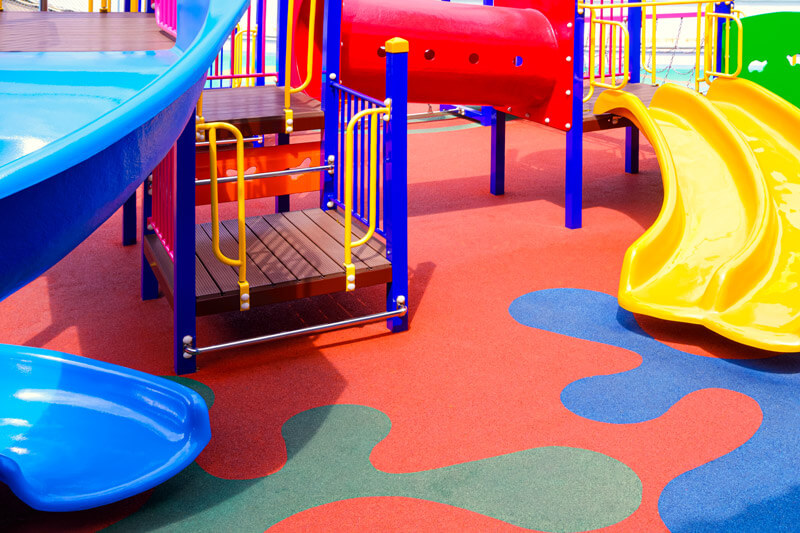
Parents often toss this line out when they’re tired and want to head home.
But unless the swings are literally roped off, your child will see right through it. The real problem isn’t the lie; it’s the missed chance to teach about boundaries.
What to say instead: Be honest. “I’m too tired to stay longer, so we need to leave.” Kids may protest, but they’ll learn that your needs matter too and that compromise is part of family life.
4. “If you don’t behave, the police will come.”

This might get a child to behave in the moment, but it also makes authority figures into monsters lurking around the corner.
That kind of fear can stick around and cause long-term anxiety.
It doesn’t even have to be the police. It can be some other specific ‘bogeyman’ that your child is terrified of.
What to say instead: Focus on real consequences you can control. “If you don’t calm down, we’ll need to leave the restaurant.” This connects their actions directly to an outcome, instead of relying on fear.
5. “We don’t have anymore cookies.”

You know there’s a pack sitting in the cupboard, but you don’t want to argue about sugar intake.
The problem is, kids notice when words and reality don’t match. It undermines the idea that they can trust you.
What to say instead: “You’ve had enough cookies for today.” It’s a simple boundary that teaches limits without making you look dishonest.
6. “That’s just how babies are made.”

This vague half-truth often leaves kids more confused than informed.
They’re naturally curious, and if they don’t get age-appropriate answers from you, they’ll find them somewhere else – and that somewhere else may not be reliable.
What to say instead: Offer the truth in layers. For young kids: “Babies grow in a special place in a mother’s body called the uterus.” As they grow older, you can add more detail. It’s less awkward than it sounds, and it builds trust.
7. “It’ll be fine.”

When your child is scared about a shot or nervous about school, it’s tempting to wave it off with reassurance.
But sometimes it won’t be fine. It might hurt, it might be scary, and pretending otherwise can make kids feel blindsided.
What to say instead: Validate their fear and give them tools to cope. “It might hurt a little, but you can handle it.” This makes you honest and supportive at the same time.
8. “I’ll be right back.”

Parents often use this to soften goodbyes. But when “right back” turns into hours, kids feel tricked, which can feed separation anxiety and mistrust.
What to say instead: Be specific. “I’ll be back after your nap” or “I’ll pick you up at three.” Children feel safer when they can predict your return, even if it’s not immediate.
9. “Money doesn’t grow on trees.”
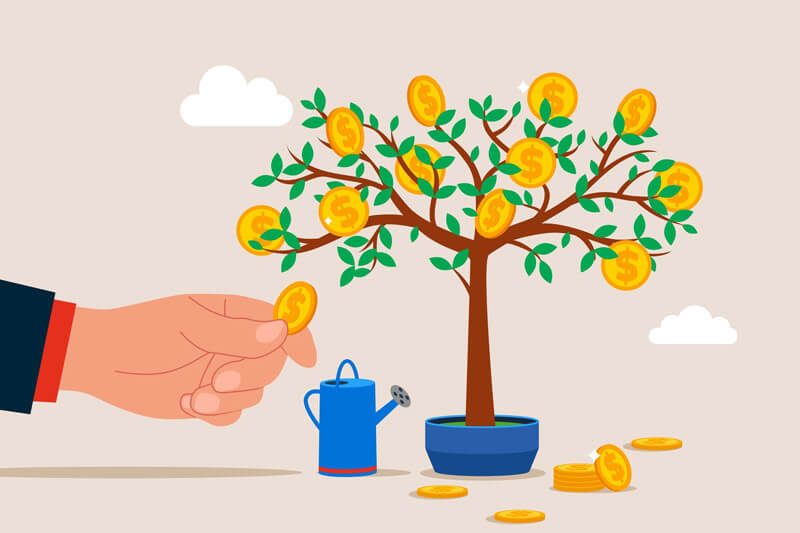
This tired cliché doesn’t really explain anything. It just shuts down the conversation and leaves kids none the wiser about how money actually works.
What to say instead: Keep it simple but real. “We have to make choices about how we spend our money. We can’t buy everything we want, but we can save for special things.” This sets the foundation for financial literacy.
10. “You can be anything you want when you grow up.”

This one is tricky, because it feels so hopeful. But it may also set kids up for disappointment.
Not every child grows up to be an astronaut or a pop star, no matter how badly they may want it.
What to say instead: Encourage their passions with realism. “You can explore lots of paths and find something that fits your strengths and interests. I’ll support you along the way.” Dreams are important, but so is the idea of finding the right fit.
Why Honesty Matters
The point isn’t to deliver brutal truths that overwhelm your kids. It’s about finding the middle ground between sugarcoating and honesty.
Children don’t need all the complexities of adulthood, but they do need consistency.
The surprising truth is that kids can handle honesty much better than we think.
By being truthful in ways that match their age, you’re teaching them that disappointment is survivable, boundaries are real, and trust is sacred.
Frequently Asked Questions About Lying to Kids
Why do parents lie to their kids?
Parenting often involves constant negotiation and improvisation, and it can feel easier to take shortcuts — like small lies — than to manage the friction of the moment. Researchers have a term for this common practice: “parenting by lying”. Most parents do it because it seems harmless in the moment, even though these small lies can add up over time.
Is it okay to tell kids “little white lies”?
The article suggests caution: while these lies can feel harmless and common in the moment, they may backfire over time by shaping how children see the world and affecting how much they trust their parents.
What happens if parents lie to their children too often?
Repeated small lies can affect how children see the world and how much they trust their parents. The article highlights the importance of being mindful about the shortcuts parents use when communicating with their children.
Does being honest with kids mean telling them everything?
No. Being honest with children does not mean delivering every complex or difficult truth. The goal is to find a middle ground between sugarcoating and honesty. Children do not need all the complexities of adulthood, but they do need consistency delivered in age-appropriate ways.
Disclaimer: The information provided in this article is for informational purposes only and should not be considered as medical advice from Motherhood. For any health-related concerns, it is advisable to consult with a qualified healthcare professional or medical practitioner.
For more insightful stories and parenting advice, stay tuned to Motherhood Story!