For many parents, choosing a growing-up milk feels like a simple next step.
Your child turns one, their appetite changes, and suddenly there are shelves of options promising growth, strength, and nourishment.
It’s easy to focus on what’s most visible on the tin, such as age range, flavour, or brand familiarity, and assume they’re all more or less the same.
But when you look a little closer, there are a few important details that often get overlooked, and they can make a real difference in how a child is supported during their early years.
The First 1,000 Days Matter More Than We Think

One of the most critical yet commonly underestimated periods in a child’s life is their first 1,000 days, from conception to around two years old.
This window plays a significant role in shaping long-term health, influencing how a child’s brain, immune system, and metabolism develop.
Research has shown that nutrition during pregnancy, breastfeeding, and early childhood can affect a child well beyond their toddler years.
What children consume early on helps form habits, preferences, and even metabolic patterns that may follow them into adulthood.
Understanding Sugar on the Label
Another detail parents often miss is in the ingredient list.
Malaysia faces growing concerns around childhood overweight and obesity.
Based on a UNICEF survey in 2019, 12.7% of Malaysian children aged five to 19 were classified as obese, making it the second-highest rate in Southeast Asia after Brunei.
More concerning still, 7.1% of overweight children in Malaysia are under the age of five, highlighting how weight-related health risks are emerging earlier than many parents expect.
One contributing factor frequently highlighted by experts is early exposure to added sugars.
Added sugars can appear under many names, including maltodextrin, corn syrup solids, glucose syrup, sucrose, and fructose.
These sugars vary in sweetness and glycaemic index, which can influence blood sugar levels and shape a child’s preference for sweet foods from a very young age.
Learning how to read labels and identify added sugars is a small but meaningful step parents can take when choosing nutrition for their children.
Lactose: The Natural Sugar in Milk
However, not all sugars are the same.
Lactose, the natural carbohydrate found in milk and breastmilk, plays a different role in a child’s development.
It is lower in sweetness and glycaemic index compared to many added sugars and supports both brain development and gut health.
For parents navigating junior milk options, understanding the difference between naturally occurring lactose and added sugars can help guide more informed choices.
Choosing Pure Nutrition Without Added Sugars
When nutrition is kept simple and closer to its natural form, it supports healthier habits in the long run.
This is where some parents begin to look more carefully at how junior milk is made, where its ingredients come from, and what is intentionally left out.
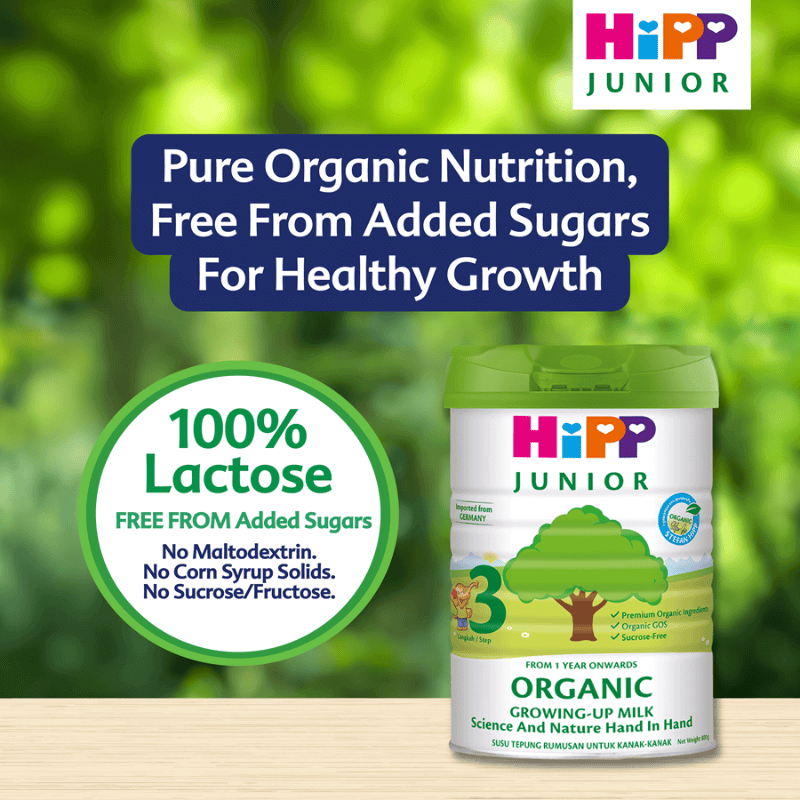
HiPP Junior Organic Growing-Up Milk is one option designed with this in mind.
Made using 100% organic milk lactose and free from added sugars, it reflects HiPP’s long-standing philosophy of “the best from nature, the best for nature.”
With over 120 years of experience in paediatric nutrition and organic farming, HiPP places strong emphasis on ingredient quality, sustainability, and strict quality controls from farm to finished product.
Carefully crafted in Germany and certified organic under EU standards, HiPP Junior is formulated for children above one year old, supporting their nutritional needs during a stage of rapid growth and development.
Supporting Healthy Growth, One Choice at a Time

As parents, what matters most is being informed, asking the right questions, and choosing options that align with your values and your child’s needs.
By paying attention to ingredients, understanding sugars, and recognising the importance of early nutrition, parents can make choices that support healthy growth, not just for today, but for the years ahead.
For more information, visit https://www.hipp.my/.
Disclaimer: The information provided in this article is for informational purposes only and should not be considered as medical advice from Motherhood. For any health-related concerns, it is advisable to consult with a qualified healthcare professional or medical practitioner.
For more insightful stories and fun recipes, stay tuned to Motherhood Story!