From one parent to another, we see coughs and sniffles all the time, especially in babies and young children.
Most of the time, they pass with rest and care.
However, there is one virus parents need to be aware of because of how common it is, how easily it spreads, and how serious it can become in infants.
That virus is RSV, or respiratory syncytial virus.
About two in three babies will catch RSV before their first birthday, and it is a leading cause of hospitalisation in babies under one year old.
What is especially important for parents to know is that more than 80% of RSV hospitalisations happen in healthy, full-term babies.
RSV is present all year round and spreads very easily through close contact at home, such as from older siblings or adults who may not even realise they are carrying the virus.
Because there is no specific treatment for RSV, early awareness and prevention play a crucial role in protecting young babies.

To help parents understand RSV better, we spoke with Assoc. Prof. Dr Rashdan Zaki Bin Mohamed, Senior Consultant Paediatrician and Paediatric Endocrinologist at KPJ Damansara Specialist Hospital 2, who explains why RSV is often misunderstood, what makes it different from other respiratory infections, and when parents should seek medical advice.
Q1: Why is RSV so often mistaken for other respiratory infections?
Dr Rashdan: RSV is commonly confused with other respiratory infections because it often begins with very mild, cold-like symptoms such as a runny nose, cough, congestion, or a low-grade fever.
These are common symptoms of many respiratory illnesses, which is why many parents may not find them alarming at first.
In fact, around two out of three babies will be infected with RSV before their first birthday, making it an extremely common infection.
What sets RSV apart, however, is how quickly it can progress in young infants.
Similar to other respiratory illnesses like influenza, RSV circulates all year round and spreads easily through close contact at home, often from older siblings or carers who may not show symptoms.
Because the early signs can look very similar to a typical cold, RSV can be difficult to recognise in its early stages.
This is why early awareness and prevention play such an important role in protecting infants.
Q2: What makes RSV different from a typical cold, especially in babies?
Dr Rashdan: While RSV may start off looking like a common cold, the key difference lies in how it affects infants, particularly those under one year old.
RSV more commonly causes symptoms such as the following:
-
Wheezing
-
Fast or laboured breathing
-
Feeding difficulties
These signs may indicate that a baby is struggling to breathe properly.
In some cases, RSV can quickly progress into bronchiolitis or even pneumonia, making it the leading cause of these serious lung infections in young infants.
Unlike adults, babies cannot clearly express discomfort, and symptoms can worsen rapidly.
RSV, influenza, COVID-19, and other respiratory viruses can also look very similar at the beginning. Because of this, only diagnostic testing can accurately determine which virus is responsible.
This is why parents should seek medical attention at the nearest hospital or clinic promptly if their infant shows worrying symptoms.
Q3: Why is breathing a key concern when it comes to RSV?
Dr Rashdan: Breathing is a major concern with RSV because the virus directly infects the lower airways and lungs, causing inflammation and mucus production.
This can block the small air passages, especially in young babies whose airways are already very narrow and in some places as small as the tip of a pencil.
As a result, babies may experience breathing that is fast, shallow or laboured.
This may also interfere with feeding, which is often one of the earliest warning signs parents notice.
In more serious cases, RSV can progress into bronchiolitis or pneumonia, and some infants may require oxygen support or even mechanical ventilation in hospital.
What makes RSV particularly worrying is that it is difficult to predict which baby will become severely ill.
In Malaysia, more than 80% of RSV hospitalisations occur in healthy, full-term babies.
This is why RSV is a concern for all babies and why early recognition and prevention are so important.
Q4: When should parents seek medical advice if they suspect RSV?

Dr Rashdan: Parents should consult a doctor as soon as they notice any changes in their baby’s breathing or feeding, especially in infants under one year old.
While many RSV infections start off mild, the condition can worsen quickly in young babies.
Warning signs include:
-
Fast or laboured breathing
-
Wheezing
-
Flaring of the nostrils
-
Poor feeding
-
Unusual sleepiness
-
Fewer wet diapers
Because RSV is the leading cause of hospitalisation in infants and most severe cases occur in previously healthy babies, it is important not to wait until symptoms become severe.
When in doubt, it is always safer to have a doctor assess the baby early.
Currently, there is no specific treatment for RSV.
Medical care focuses on supportive treatment to manage symptoms such as fever, congestion, and dehydration to prevent the illness from escalating.
Q5: Is it an overreaction to seek medical advice early?
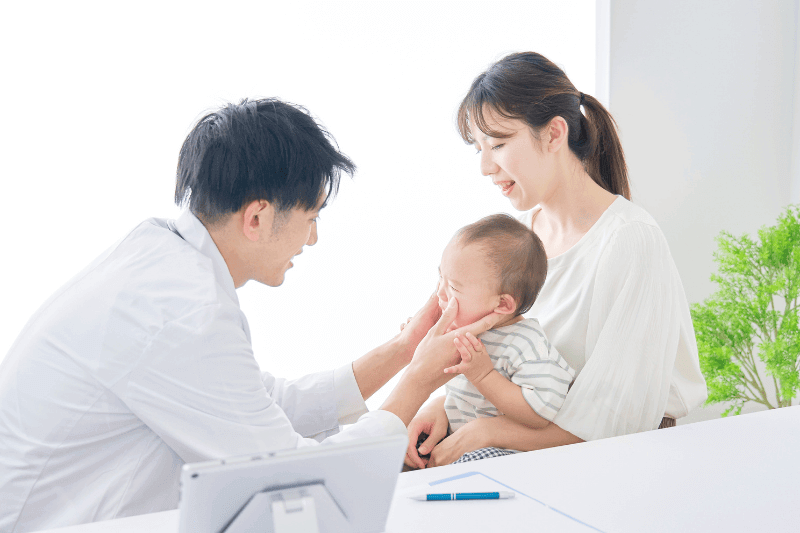
Dr Rashdan: Seeking medical advice early is not an overreaction at all.
Paying attention to even mild symptoms shows just how much parents care, and it can make a big difference.
Babies and young children can become unwell quickly. Sometimes what starts as a mild cough or runny nose can develop into something more serious if left unchecked.
That is why seeking professional advice early is always the safer option.
It is also important to remember that prevention is always better than the cure.
There are several ways to help protect babies, including maternal vaccination during pregnancy and childhood immunisation with monoclonal antibodies, which can help protect infants from birth.
These preventive measures can reduce the risk of severe illness and give parents greater peace of mind.
Planning Ahead for RSV Protection
RSV is extremely common; it spreads easily at home, and it can affect any baby, even those who are healthy and born full-term.
Good hygiene habits can help reduce the risk of exposure, but far more effective protection is available through RSV immunisation.
Taking proactive steps can help reduce the risk of severe illness and give parents greater peace of mind during their baby’s most vulnerable months.
Protect your newborn against RSV. Speak to your paediatrician about immunisation with monoclonal antibodies.
Visit TogetherAgainstRSV.my to learn more.
MAT-MY-2600125-1.0-03/2026
Disclaimer: The information provided in this article is for informational purposes only and should not be considered as medical advice from Motherhood. For any health-related concerns, it is advisable to consult with a qualified healthcare professional or medical practitioner.
For more insightful stories and fun recipes, stay tuned to Motherhood Story!