Having a baby fussy during bottle feeding can leave new mums feeling worried and unsure of what to do.
Your baby may cry, pull away, cough or suddenly refuse the bottle. When this happens, it is easy to assume that something is wrong with your milk supply or that you are making a mistake.
However, feeding challenges are common during the early months. Sometimes, the issue may be linked to your baby’s feeding rhythm, the teat flow or the overall bottle-feeding setup.
In this episode of AskMeDoctor! by Motherhood.com.my, we spoke to Pn Noriza Ibrahim, a Certified Lactation Counsellor, about why babies may become unsettled during feeds and the small adjustments that could help.
Q1: Does a fussy baby always mean that mum has a low milk supply?
Pn Noriza Ibrahim: No, it does not always mean that the mother has a low milk supply.
It is understandable for mums to worry about their supply when their baby cries, pulls away or does not seem comfortable during a feed.
However, feeding challenges are not always about how much milk is available. Sometimes, the difficulty may be related to how the baby is feeding.
During the early months, babies are still learning how to coordinate feeding. Fussiness may simply mean that the baby is adjusting and trying to find a feeding pattern that feels comfortable.
Rather than immediately blaming themselves, mums can observe their baby’s feeding behaviour and seek support from a lactation professional or healthcare provider when they are concerned.
Q2: Why do some babies latch, pull away and cry during feeds?

Pn Noriza Ibrahim: This may be related to the baby’s natural feeding rhythm.
Babies usually feed through a pattern of sucking, swallowing and breathing.
When these actions work together smoothly, the feeding session may feel calmer. However, when the rhythm is interrupted, the baby may struggle to coordinate the feed.
This can cause the baby to pull away, cry, appear unsettled or take frequent pauses.
It does not necessarily mean that the baby does not want to feed. The baby may simply be having difficulty managing the rhythm or keeping up with the milk flow.
Q3: How can parents tell whether the teat flow is suitable for their baby?

Pn Noriza Ibrahim: Parents can start by observing how their baby behaves during bottle feeding.
When the milk flows too quickly, the baby may struggle to keep up. Parents may notice coughing, gulping, pulling away or signs of discomfort.
In this situation, a slower-flow teat may be more suitable.
On the other hand, when the flow is too slow, the baby may need to work harder to get the milk. They may become tired, frustrated or refuse the bottle because feeding requires too much effort.
This may be a sign that the baby is ready for a faster flow.
There is no single teat flow that will suit every baby. Age recommendations can be used as a guide, but parents should also pay attention to their baby’s individual feeding behaviour and readiness.
Q4: Does the design of the bottle and teat affect bottle acceptance?

Pn Noriza Ibrahim: Yes, the design can affect the overall feeding experience.
However, parents should look beyond the shape or softness of the teat alone. It is also important to consider whether the bottle and teat work together to support the baby’s natural drinking rhythm.
A design that allows the baby to actively drink and pause when they need to swallow or breathe may help feeding feel more coordinated.
This can be especially useful for babies who are still learning to bottle-feed or who are moving between breast and bottle.
Parents can also look for a bottle with a built-in anti-colic valve. This type of design helps direct air away from the baby’s tummy, which may help reduce discomfort during feeding.
Bottle rejection does not necessarily mean that the baby is being difficult or that the mother has done something wrong.
Sometimes, the flow rate, teat design or bottle setup may simply need to be adjusted.
Q5: What should parents know about PP and PPSU feeding bottles?

Pn Noriza Ibrahim: Parents may come across feeding bottles made from several different materials, including PP and PPSU.
PP bottles are commonly used because they are lightweight and practical for everyday feeding.
PPSU bottles are also lightweight, but they are generally more durable and resistant to heat. This can be useful for parents who sterilise their bottles regularly or want something that can withstand frequent use.
Whichever material parents choose, the bottle should be made from safe, food-grade material and be suitable for repeated cleaning and sterilisation.
It should also feel comfortable and practical for parents to use as part of their daily feeding routine.
Q6: What small changes can help make feeding feel easier?

Pn Noriza Ibrahim: Feeding challenges can feel stressful, but parents may not always need to make a major change.
Sometimes, small adjustments can make the feeding experience feel easier.
This may include reviewing the baby’s position, pacing the feed, allowing the baby to pause or checking whether the teat flow is suitable.
Parents should also take time to observe their baby’s cues instead of feeling pressured to follow a one-size-fits-all approach.
When mothers feel calmer and more supported, babies may also feel more settled during feeding.
Most importantly, parents should remember that feeding is something both mother and baby are learning together. It can take time to understand what works best.
Supporting Your Baby’s Natural Feeding Rhythm
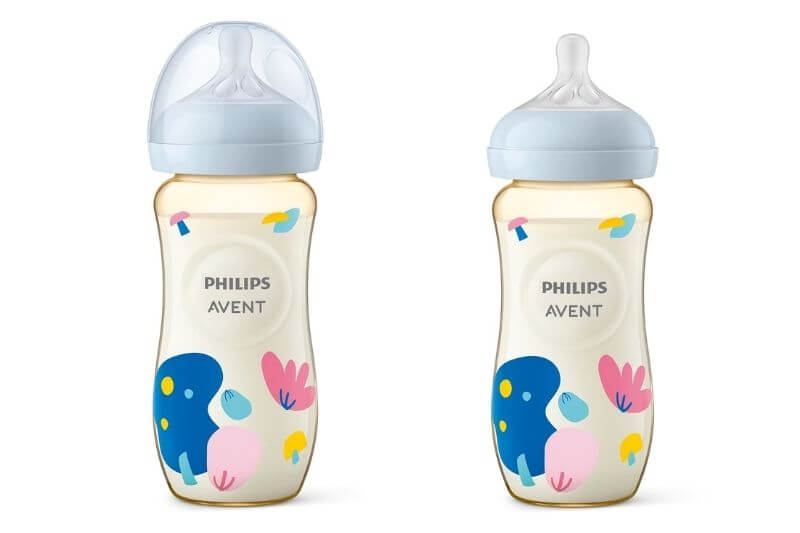
The Philips Avent Natural Response PPSU Bottle & Teat is designed to support a baby’s natural feeding rhythm.
The Natural Response teat releases milk when the baby actively drinks.
When the baby pauses to swallow or breathe, the milk flow pauses too, helping the baby drink at their own pace.
Additionally, different flow options are also available, allowing parents to adjust the teat based on what their baby can comfortably manage.
The bottle comes with an anti-colic valve designed to direct air away from the baby’s tummy during feeding.
Made from PPSU material, the bottle is lightweight, durable and resistant to heat, making it suitable for frequent cleaning and sterilisation.
Philips Avent teats have also achieved a 93% acceptance rate in international testing, providing added reassurance for parents introducing a bottle or navigating mixed feeding.
Ultimately, every baby has their own feeding pace and a baby fussy during bottle feeding may simply need more time, a different teat flow or a small adjustment to the feeding routine.
Taking time to observe their cues, making small adjustments and choosing feeding support that works with their natural rhythm can help the experience feel less overwhelming for both baby and mum.
So, mummies, what are you waiting for?
Now is the perfect time to explore the Philips Avent range of feeding solutions and find the support that best suits you and your little one.
Disclaimer: The information provided in this article is for informational purposes only and should not be considered as medical advice from Motherhood. For any health-related concerns, it is advisable to consult with a qualified healthcare professional or medical practitioner.
For more insightful stories and fun recipes, stay tuned to Motherhood Story!