Bukit Tinggi Medical Centre (BTMC) is the first private hospital in Malaysia to perform SuperSaturated Oxygen (SSO₂) Therapy, an advanced post-angioplasty treatment aimed at reducing heart muscle damage following a “widowmaker” heart attack.
This reflects BTMC’s role in advancing heart care that supports recovery and long-term quality of life for patients.
Heart disease remains the leading cause of death in Malaysia, with a significant number of heart attack cases occurring in people below the age of 60.
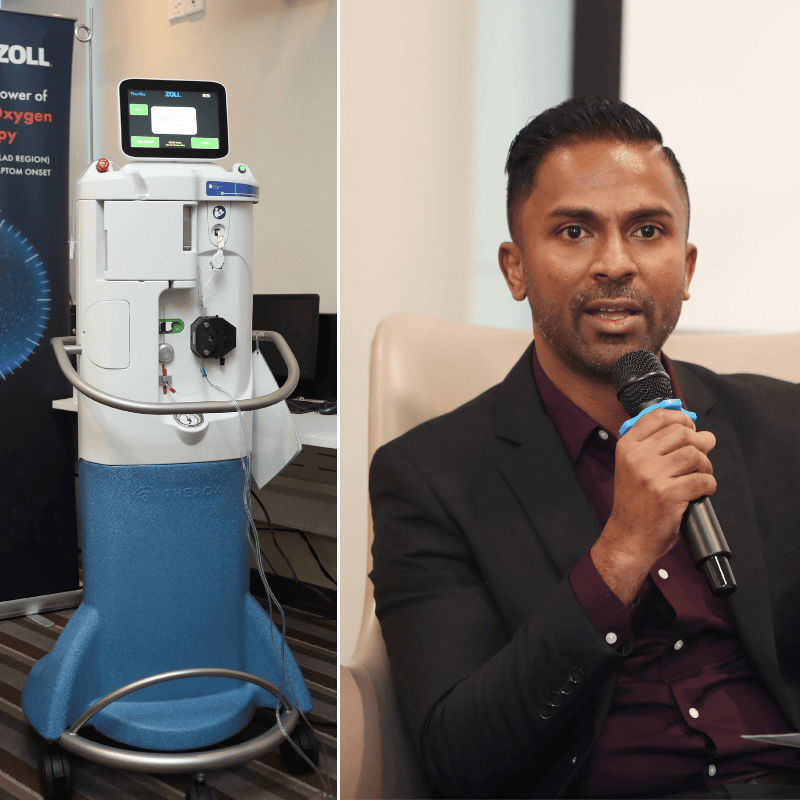
A heart attack typically occurs when the flow of blood and oxygen to the heart is blocked or reduced. Immediate intervention usually involves angioplasty and stenting, which has been the standard of care for more than 25 years.
However, for many patients, even after blood flow is quickly restored with angioplasty and stenting, irreversible damage to the heart muscle (called infarction) occurs, leaving them at high risk of developing heart failure.
Cardiologists are now paying increasing attention to how the heart muscle recovers after the artery has been opened.
Understanding Heart Muscle Damage Beyond Blocked Arteries
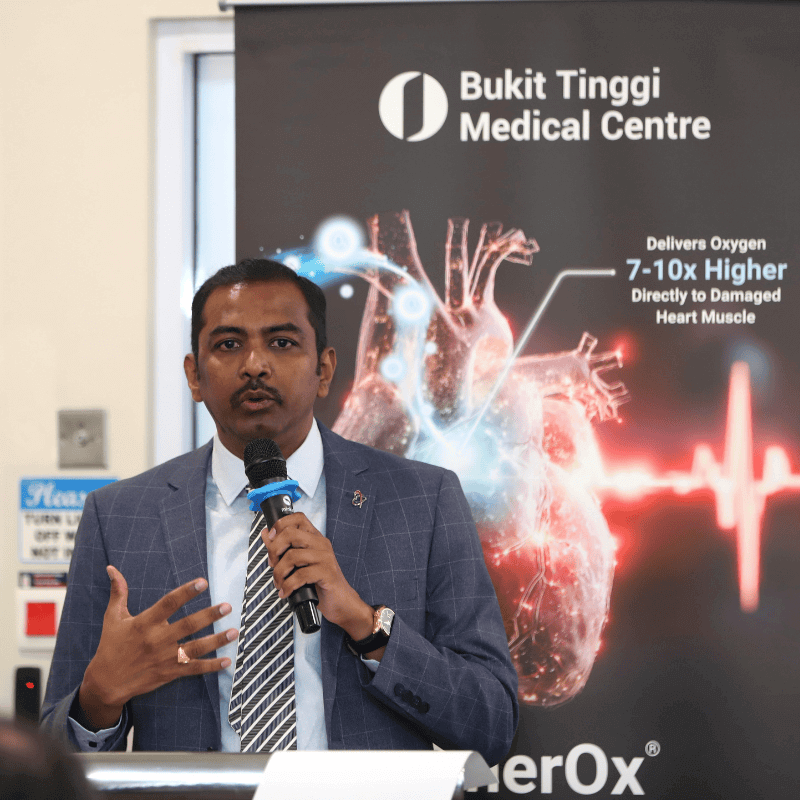
Dr Shathiskumar Govindaraju, Consultant Cardiologist at BTMC
These most serious heart attacks often cause such severe damage to the heart that, if the patient survives, they remain at high risk for developing heart failure in the future.
– Dr Shathiskumar Govindaraju, Consultant Cardiologist at BTMC
“During a heart attack, damage does not occur only in the large, blocked artery,” he added.
“Much of the injury happens in the smaller blood vessels within the heart muscle itself. Even after a successful angioplasty, these tiny vessels may not function optimally, which can lead to ongoing heart muscle damage.
He added that injury at this microvascular level can affect how well the heart recovers, influencing long-term heart function and, in some cases, increasing the risk of heart failure later in life.
The goal is not just survival, but preserving as much healthy heart muscle as possible. This is why newer approaches that support heart tissue recovery after angioplasty are becoming an important part of cardiac care.
In clinical practice, we see the long-term impact of heart muscle damage on patients’ daily lives which is why we need to be proactive and do our best to maintain patients’ quality of life, by effectively reducing the chances of heart failure.
– Dr Shathiskumar Govindaraju, Consultant Cardiologist at BTMC
Why Timing Still Matters in Heart Attack Care
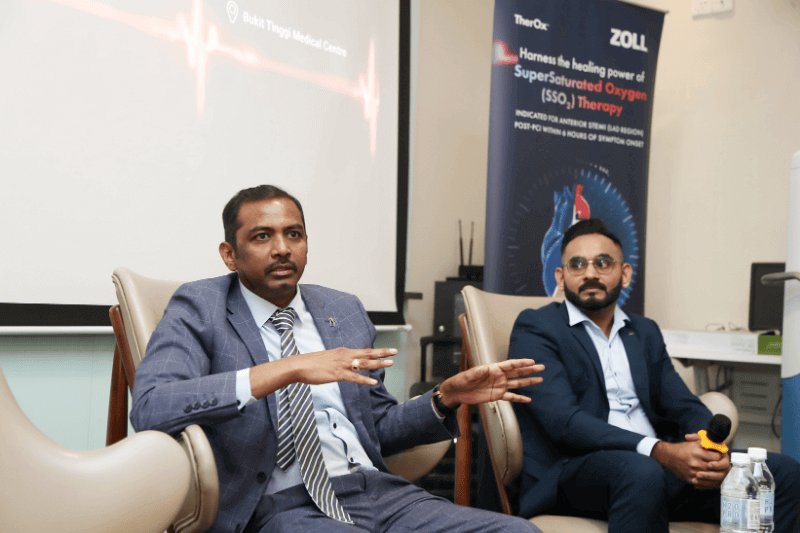
Dr Shathiskumar explained that heart muscle damage sustained during a heart attack often determines a patient’s recovery trajectory long after they leave hospital.
“The extent of heart muscle injury influences whether a patient returns to normal daily activities or goes on to develop chronic heart conditions,” he said.
“By focusing on protecting heart tissue during the critical early phase of treatment, we are looking at ways to improve not just short-term recovery but long-term heart health.”
He added that heart failure can have long-term implications for patients and their families, affecting daily life and often requiring ongoing medical care.
Early medical attention remains critical. The sooner a patient reaches hospital after symptoms begin, the more opportunity we have to protect the heart muscle. Early treatment can make a meaningful difference to recovery and long-term quality of life.
– Dr Shathiskumar Govindaraju, Consultant Cardiologist at BTMC
Expanding Access to Advanced Cardiac Care in Malaysia
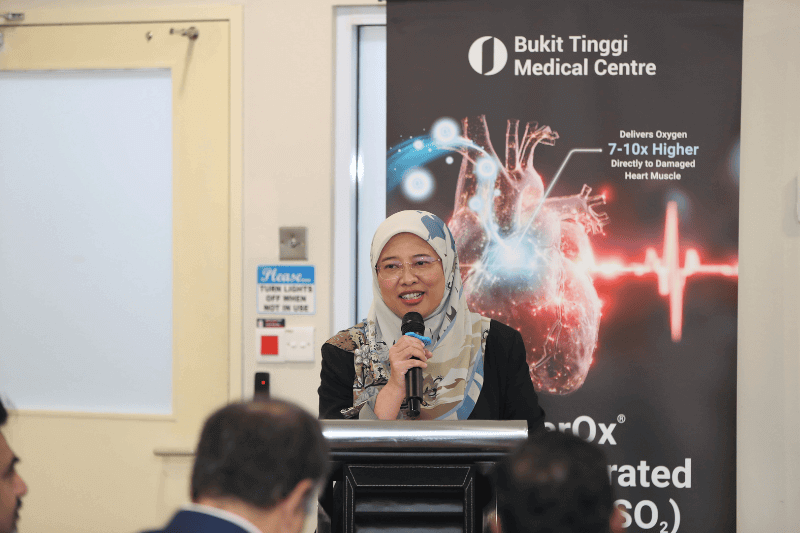
BTMC’s Chief Executive Officer, Puan Norliza Razali, said the introduction of this treatment reflects the hospital’s commitment to adopting proven medical advancements that benefit patients.
“As a private hospital, we are committed to ensuring Malaysian patients have access to advanced cardiac care that is supported by clinical evidence,” she said.
“This reflects our broader mission to continuously enhance the quality of care and outcomes for patients.”
The announcement was shared during a media session titled “Advancing Heart Attack Care Beyond Angioplasty”.
For more information, visit www.bukittinggimedicalcentre.com
Disclaimer: The information provided in this article is for informational purposes only and should not be considered as medical advice from Motherhood. For any health-related concerns, it is advisable to consult with a qualified healthcare professional or medical practitioner.
For more insightful stories and fun recipes, stay tuned to Motherhood Story!