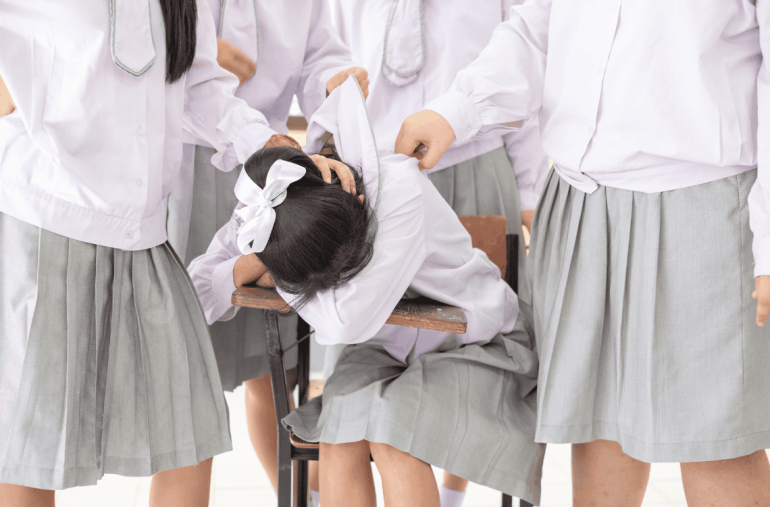
With bullying cases being so prevalent these days, it’s easy to think it’s something that happens to “other people’s children” – until it doesn’t.
Most of us send our kids to school assuming they’ll be okay. That if something crosses the line, they’ll speak up, or someone will notice.
We tell ourselves they’re just kids; it won’t go too far.
But children today are not growing up in the same environment we did.
Things move faster. Social dynamics are more complex, and the truth is, bullying doesn’t always look serious at the start.
It can begin with small comments that would even throw us off as adults, being left out for reasons they don’t fully understand, or jokes that don’t sit right but are brushed off as “just playing”.
And because it starts small, it’s easy to miss. Scary, right?
The reality is, while things may have turned out fine for us back then, we can’t assume the same for our children now.
What Parents Can Start Doing Now

- Don’t assume your child will tell you everything: Especially as kids get older, things get more complicated. They may not know what’s “wrong” and what’s just part of growing up. Or they may think they should handle it themselves. Silence doesn’t mean everything is fine.
- Be involved in their school life: You don’t need to hover, but you should know who your child spends time with, who they avoid, and which teachers they’re comfortable with. Being connected to the school environment, even through the PIBG or casual check-ins, helps you spot patterns earlier.
- Create a home where they can talk without fear: If every mistake turns into anger or a lecture, they learn to keep things to themselves. The goal is to make it easy for them to come to you, even when it’s uncomfortable. Sometimes it’s just listening first before reacting.
- Teach them how to express what’s happening: Many children don’t speak up because they don’t have the words. Help them describe situations, feelings, and discomfort. Instead of “ignore it”, give them language they can actually use.
- Help them understand boundaries: They should know it’s okay to say “I don’t like that”, to walk away, and to recognise when something feels off. Being cool can wait.
- Use safety tools: Some parents consider smartwatches or GPS trackers for peace of mind. These can help, but they’re not a solution on their own. Many schools have rules against devices, so always check first. More importantly, your child should understand it’s for safety, not control.
- Enrol them into confidence-building activities: Things like martial arts (e.g., jiu-jitsu) can help children build confidence, discipline, and awareness. It’s not about fighting back but defending themselves.
- Step in earlier than you think you need to: If something feels off, don’t wait for it to become obvious. Speak to teachers or school counsellors and keep track of patterns. Waiting for clear proof often means it’s already been happening for a while.
Signs Your Child Might Be Getting Bullied
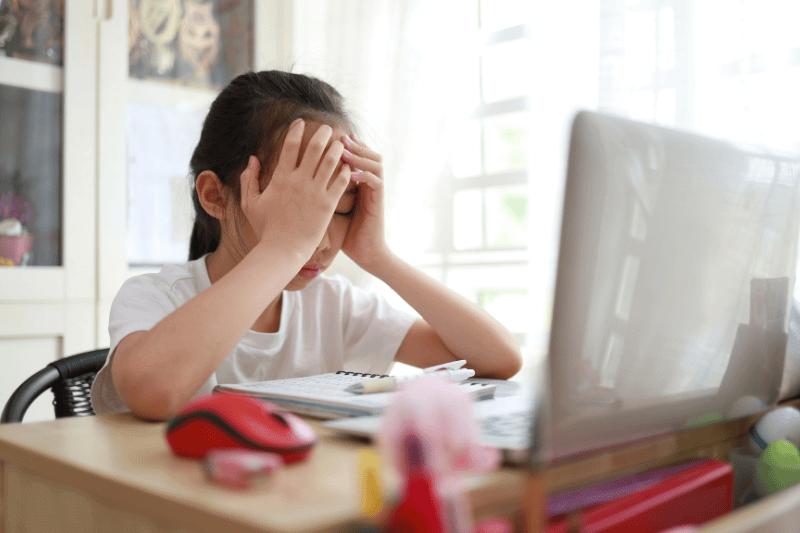
Sometimes, the only clues you get are small ones.
Look out for patterns like:
- Reluctance to go to school
- Going quiet about their day
- Changes in mood after school or screen time
- Avoiding certain names or conversations
- Sudden drop in appetite or sleep changes
- Losing belongings more often than usual
- Rapid change in interest / hobbies with no explanation
On their own, these may not mean much. But when they start happening together, it’s worth paying attention.
What Parents Need to Remember
All in all, bullying doesn’t usually start big, and many of us may be quick to brush it off as “kids being kids” – or even see it as a way to toughen them up.
But that approach can backfire.
What starts off as something small can build quietly over time.
And when it’s dismissed early, children may learn to minimise it too.
They may stop bringing it up; they try to handle it on their own, and before you know it, something that could have been addressed early becomes something much harder to undo.
From one parent to another, it helps to remind ourselves that while we hope for the best, we still need to be aware of what could go wrong.
In the world our children are growing up in today, being a little more vigilant, asking a few more questions, and staying slightly more involved than we think we need to be might just be what keeps them safe.
Let’s keep our children safe, parents.
Disclaimer: The information provided in this article is for informational purposes only and should not be considered as medical advice from Motherhood. For any health-related concerns, it is advisable to consult with a qualified healthcare professional or medical practitioner.
For more insightful stories and fun recipes, stay tuned to Motherhood Story!