



The December school holidays are almost here! After months of classes, homework and school routines, primary school children finally get a longer break to relax, explore their interests and spend more time with family.
But if you’re a parent, you probably know the challenge that comes with it: keeping the kids occupied without hearing “I’m bored!” every few hours.
The good news is that you don’t need to plan an expensive holiday or fill every day with activities. From simple science experiments and creative projects to outdoor adventures and family game nights, there are plenty of ways to make the school break enjoyable and meaningful.
If you’re looking for things to do with your school-going children this December, here are 10 fun school holiday activities to try at home and around Malaysia.
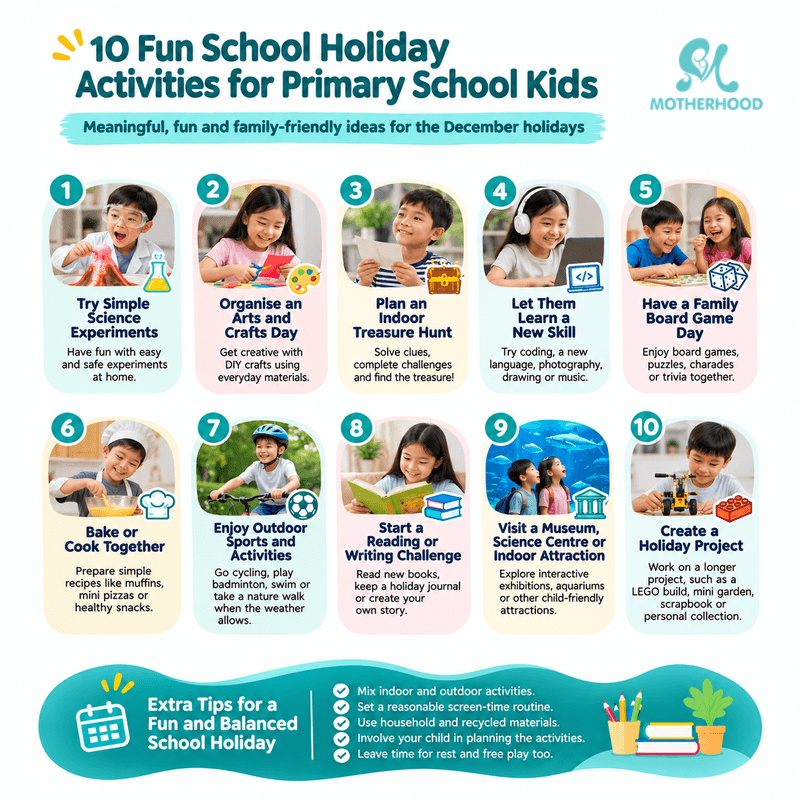
10 Fun School Holiday Activities for Primary School Children
Whether your child enjoys getting creative, solving puzzles, exploring nature or learning new skills, these activities can help make the school holidays more exciting.
1. Try Simple Science Experiments at Home
Turn your home into a mini science laboratory! Children at primary school age are naturally curious, making the holidays a great opportunity to explore how things work through simple experiments.

You can try activities such as:
- Baking soda volcano: Mix baking soda and vinegar to create a bubbly volcanic eruption.
- Walking water experiment: Use coloured water and paper towels to demonstrate how water moves between containers.
- Homemade water filter demonstration: Explore how different materials such as sand, gravel and cotton can filter visible particles from water. Make sure children understand that filtered water from this experiment is not safe to drink.
- Static electricity experiment: Rub a balloon against hair or fabric and see how it attracts small pieces of paper.
Let your child make predictions before each experiment and observe what happens. You can even ask them to record their findings in a little science journal.
Remember: Always supervise experiments, especially when using liquids, small objects or household materials.
2. Organise an Arts and Crafts Day
Give your child the freedom to get creative with an arts and crafts session at home.
You don’t need expensive supplies. Everyday materials such as coloured paper, cardboard boxes, old magazines, ice-cream sticks and recyclable containers can become interesting craft materials.
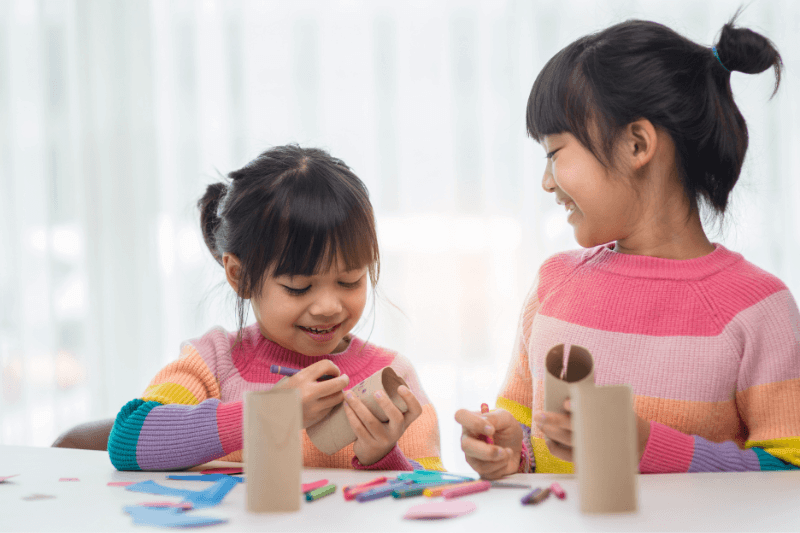
Here are some ideas:
- Make handmade bookmarks or greeting cards.
- Create a personalised pencil holder using recycled containers.
- Design a paper collage using old magazines.
- Make friendship bracelets or simple jewellery.
- Decorate a cardboard box and turn it into a mini storage organiser.
You can also give your child a theme, such as animals, outer space or their favourite characters, and let them create something based on it.
At the end of the day, display their artwork around the house. It gives children a sense of accomplishment and makes their creative efforts feel appreciated.
3. Plan an Indoor Treasure Hunt
Rainy weather doesn’t have to stop the fun. An indoor treasure hunt can turn an ordinary afternoon at home into an exciting adventure.
Hide small objects or treats around the house and prepare a series of clues for your children to solve.
For older primary school children, make the game more challenging by including:
- Riddles that require logical thinking.
- Simple maths questions that reveal the next hiding place.
- Word puzzles or scrambled letters.
- Picture clues and hidden messages.
- A final mystery challenge before finding the treasure.
You can also create a theme, such as a detective mystery, pirate adventure or secret agent mission.
If you have more than one child, let them work in teams or take turns creating treasure hunts for each other.
4. Let Them Learn a New Skill
School holidays are a good time for children to explore interests that may not always fit into their regular school routine.
Instead of signing them up for too many structured classes, let them choose one or two skills they’d genuinely like to try.
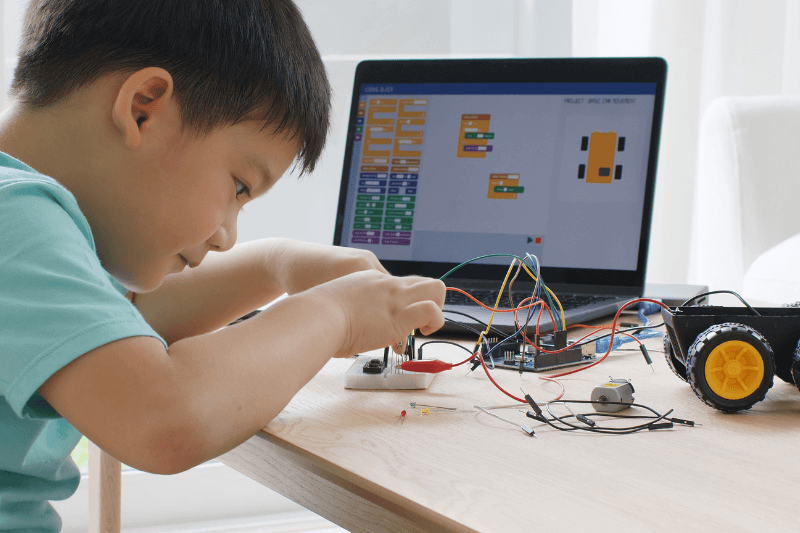
Some ideas include:
- Beginner coding: Explore simple coding games and activities.
- Photography: Teach them how to take creative photographs using a camera or a parent’s phone.
- Drawing and painting: Experiment with different art styles and techniques.
- Music: Learn a few basic chords on an instrument or practise a favourite song.
- A new language: Pick up simple greetings, everyday phrases and vocabulary.
The aim isn’t to make them experts in a few weeks. It’s to give them the opportunity to discover what they enjoy and build confidence through practice.
5. Have a Family Board Game or Game Challenge Day

When was the last time everyone sat down together for a proper game afternoon?
Bring out your board games, puzzles or card games and spend an afternoon enjoying some friendly competition.
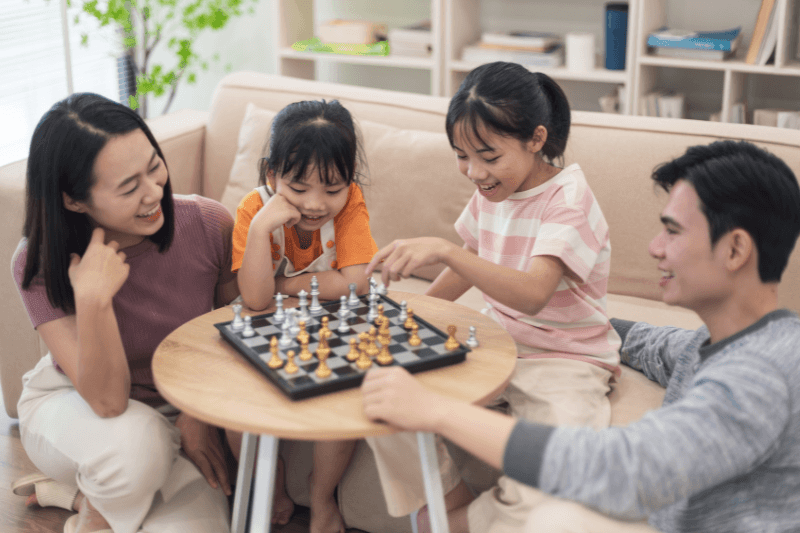
Depending on your children’s ages and interests, you can try:
- Strategy board games.
- Jigsaw puzzles.
- Charades.
- Guess-the-word games.
- Trivia quizzes.
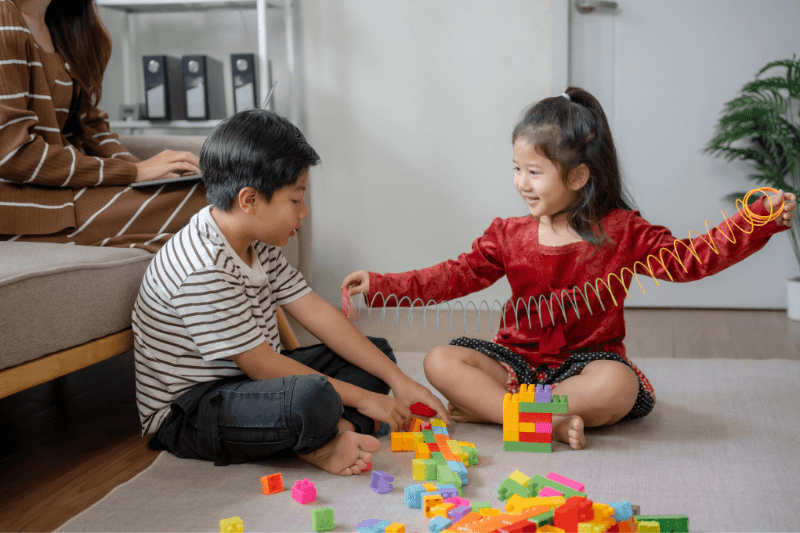
- Building challenges using LEGO or other construction toys.
You can even organise a mini family tournament, complete with points and a small prize for the winner.
These activities are not only entertaining. They also give children opportunities to practise problem-solving, communication, patience and teamwork.
6. Get Them Involved in the Kitchen
Cooking and baking can be a fun way for children to learn practical life skills while spending quality time with their parents.
Choose simple recipes that allow them to participate in age-appropriate tasks, such as measuring ingredients, mixing batter, decorating biscuits or assembling sandwiches.
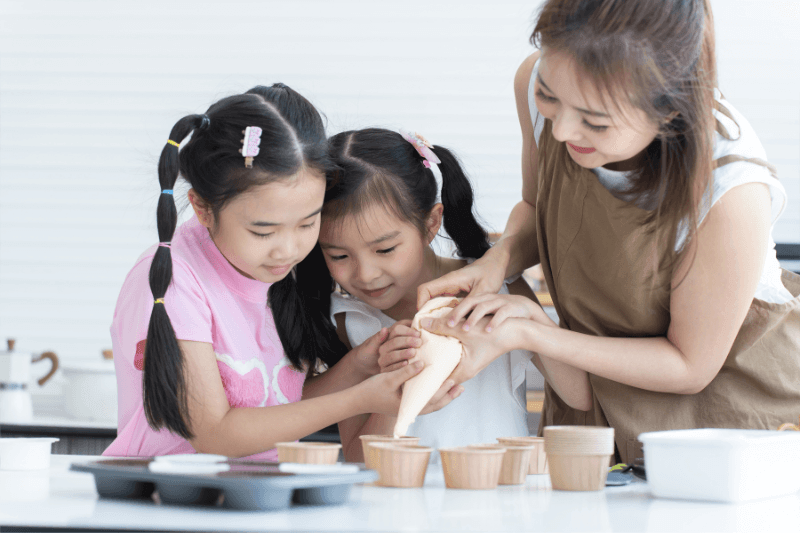
Some ideas include:
- Homemade mini pizzas.
- Banana muffins.
- No-bake chocolate biscuit treats.
- Fruit skewers.
- Simple sandwiches or wraps.
- Homemade pancakes.
You can also let your child plan a family snack menu and help prepare it.
Besides being enjoyable, cooking gives children opportunities to practise reading instructions, measuring quantities, following steps and keeping their workspace organised.
Safety tip: Adults should handle knives, hot appliances, boiling liquids and other potentially dangerous kitchen tasks. Always supervise children in the kitchen.
7. Enjoy Outdoor Sports and Activities
If the weather is suitable, encourage your children to spend some time outdoors instead of staying indoors throughout the holidays.
Physical activities help children stay active while giving them opportunities to develop coordination, confidence and social skills.
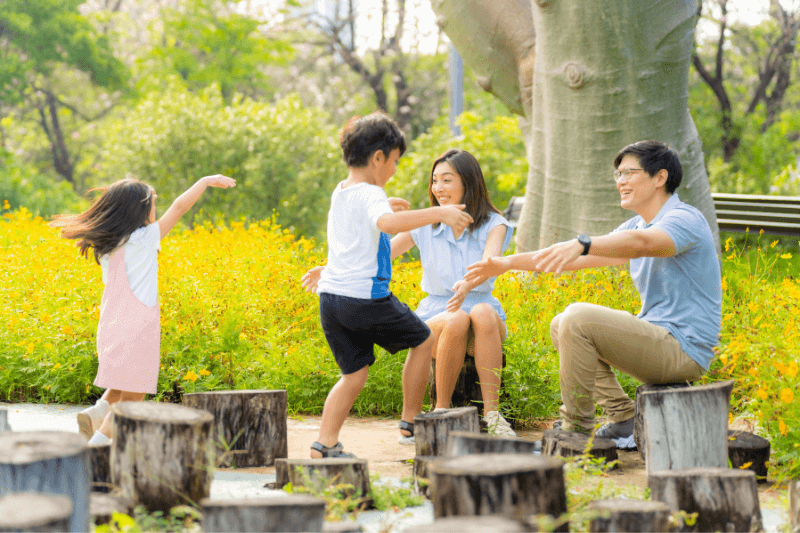
You could plan activities such as:
- Cycling at a suitable park or designated cycling area.
- Playing badminton with family members.
- Going swimming at a supervised swimming facility.
- Organising a friendly football match.
- Taking a nature walk.
- Having a family picnic at a suitable outdoor location.
If your child enjoys a particular sport, you can also use the holidays to practise basic skills together.
However, December is also part of Malaysia’s rainy season. Check the weather forecast before planning outdoor activities, avoid exposed areas during thunderstorms and never enter floodwater. You can check the latest updates through MetMalaysia.
8. Start a Holiday Reading or Creative Writing Challenge
Reading doesn’t have to feel like another school assignment. Give your child the freedom to choose books that match their interests, whether they’re into adventure stories, comics, mysteries, animals or science.

You can make reading more exciting with a simple holiday challenge.
For example:
- Read one book every week.
- Explore a new book genre.
- Create a list of interesting words from each book.
- Draw a favourite character or scene.
- Write an alternative ending to a story.
- Create a short comic strip inspired by a favourite book.
If your child enjoys writing, encourage them to keep a holiday journal.

They can record their daily activities, memorable moments, new discoveries or even funny things that happen at home.
The idea is to make reading and writing enjoyable rather than turning the school holidays into extra homework.
9. Visit a Museum, Science Centre or Indoor Attraction
If you’re looking for an outing that combines fun and learning, consider visiting a child-friendly attraction during the school holidays.
Malaysia has plenty of places where children can explore, discover and experience something new.
Depending on your location and your child’s interests, you could consider:
- Museums with interactive or family-friendly exhibitions.
- Science centres with hands-on activities.
- Aquariums where children can learn about marine life.
- Art galleries with suitable family programmes.
- Indoor educational attractions and discovery spaces.
Before visiting, check the attraction’s official website for opening hours, ticket prices, age suitability and any special school holiday programmes.
You may also want to visit on weekdays if you prefer to avoid larger weekend crowds.
10. Create a Holiday Project They Can Complete
Give your child a project to work on throughout the school holidays. Unlike activities that can be completed in an afternoon, a holiday project gives them something to look forward to over several days or weeks.
The project can be based on their interests and abilities.
Here are some ideas:
- Build something: Create a LEGO model, cardboard town or miniature structure.
- Grow something: Plant herbs or easy-to-grow vegetables and track their progress.
- Make a scrapbook: Collect photographs, drawings, tickets and memories from the holidays.
- Create a mini business: Let them design handmade bookmarks, greeting cards or crafts for a pretend shop.
- Start a collection: Collect and organise interesting leaves, stamps, rocks or other suitable items.
- Make a family photo book: Select photographs and write short captions about memorable family moments.
Encourage your child to plan their project, gather the materials and work towards completing it. You can also let them present their finished creation to the family.
It’s a simple way to encourage creativity, responsibility and a sense of achievement.
How to Keep Your Children Entertained During the School Holidays without Overspending
Keeping children occupied throughout a long school break doesn’t mean you need to spend money every day.
In fact, some of the most enjoyable activities can be done using things you already have at home.
Here are a few ways to keep the holidays manageable for your family:
- Set a weekly activity budget: Decide how much you want to spend on outings, craft materials and special treats.
- Use what you already have: Reuse cardboard boxes, paper, stationery, board games and other household materials.
- Mix free and paid activities: Balance home-based activities with occasional family outings.
- Let children help with planning: Ask them to suggest activities and choose a few that fit your family’s budget.
- Make use of community programmes: Check local libraries, community centres and public facilities for suitable activities or holiday programmes.
- Avoid over-scheduling: Children also need time to rest, play independently and enjoy a slower holiday routine.
A little planning can help you make the most of the school holidays without putting unnecessary pressure on your family budget.
A Simple One-Week School Holiday Activity Planner
Not sure how to fit everything into the holidays? Here’s a simple weekly plan you can adapt to your family’s schedule.
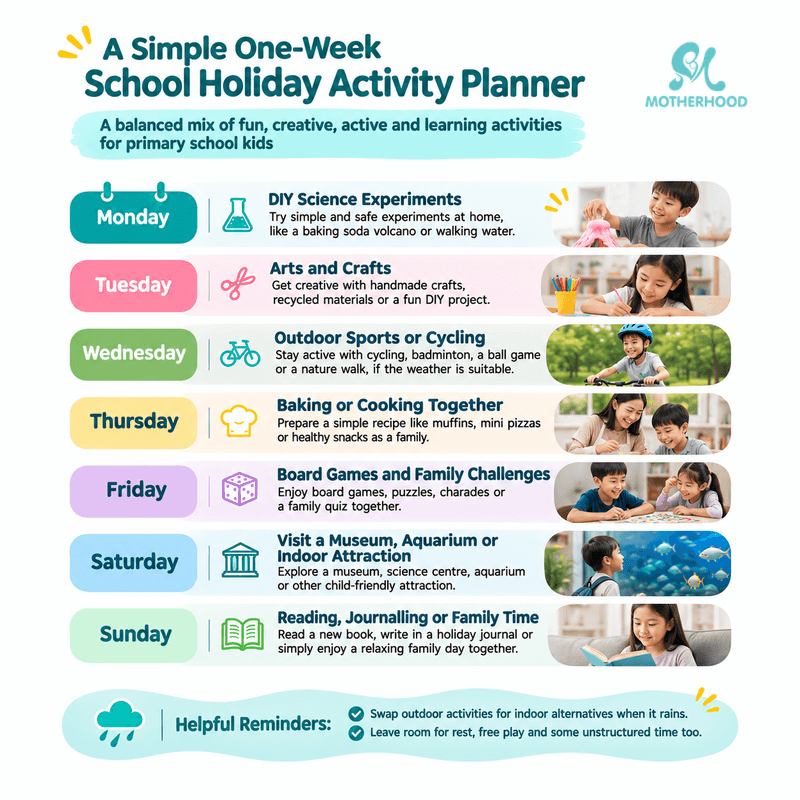
You don’t have to follow the schedule strictly. Swap activities around depending on your children’s interests, your availability and the weather.
You can also leave a few days completely free so everyone has time to rest.
How Much Screen Time Should Children Have During the School Holidays?
With more free time during the holidays, children may naturally spend longer watching videos, playing games or using digital devices.
Rather than banning screens completely, parents can establish a balanced routine that includes both digital and offline activities.
Here are some practical ways to manage screen time:
- Agree on screen-time rules: Set reasonable daily limits that work for your child’s age and family routine.
- Encourage breaks: Remind children to take regular breaks from screens.
- Offer alternatives: Suggest outdoor play, reading, crafts, board games or other activities.
- Choose age-appropriate content: Check what your children are watching or playing.
- Make time for family activities: Plan activities where everyone can participate without using devices.
The goal is to help children enjoy their digital interests while making room for other experiences during the school break.
Frequently Asked Questions About the December School Holidays
1. When Do the December 2026 School Holidays Start in Malaysia?
According to the Ministry of Education Malaysia, the year-end school holidays begin on 4 December 2026 for Group A states (Kedah, Kelantan and Terengganu) and 5 December 2026 for Group B states. Both groups have holidays until 31 December 2026.
2. What Are Some Fun Activities for Primary School Children During the School Holidays?
Primary school children can enjoy activities such as science experiments, arts and crafts, treasure hunts, board games, baking, outdoor sports, reading challenges and visits to museums or indoor attractions.
3. What Can Children Do at Home During Rainy Days?
There are plenty of indoor activities to try, including DIY science experiments, treasure hunts, arts and crafts, board games, baking, reading and creative writing challenges.
4. How Can I Keep My Children Busy During the School Holidays Without Spending Too Much?
Try free or low-cost activities such as home-based science experiments, recycled-material crafts, family games, reading challenges and simple cooking projects. You can also alternate these with occasional paid outings.
5. Should Children Continue Learning During the School Holidays?
Children don’t need to follow a strict academic schedule throughout the holidays. However, enjoyable learning activities such as reading, cooking, science experiments and creative projects can help them continue developing useful skills while having fun.
Make This School Holiday a Meaningful One

The December school holidays are a chance for children to take a break from their usual routines, explore new interests and spend more quality time with the people they love.
You don’t need to plan something elaborate every day. Sometimes, a simple afternoon baking together, a family board game or a little outdoor adventure can become a memorable holiday experience.
So, involve your children in planning, let them try something new and give them enough room to enjoy their well-deserved break.
After all, the best school holidays aren’t necessarily the busiest ones. They’re the ones filled with happy memories, new discoveries and meaningful family moments.
Stay Connected with Motherhood!
Get helpful parenting tips, expert advice, pregnancy updates, family news and more, delivered straight to your WhatsApp.

Join our community and stay informed throughout your parenting journey. Follow Motherhood’s WhatsApp Channel and Facebook Channel now!
Disclaimer: The information provided in this article is for informational purposes only and should not be considered as medical advice from Motherhood. For any health-related concerns, it is advisable to consult with a qualified healthcare professional or medical practitioner.
For more insightful stories and fun recipes, stay tuned to Motherhood Story!
