There’s a phrase you’ve probably heard at family gatherings or school events directed at chubby little children: “Aww, so cute!”.
Those round cheeks, pudgy knees, and the jolly wobble when they walk. It tugs at the heartstrings, doesn’t it?
But what if that well-meaning compliment masks a very serious health issue? Because childhood obesity isn’t about adorable chubbiness.
It’s a growing health concern with long-term consequences for our kids’ futures and wellbeing.
In this editorial, we’re going to gently but frankly unpick why celebrating excess weight as “cute” might be doing more harm than good.
It’s about understanding what’s going on beneath the surface and why we, as parents, carers and communities, need to take childhood obesity seriously.
Not as a passing phase but as a real health challenge.
A Health Issue Disguised as Innocence

For generations, a chubby child was taken as a sign of good health or prosperity. But that old-school thinking doesn’t stand up to modern medical evidence.
Doctors and endocrinologists are now clear: children living with obesity are at risk of developing serious diseases well before adulthood.
These include Type 2 diabetes, high blood pressure, high cholesterol, fatty liver disease, respiratory problems and even some cancers later in life.
One of the tricky things about childhood obesity is perception. Some parents may simply not recognise when their child’s weight is outside a healthy range. Because, sadly, that range has shifted for many people.
Studies and healthcare professionals report that a significant number of parents view overweight children as “normal”, especially if they themselves are overweight or obese.
This blur in perception can delay early intervention and make it harder to act when it truly matters.
The Real Risks Behind the Smile
Here’s the difficult truth: extra weight in children isn’t just a cosmetic issue.
It’s linked to a cluster of metabolic problems that were once reserved for adults.
Children who live with obesity are increasingly being diagnosed with Type 2 diabetes – sometimes as young as eight years old – a condition that used to occur mainly in middle age.
And the effects don’t stop at physical health. Obesity can have profound mental and emotional impacts.
Children may experience low self-esteem, shame, anxiety, bullying and social isolation tied directly to how others perceive their size. That doesn’t just affect school performance – it can shape how they feel about themselves for years to come.
So when we casually say “cute” about a child’s weight, we might be overlooking the emotional and psychological toll that excess weight can bring.
What feels like an innocent compliment might contribute to a sense of normalcy around what is actually a serious health condition.
Why the Rise in Childhood Obesity?

There’s no single cause of childhood obesity. Instead, it’s a blend of environment, behaviour, biology and society.
Sedentary lifestyles – think more screen time and less outdoor play – play a big part. So does easy access to high-calorie, processed foods and sugary drinks.
Food marketing doesn’t help. Bright, colourful adverts for chips, fizzy drinks and fast food are everywhere, often targeting the very children we want to protect.
Combined with busy family lives and the convenience culture of “grab and go” meals, it’s easy for poor eating habits to slip in unnoticed.
Genetics also has a role. Children with parents who are overweight or obese have a significantly higher risk of becoming overweight themselves.
But that’s not destiny – lifestyle, behaviour, environment and community support can influence outcomes for the better.
Changing the Conversation
So how do we shift from cute to conscious?
Firstly, awareness and honesty matter. Recognising that childhood obesity is a serious health condition – not just “baby fat” – is a critical first step.
Healthcare professionals are increasingly urging parents not to normalise excess weight but to see it for what it truly is: a risk factor for long-term illness that deserves proactive care.
Routine growth monitoring and regular consultations with paediatricians can help families understand their child’s health in context.
Tools like BMI (Body Mass Index) charts are not perfect, but they do offer an objective way to start conversations.
Education also plays a big role. Learning about balanced nutrition, portion sizes, the importance of fruit and vegetables, and how to read food labels equips families to make healthier choices.
Encouraging active play – whether it’s cycling, running around the park or a family badminton session – helps build habits that benefit both body and mind.
Support, Not Shame
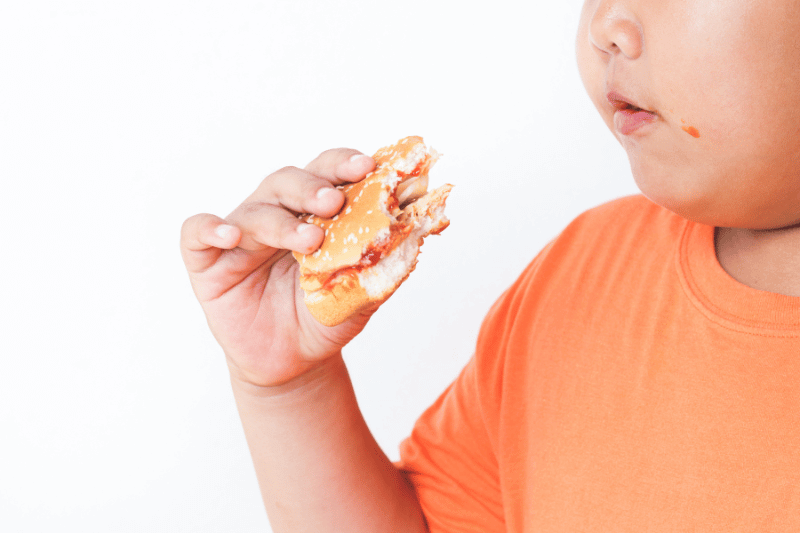
An important point here: addressing childhood obesity shouldn’t be about shaming children or parents. It’s about support.
Many families want to do the right thing but struggle with time, resources, knowledge or confidence.
Blame (whether from others or ourselves) won’t help. Compassion, encouragement and good information will.
Schools, too, have a part to play. Initiatives that promote physical activity, limit sugary snacks and provide nutrition education can help children make healthier choices during the school day and beyond.
Community programmes that involve both parents and children offer a positive way to build healthy habits together rather than in isolation.
A Call to Take It Seriously
In a world where waistlines have widened, it can be tempting to romanticise a bit of “baby fat”, just as we once did.
But childhood obesity isn’t a laughing matter or a harmless quirk of growing up. It’s a serious health challenge that carries risks far beyond the playground.
Let’s swap “cute” for conscious. Let’s normalise healthy behaviours and support one another in making choices that strengthen both body and mind.
Because healthy kids are not just cute – they’re resilient, confident and set up for a future where they can thrive.
Disclaimer: The information provided in this article is for informational purposes only and should not be considered as medical advice from Motherhood. For any health-related concerns, it is advisable to consult with a qualified healthcare professional or medical practitioner.
For more insightful stories and fun recipes, stay tuned to Motherhood Story!