
Pregnancy is a beautiful phase in a woman’s life, but it can also be a challenging one.
It is a time of significant physical and emotional changes, and it is crucial to take care of your mental health as well as your physical health.
Your body is being flooded with hormones, which can alter your brain chemistry. Some of these changes can be positive, but some can also have negative side effects.
With the right approach, you can keep your mental health in check while you’re expecting.
Here are five ways to take care of your mental health while you’re pregnant.
5 Ways to Maintain Mental Health When Pregnant
Make Time for Yourself During Pregnancy

Making time for yourself during pregnancy can give you space to rest, recharge and check in with how you are feeling.
One of the most important things you can do to maintain your mental health during pregnancy is to prioritise self-care.
This means making time for activities that make you feel good, such as listening to music, watching a movie, or even just having a bubble bath.
It is essential to listen to your body and give it what it needs, whether that means taking a nap or indulging in your favourite foods. Within moderation, of course.
Stay Active in Ways That Feel Appropriate for You

Staying active during pregnancy can be part of looking after your physical and emotional wellbeing, when appropriate for your pregnancy.
Regular movement, such as walking or pregnancy-appropriate exercise, can be one way to support your overall wellbeing.
Here are some workouts designed especially for pregnant mummies that are safe and productive.
If you are unsure which activities are suitable for you, speak with your healthcare provider.
Talk to Your Doctor About Your Mental Health

If you are struggling with your mental health during pregnancy, speaking with your doctor or another qualified healthcare professional can help you understand your options.
Another key to mental health during pregnancy is to communicate openly with your healthcare provider. This is especially true if it’s your first time being pregnant.
Some pregnancy symptoms may be strange or troubling to you. So talking to a doctor may provide some reassurance.
They can help you understand the physical and emotional changes you are experiencing and provide you with resources and support if you need it.
Regular prenatal appointments can help you stay informed and address any concerns you may have.
Build a Support System During Pregnancy

Having trusted people around you can give you practical and emotional support during pregnancy.
Staying connected with friends and family is so important during pregnancy.
But make sure the people you surround yourself with are positive, happy people. Not judgemental or critical.
Pregnancy can be isolating, and having a support system can make all the difference.
Surround yourself with people who love and care about you, and don’t be afraid to ask for help when you need it.
Whether it’s a listening ear or practical assistance, your loved ones can be a valuable resource.
Find Healthy Ways to Manage Pregnancy Stress
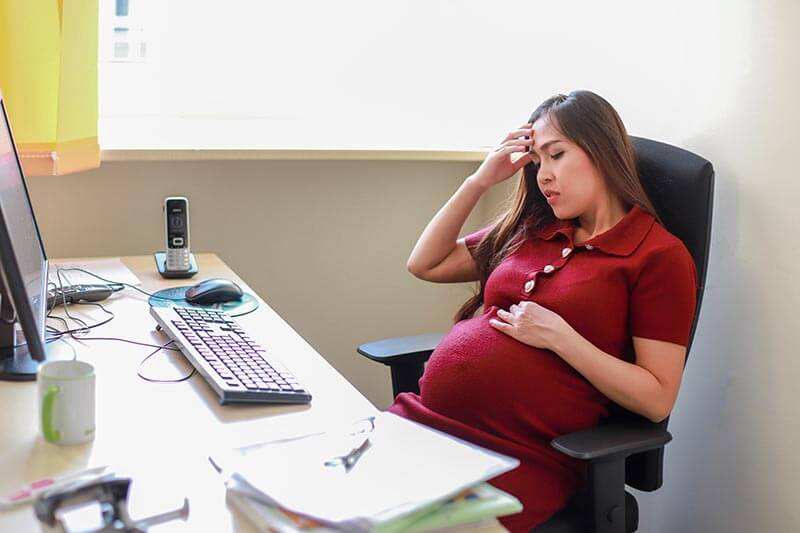
Finding healthy ways to manage stress can help you cope with the emotional demands of pregnancy.
Managing stress is another crucial component of maintaining good mental health during pregnancy.
Pregnancy can be a stressful time, and stress can have negative effects on both you and your baby.
Yoga or deep breathing exercises can help you feel calmer and more centred. But sometimes stress is unavoidable, especially at work.
If your current workplace is giving you more stress than it’s worth, then consider other options, such as being a freelancer, if you’re financially able to do so.
Prepare for the Changes That Come with Pregnancy

Preparing for changes in your routine, body and emotions can help you feel more ready for pregnancy and parenthood.
It is essential to educate yourself about postpartum depression and other mental health issues that can arise after giving birth.
While pregnancy can be a joyous time, it can also be a challenging one, and it is not uncommon for women to experience emotional difficulties after giving birth.
Knowing the signs and symptoms of postpartum depression and other mental health issues can help you get the support you need if you experience them.
Know When to Seek Professional Support

It’s a bit more complicated if you have an underlying mental health condition such as anxiety, depression or psychosis.
If you are already receiving treatment, it’s important to discuss your pregnancy with your healthcare provider.
If you are taking medication for a mental health condition, speak to your doctor before making any changes to your treatment during pregnancy.
Your healthcare provider can help you understand the available options and consider what is appropriate for you and your baby.
You may also benefit from talking to a mental health professional, joining a support group or reaching out to people you trust. The right support will depend on your individual circumstances.
If you feel that your mental health is becoming difficult to manage, don’t hesitate to seek professional help.
Have a Happy Pregnancy

Keeping your mental health in check during pregnancy is essential for both you and your baby’s wellbeing.
Prioritising self-care, managing stress, and educating yourself about postpartum depression and other mental health issues can help you maintain good mental health during this exciting and challenging time.
Remember, pregnancy is a journey, and it is okay to ask for help along the way.
Disclaimer: The information provided in this article is for informational purposes only and should not be considered as medical advice from Motherhood. For any health-related concerns, it is advisable to consult with a qualified healthcare professional or medical practitioner.
For more insightful stories and fun recipes, stay tuned to Motherhood Story!