
Malaysia’s monsoon season can bring prolonged heavy rain, flash floods and unexpected disruptions to everyday family life. For parents with babies and young children, preparing ahead is especially important, as little ones depend on adults for their food, hygiene, medication and safety.
The 2026/2027 Northeast Monsoon is ongoing and expected to continue until March 2027. According to the Malaysian Meteorological Department (MetMalaysia), three to five episodes of continuous heavy rain are expected during the initial phase, between November 2026 and January 2027. These conditions could increase the risk of flooding, particularly in low-lying areas and locations near rivers.
For families with babies, toddlers and young children, a little preparation can make a big difference. Whether you are expecting a baby, caring for a newborn or raising an active toddler, here’s how to prepare your family for the monsoon season and what to do if flooding affects your area.
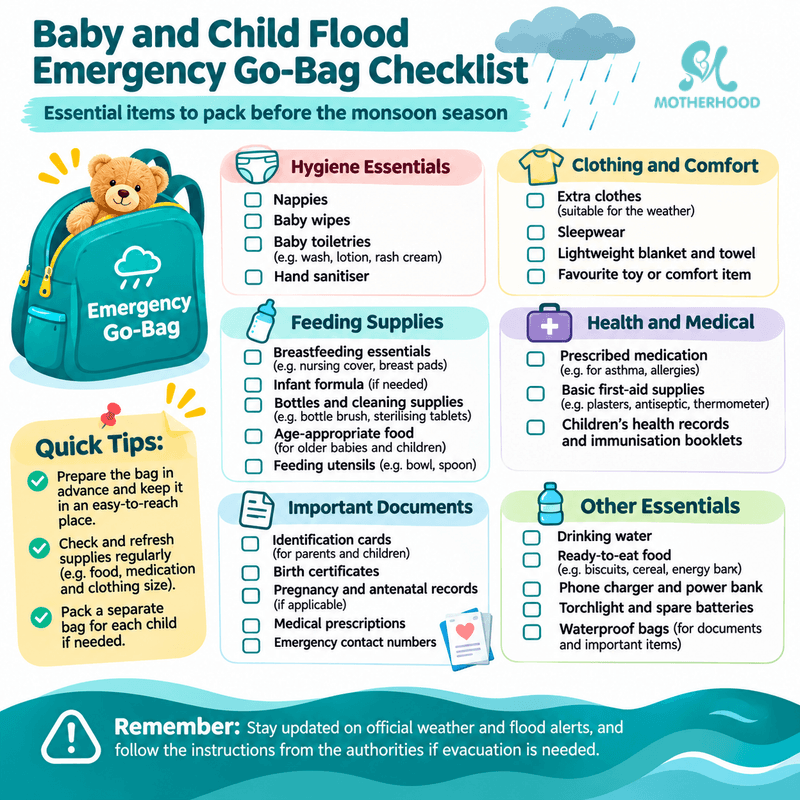
1. Prepare an Emergency Go-Bag for Your Family
When flooding happens, families may have little time to gather their belongings before evacuation. Having an emergency bag ready can make the process less stressful, particularly when travelling with babies and young children.
Ideally, prepare a separate bag for your child’s essentials so you can find everything quickly.
Baby and toddler essentials:
- Nappies and baby wipes.
- Extra clothing, including sleepwear.
- Lightweight blankets and towels.
- Feeding equipment and age-appropriate feeding supplies.
- Bottles and cleaning supplies, where applicable.
- Baby toiletries and skincare essentials.
- Prescribed medication and relevant medical supplies.
- Comfort items such as a favourite small toy or blanket.
Important family documents and supplies:
- Identification cards and birth certificates.
- Pregnancy and antenatal records, where applicable.
- Children’s health records and immunisation booklets.
- Medical prescriptions and emergency contact numbers.
- Drinking water and suitable ready-to-eat food.
- Phone chargers and a power bank.
- Torchlight and spare batteries.
- Basic first-aid supplies.
Keep important documents in waterproof bags or protective folders. Store the emergency bag somewhere accessible rather than in a location that may become difficult to reach during flooding.
2. Make Sure You Have Your Baby’s Feeding Essentials
Feeding arrangements require extra consideration when caring for an infant during an emergency.
For breastfeeding mothers, consider the practical arrangements needed to continue breastfeeding if you have to evacuate. Pack any necessary nursing supplies and discuss possible arrangements with healthcare personnel if you anticipate staying at an evacuation centre.
For parents who formula-feed, prepare the feeding supplies needed for your baby’s usual routine. This may include formula, bottles and appropriate cleaning equipment.
Access to clean water, safe food preparation and hygienic equipment can become more challenging during floods. Follow healthcare professionals’ advice on preparing and handling infant feeds safely in emergency conditions.
For older babies who have started solids, pack suitable food and feeding utensils according to their usual developmental stage.
Avoid making sudden changes to your baby’s feeding arrangements without appropriate healthcare advice. If you are unsure how to maintain safe feeding practices during evacuation, speak to your healthcare provider.
3. Pregnant Mums Should Prepare Their Medical Essentials Too
Pregnant women may need additional support during floods, especially if they require regular antenatal appointments or have pregnancy-related medical needs.

If you are pregnant, prepare a separate pouch containing:
- Your antenatal record book.
- Identification documents.
- Details of your pregnancy and any relevant medical conditions.
- Prescribed medication and supplements.
- Contact details for your maternity hospital or clinic.
- Essential personal hygiene items.
- Comfortable clothing and sanitary supplies.
If you live in an area prone to flooding, discuss your emergency arrangements with your healthcare provider beforehand.
Know which hospital or healthcare facility you should contact if you need medical assistance. If your antenatal appointment is affected by flooding, contact your clinic to arrange appropriate advice or a new appointment.
Do not wait for the weather to improve if you experience a pregnancy-related emergency. Contact your maternity unit or seek urgent medical attention.
4. Know What to Do If You Receive a Flood Warning
When heavy rain continues, stay alert to weather updates and official warnings, particularly if you live near rivers, low-lying areas or locations that have flooded previously.
Parents should:
- Monitor official weather and flood announcements through MetMalaysia and its myCuaca mobile application.
- Keep mobile phones charged and emergency contacts accessible.
- Know the nearest designated evacuation centre (Pusat Pemindahan Sementara or PPS).
- Plan an evacuation route that avoids flood-prone roads.
- Move essential belongings and your emergency bag to an accessible location.
- Arrange transport for family members who may need assistance.
If authorities instruct your family to evacuate, follow their instructions promptly.
According to the National Disaster Management Agency (NADMA), families should avoid crossing flooded roads, keep children away from floodwater and stay clear of electrical cables that have fallen into water.
Avoid waiting until floodwater enters your home before deciding what to do. It may become much harder to leave safely once roads are submerged.
5. Keep Babies and Children Away from Floodwater
Children may be curious about floodwater, especially when they see water collecting around their homes or neighbourhoods.
However, floodwater can contain sewage, chemicals, rubbish and harmful microorganisms. Even water that looks relatively clean may be contaminated.
Never allow children to play, swim or walk through floodwater.
Parents should also avoid:
- Allowing children to touch objects that have been submerged in floodwater.
- Letting children play near drains, rivers or overflowing waterways.
- Walking through flooded areas while carrying a child if a safer route is available.
- Driving through flooded roads with children inside the vehicle.
The Ministry of Health Malaysia (KKM) advises the public to stay away from flooded areas, follow evacuation instructions and seek medical treatment if symptoms such as diarrhoea and vomiting develop.
If evacuation is necessary, go to the designated relief centre and follow instructions from the authorities.
6. Take Extra Care of Your Child’s Hygiene at an Evacuation Centre
Temporary evacuation centres can be crowded, and families may have limited access to their usual facilities.
Babies and young children may need additional attention when it comes to hygiene, particularly during prolonged stays.
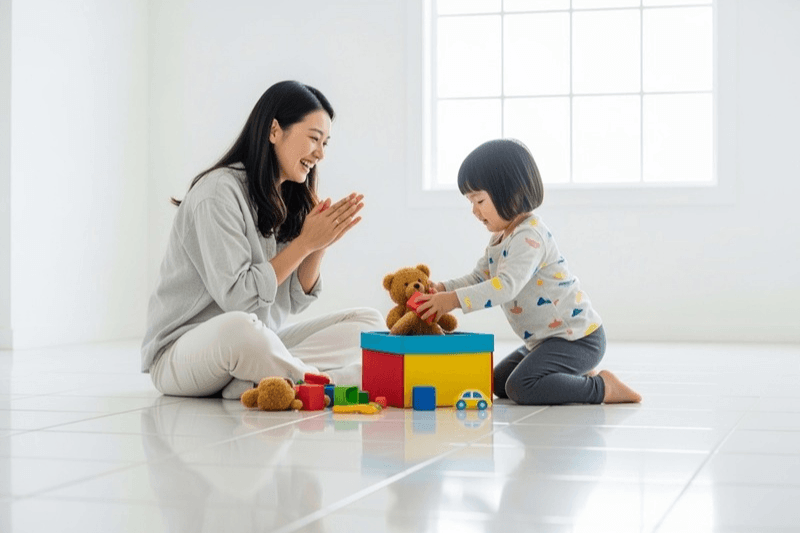
A few practical steps can help:
- Wash your hands with clean water and soap before preparing food or feeding your child.
- Change nappies in designated or suitable hygienic areas.
- Dispose of used nappies properly.
- Keep your child’s drinking water and feeding equipment clean.
- Avoid sharing personal hygiene items.
- Keep your child’s clothing and bedding as clean and dry as possible.
The KKM’s flood health-care guidance also recommends drinking boiled water, eating properly cooked food and maintaining good personal hygiene while staying at evacuation centres.
If your child develops symptoms such as fever, vomiting or diarrhoea, inform healthcare personnel at the evacuation centre or seek medical attention.
Do not assume that these symptoms are simply caused by changes in routine or the unfamiliar environment.
7. Watch for Signs of Illness After a Flood
Flood exposure can increase the risk of several illnesses, including diarrhoea, food poisoning and infections associated with contaminated water.
One condition parents should be aware of is leptospirosis, commonly known as rat urine disease. It can spread through contact with water or soil contaminated by infected animal urine.
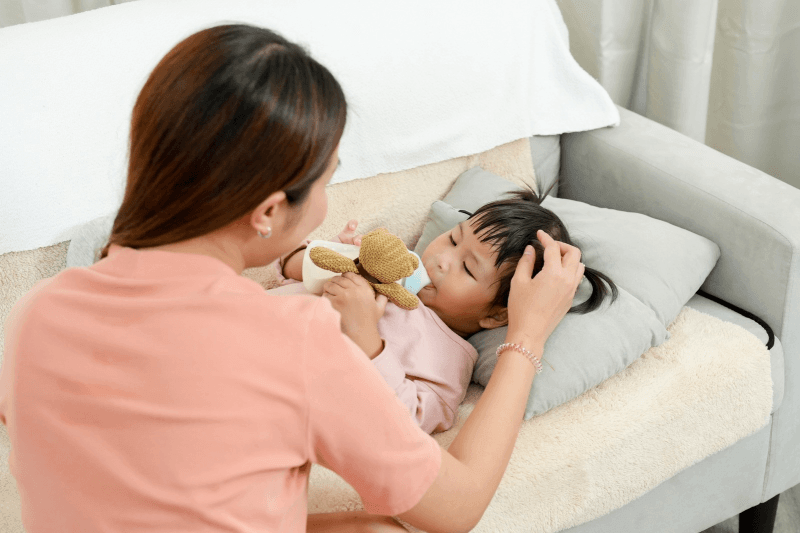
The KKM advises the public to avoid playing in floodwater and to practise good hygiene to reduce the risk of water- and food-borne illnesses.
For parents, this means paying attention to changes in your child’s health even after your family has returned home.
Watch for symptoms such as:
- Fever.
- Vomiting or diarrhoea.
- Unusual tiredness or weakness.
- Muscle pain.
- Persistent coughing or breathing difficulties.
- Signs of dehydration, such as reduced urination, dry mouth or unusual drowsiness.
Seek medical attention promptly if your child becomes unwell, particularly if they are very young or have been exposed to potentially contaminated floodwater.
For babies, do not delay seeking medical assessment if you notice concerning symptoms or changes in feeding, alertness or wet nappies.
8. Help Your Child Feel Safe During an Emergency
Floods can be frightening for young children, especially when they have to leave their homes, sleep somewhere unfamiliar or spend time away from their usual belongings.
Even toddlers who do not fully understand what is happening may pick up on their parents’ stress.
Try to:
- Explain what is happening using simple, age-appropriate language.
- Reassure your child that you are staying together and keeping them safe.
- Bring a familiar toy, blanket or comfort item.
- Maintain familiar routines where possible, including feeding and bedtime.
- Allow your child to express their feelings without dismissing their fears.
You do not need to explain every detail of the situation. Simple reassurance and a familiar presence can help children feel more secure.
Frequently Asked Questions About Monsoon and Flood Safety for Families
When Does the Monsoon Season Start in Malaysia in 2026?
The 2026/2027 Northeast Monsoon began on 27 October 2026 and is expected to continue until March 2027. During this period, prolonged heavy rainfall may increase the risk of flooding in susceptible areas.
What Should I Pack in a Baby’s Emergency Bag for a Flood?
Pack sufficient nappies, wipes, clothing, feeding supplies, toiletries, prescribed medication, health records and comfort items. Keep important documents in waterproof storage and make sure the bag is easy to carry.
Is It Safe for Children to Play in Floodwater?
No. Floodwater may contain sewage, chemicals, rubbish and harmful microorganisms. Keep children away from floodwater, drains and flooded roads.
What Illnesses Should Parents Watch for After a Flood?
Parents should watch for symptoms such as fever, vomiting, diarrhoea and muscle pain, which may be associated with flood-related illnesses. Seek medical attention if your child develops symptoms after floodwater exposure.
What Should Pregnant Women Prepare Before a Flood?
Pregnant women should prepare their antenatal records, identification documents, prescribed medication, supplements and healthcare contact details. They should also know where to seek maternity care if evacuation becomes necessary.
Be Prepared Before the Rain Gets Worse
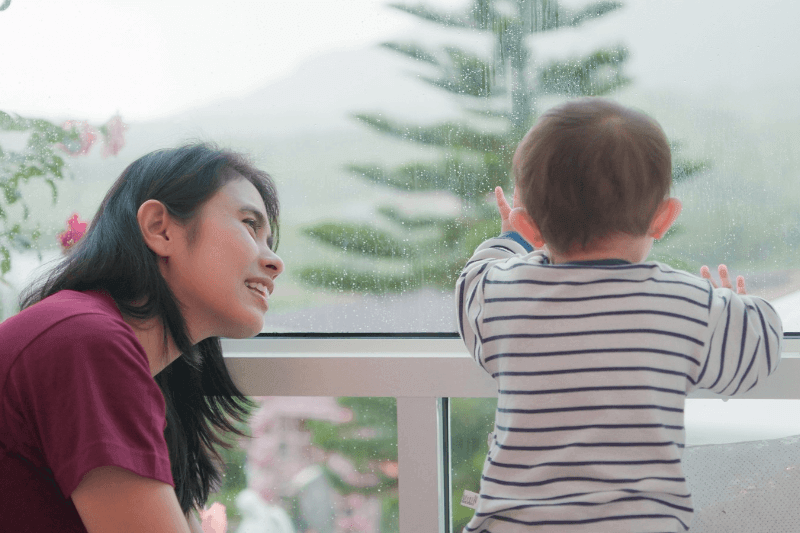
Monsoon season can be unpredictable, but preparing early can make a significant difference when your family needs to respond quickly.
Keep your emergency bag ready, stay updated on official weather and flood warnings, and make sure everyone in your household knows what to do if evacuation becomes necessary.
Most importantly, prioritise the safety of your children and do not take unnecessary risks around floodwater.
A little preparation today can help your family navigate an emergency more safely tomorrow.
Stay Connected with Motherhood!
Get helpful parenting tips, expert advice, pregnancy updates, family news and more, delivered straight to your WhatsApp.

Join our community and stay informed throughout your parenting journey. Follow Motherhood’s WhatsApp Channel and Facebook Channel now!
Disclaimer: The information provided in this article is for informational purposes only and should not be considered as medical advice from Motherhood. For any health-related concerns, it is advisable to consult with a qualified healthcare professional or medical practitioner.
For more insightful stories and fun recipes, stay tuned to Motherhood Story!