Most parents know the usual baby cough-and-cold routine all too well.
The runny nose starts. Then comes the little cough, the blocked nose, and the restless sleep, and suddenly you are wondering, “Is this just another cold, or should I be worried?”
That is what makes Respiratory Syncytial Virus, or RSV, so confusing for many parents. At the beginning, it can look very ordinary. Sometimes, it may seem like nothing more than a mild cold.
However, RSV is not always something parents should brush off, especially when it involves babies under one year old.
In our latest episode of AskMeDoctor! by Motherhood.com.my, we spoke to Dr Rakhee Yadav, Consultant Paediatrician at KPJ Damansara Specialist Hospital, about the things parents may not realise about RSV.
From why healthy babies can still be affected to why early protection matters, this episode gives parents a clearer idea of what to watch for and when to speak to a paediatrician.
Q1: My baby is healthy, so RSV should not be a concern, right?

Dr Rakhee Yadav: Yes, parents should still be aware of RSV, even if their baby is healthy.
This is a very common misconception. RSV does not only affect babies who are born prematurely or babies with existing health conditions. Many RSV-related hospitalisations happen in full-term, otherwise healthy infants too.
The challenge with RSV is that we cannot always predict which baby will develop serious complications. Any baby can be at risk.
RSV is also one of the most commonly identified respiratory viruses in babies aged six months and below. This applies to all infants, not only those considered high risk.
That is why early awareness, preventive steps, and conversations with your paediatrician are important. Protecting your baby is not only for high-risk children. It is something every parent should think about.
Q2: If RSV looks like a cold, can parents wait it out?
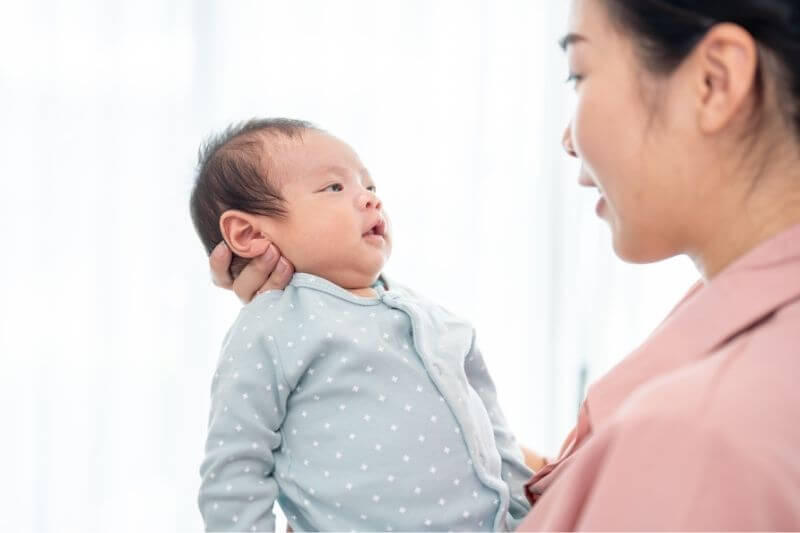
Dr Rakhee Yadav: RSV often starts with mild symptoms, just like many other respiratory infections.
A baby may have a little cough, a runny nose, or some congestion. Because of this, it is easy for parents to think their baby will recover on their own.
However, in infants, especially babies under one year old, things can worsen quickly. Breathing can become harder. Feeding may be affected. The illness can also progress over just a few days.
This is why parents should monitor their baby closely.
If your baby seems to be breathing faster, struggling to feed, becoming unusually sleepy, or simply does not seem like themselves, it is best to seek medical advice early.
Currently, there is no specific antiviral treatment for RSV. This makes prevention very important.
Simple hygiene habits, limiting exposure to unwell people, and discussing preventive options with your paediatrician can help reduce the risk of severe illness.
Q3: Is my newborn too young for RSV prevention?

Dr Rakhee Yadav: It is understandable for parents to think that way, especially when their baby is still very young.
However, the youngest infants are actually among the most vulnerable to RSV.
Babies’ immune systems are still developing. Their airways are also very small. This means even a mild infection can sometimes become serious.
At this age, babies have not yet built up enough of their own antibodies to protect themselves effectively against RSV.
Because RSV can happen unexpectedly, it is important to think about protection from birth.
Preventive options, such as maternal vaccination or monoclonal antibody immunisation for infants, may help provide early protection. These options can reduce the risk of severe illness and hospitalisation during the first few months of life.
Parents should speak to their paediatrician to understand what may be suitable for their baby.
Q4: If my baby gets RSV once, are they protected after that?

Dr Rakhee Yadav: Unfortunately, no.
Infants can get RSV more than once because there are multiple strains of the virus.
Sometimes, repeat infections may be milder. However, the first year of life is still the most vulnerable period.
This is why prevention remains important, even if a baby has had RSV before. Protecting your baby early, before symptoms appear, can help reduce the risk of severe illness during this critical stage.
Parents should continue practising good hygiene, limiting exposure when possible, and seeking medical advice when symptoms are concerning.
Q5: Can RSV affect a child’s lungs as they grow?
Dr Rakhee Yadav: RSV can sometimes have effects beyond the immediate illness.
For some babies, especially those who experience more severe RSV infections, there may be a longer-term impact on lung health and development.
Research has shown that children who had severe RSV infections may be more likely to experience recurrent wheezing or develop asthma as they grow older.
This can sound worrying for parents. However, it is also a reminder of why early protection matters.
Preventive measures, including immunisation options, can help reduce the risk of severe RSV infection in the first place.
By protecting your baby early, you are not only helping them get through an illness safely. You may also be supporting healthier lung development and lowering the risk of respiratory issues later in life.
Helping Parents Stay One Step Ahead of RSV
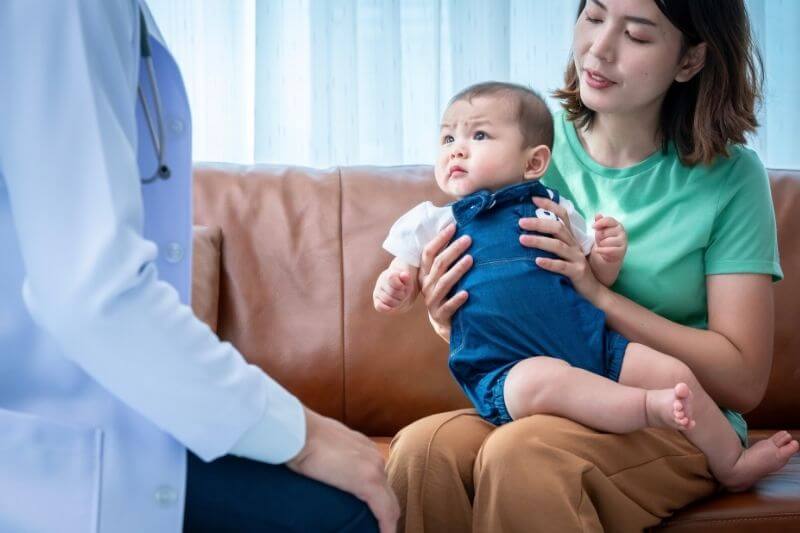
For parents reading this, one important takeaway is this: RSV is common, it spreads easily, and it can affect all babies.
It may begin like a normal cold, but parents should still pay close attention, especially when caring for infants under one.
Trust your instincts as a parent, but also lean on trusted medical advice. Simple hygiene practices can help, and understanding preventive options early may support better protection when it matters most.
Protect your baby directly against RSV. Speak to your paediatrician or other healthcare providers about infant immunisation with long-acting monoclonal antibodies. Visit TogetherAgainstRSV.my to learn more.
MAT-MY-2600128-1.0-04/2026
Disclaimer: The information provided in this article is for informational purposes only and should not be considered as medical advice from Motherhood. For any health-related concerns, it is advisable to consult with a qualified healthcare professional or medical practitioner.
For more insightful stories and fun recipes, stay tuned to Motherhood Story!