Talk about discipline in school, and it’s easy for conversations to veer into nostalgia – stories of stern headmasters, strict routines, and, yes, the infamous rotan.
But today’s debate in Malaysia isn’t about remembering school days.
It’s about figuring out whether traditional punishment – especially caning – still has a place in our classrooms, and if so, how far is too far?
This is an important discussion for parents, educators and anyone invested in the holistic wellbeing of our children.
In recent months, calls to reinstate caning in schools have resurfaced in Malaysia.
Many parents and school associations support a controlled return of corporal punishment, insisting that it could help restore discipline amid rising misbehaviour.
But this suggestion has sparked a broader conversation about student welfare, modern educational values and whether such measures really work long-term.
Why Caning Is Back on the Table
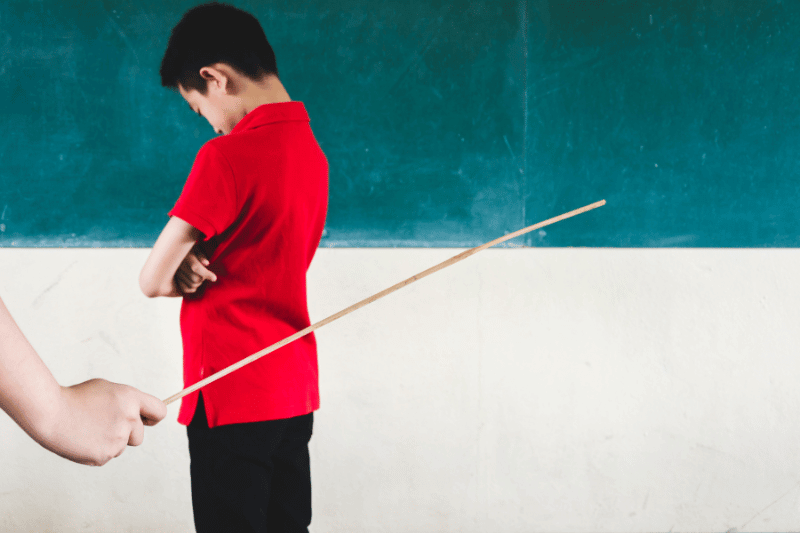
Parents and school leaders across the country have voiced concerns about student behaviour – from disrespect to truancy and bullying.
Some feel that firm consequences are needed to reinforce boundaries.
“Not all students respond to words alone,” one father recently told the media, suggesting that corporal punishment can be a “reminder that every action has consequences”.
These views aren’t fringe. Proposals in Parliament and statements from community leaders have reignited the idea that caning might help manage disciplinary problems that are seen as increasingly complex in the digital age.
Proponents argue that with clear guidelines – specifying who may administer caning, where it can be applied, and under what conditions – the practice could be a structured tool rather than arbitrary punishment.
Even national leaders have weighed in.
The Prime Minister has expressed personal support for the idea of regulated caning if it’s strictly controlled and framed within broader measures to combat bullying and violence.
At the same time, he emphasised the need to listen to human rights perspectives and involve all stakeholders in policy discussions.
From Physical Punishment to Educational Values
If you were in school before caning was phased out, you might recall it as an accepted part of discipline.
But much has changed since then.
Today’s educators and child development specialists are less convinced that physical punishment builds meaningful discipline or moral behaviour.
Critics argue that while corporal punishment might result in short-term compliance, it does little to teach empathy, self-regulation or intrinsic motivation to behave well – qualities that are central to character development.
There’s also a valid concern about safety and misuse.
Even with strict protocols, the risk of emotional harm or physical injury – particularly for younger or vulnerable children – cannot be dismissed.
Critics – including child advocates and some educational researchers – warn that what starts as a controlled measure can sometimes escalate or become inconsistent, especially in high-stress situations.
These debates remind us that discipline isn’t just about consequence.
It’s about guidance – helping young people understand right from wrong, manage their emotions and learn from mistakes without fear or shame.
Restorative practices, counselling, positive reinforcement and parental involvement are all approaches that many believe should be prioritised in modern classrooms.
Balancing Structure with Support
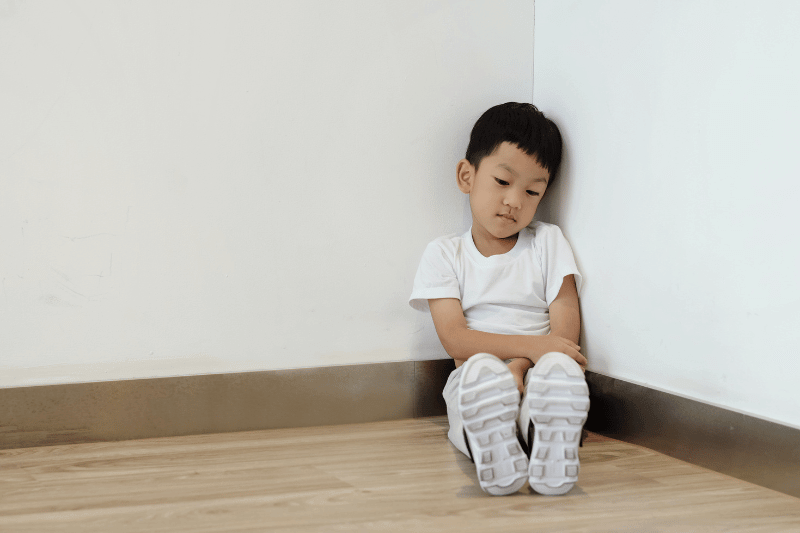
One thing gaining traction is the need for a balanced approach.
While some parents feel that disciplinary standards have weakened over time, others point out that schools can’t solve behaviour issues alone.
Deputy ministers and child welfare advocates have emphasised greater parental involvement in shaping behaviour and addressing root causes like bullying, peer pressure or emotional stress.
This isn’t to say boundaries shouldn’t exist – every learning environment needs expectations and consequences.
But the nature of those consequences matters. Today’s educational discourse increasingly favours disciplinary frameworks that combine clear rules with emotional support systems.
This includes school counsellors, peer mentoring and open dialogue between teachers, parents and students.
What Malaysian Parents Should Think About
As a parent, it’s natural to want your child to behave respectfully and safely in school.
You want classrooms to be spaces of learning, not chaos. At the same time, it’s important to consider whether physical punishment truly teaches the lessons we hope for.
Responsibility, respect for others, and self-discipline. Or is it simply enforcing obedience through fear?
Here are a few questions worth reflecting on.
Does punishment address behaviour or the reasons behind it?
Physical consequences can stop an action, but they don’t necessarily explain why it was harmful or how to choose differently next time.
Are there alternatives that build understanding as well as compliance?
Restorative justice, reflection journals, and guided conversations can help children internalise better choices.
How do discipline measures affect a child’s sense of safety and trust?
School should be a place where children feel secure and supported, even when they make mistakes.
Discipline in the 21st Century: More Than Just Rules
The world outside school is rapidly evolving.
Our kids face challenges we never had – from online interactions to nuanced social pressures.
Discipline, therefore, isn’t just about following rules.
It’s about equipping children with emotional intelligence, moral reasoning and the ability to navigate complex social situations with confidence and empathy.
This broader perspective doesn’t dismiss the need for structure – it invites us to rethink what discipline looks like in a way that respects children’s dignity while still upholding expectations.
Whether caning has a place in this framework remains deeply contested.
What’s clear, though, is that the conversation itself reflects a community wrestling with how best to nurture respectful, resilient young citizens for tomorrow.
That’s a challenge worth engaging in – thoughtfully, compassionately and with a focus on the long-term wellbeing of our children, not just immediate compliance.
Disclaimer: The information provided in this article is for informational purposes only and should not be considered as medical advice from Motherhood. For any health-related concerns, it is advisable to consult with a qualified healthcare professional or medical practitioner.
For more insightful stories and fun recipes, stay tuned to Motherhood Story!